Giraffe Bio wins $6.4M to tailor molecules for copper mining
A new biotech approach claims to boost copper recovery in mining by using custom-designed compounds in the flotation process, backed by a $6.4 million seed round.
Copper supply is expected to lag demand by about 25% by 2040, affecting electronics and infrastructure.
Giraffe Bio designs non-living biomolecules tailored to a mine’s ore profile to improve copper recovery during flotation.
The approach aims to replace some harsh flotation chemicals, potentially reducing environmental impact while raising yield.
Investors back the seed round with Orion Industrial Ventures leading the group, including several other funds and partners.
Quick read · 1 min
Giraffe Bio is developing engineered biomolecules to improve copper recovery during mining's flotation stage. If successful, this could help close a projected copper gap by 2040 and reduce reliance on harsher chemicals. The startup just raised about $6.4 million in seed funding led by Orion Industrial Ventures, with other investors including BHP Ventures and several funds.
What this means for you: copper supply and pricing could stabilize as mines extract more from existing operations. Look for pilots to start this year, with broader adoption tied to results and regulatory approvals.
Giraffe Bio is pursuing a copper-focused biotech path by producing custom molecules that help mining operations pull more copper from ore during the flotation step. Rather than growing live microbes in the field, the company makes specialized compounds that selectively bind to copper minerals, making them easier to separate from the rest of the ore. The idea is that even small gains in recovery can add up when large mines are involved.
Experts project a 25% shortfall between copper supply and demand by 2040, a gap that could ripple through electronics, construction and energy projects. Traditionally, mines try to expand by opening new sites, a costly gamble. This startup argues that tweaking the chemistry inside existing operations could yield more copper without the need for new mines.
01
What sets this apart
Conventional copper recovery relies on general-purpose chemicals. Giraffe Bio says its platform can craft compounds tailored to a mine’s specific ore makeup, enabling more precise binding to copper minerals while leaving other materials behind. By avoiding living organisms in the field, the approach sidesteps the challenges of maintaining biological systems in harsh mining environments.
02
The practical workflow
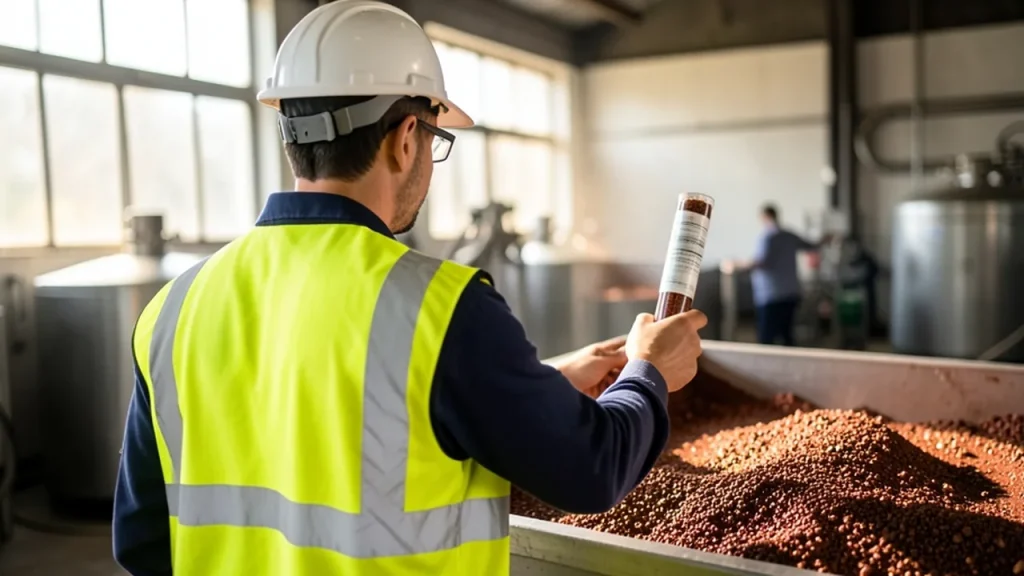
In flotation, chemicals help copper-bearing minerals rise to the surface so operators can collect them. The company’s designed molecules aim to improve that separation by binding more effectively to copper minerals and by creating new depressors that curb unwanted components from getting into the concentrate.
03
Funding signals momentum
Giraffe Bio recently closed a seed round totaling about $6.4 million, led by Orion Industrial Ventures and including participation from BHP Ventures, Twynam, Air Capital, and Baruch Future Ventures. The lineup underscores growing investor interest in applying biotech ideas to heavy industry and metals mining.
04
What this means for everyday people
Direct effects aren’t immediate for consumers, but if pilots prove enduring gains at large copper operations, you could see steadier copper prices and possibly lower costs on copper-based products over time. It also highlights a broader push to make traditional industries greener through biology-inspired technologies.
The company plans real-world pilots to test copper yield improvements in operating mines. If these trials show consistent benefits and safety, wider adoption could follow among major copper producers looking to boost efficiency and cut environmental impact.
06
Quick answers
Which mines might lead the way?
Pilot projects are likely to target large, flotation-heavy copper mines where efficiency gains translate into meaningful output improvements.
Could this replace chemical use?
The goal is to reduce reliance on some traditional flotation chemicals by using targeted biomolecules, potentially cutting environmental footprint.
When could we see scale-up?
If pilots succeed, commercialization would depend on regulatory approvals and the pace of mine adoption.
Mathematicians worry about verification and collaboration as OpenAI releases hundreds of AI-generated results, sparking questions about cryptography and progress.