Getty Images bankruptcy plan seeks to clear debt and go private
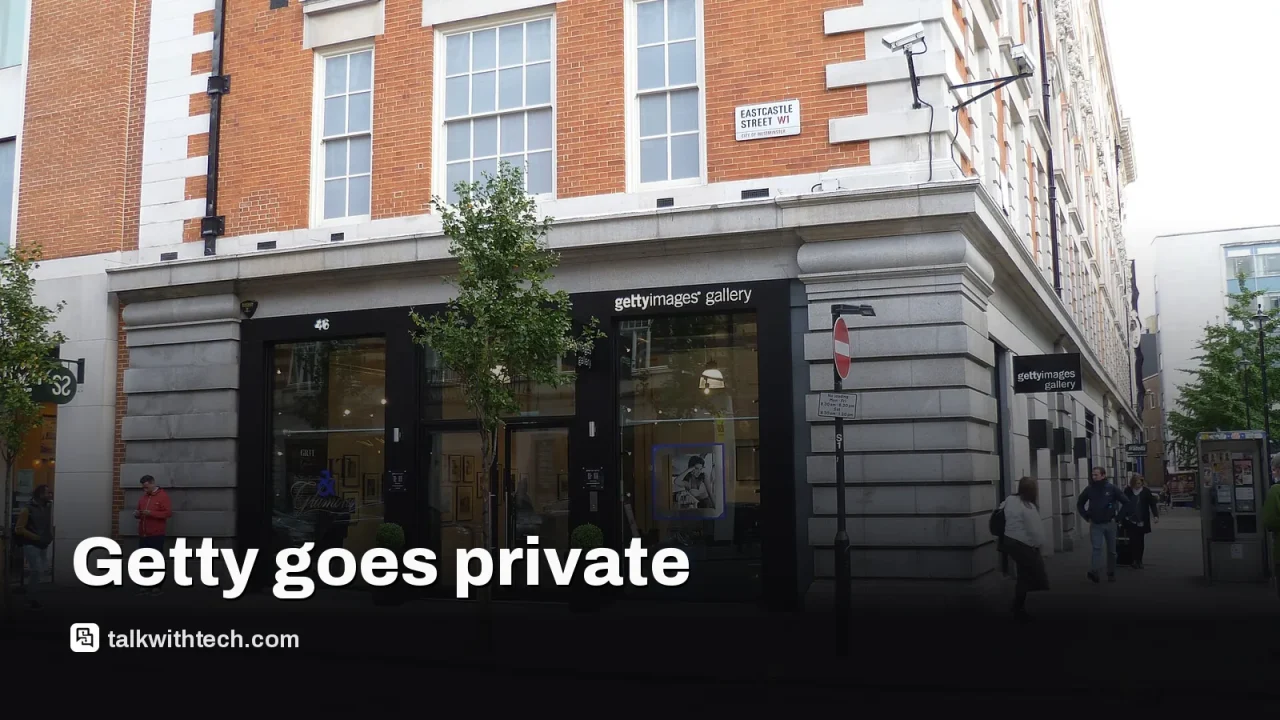
Getty Images will seek bankruptcy protection and shift to private ownership through a debt-cleaning plan after failing to merge with Shutterstock, aiming to wrap up by year’s end.
Getty Images will pursue bankruptcy protection and go private as part of a debt-reduction restructuring after the failed Shutterstock merger.
The plan is backed by the Getty family and Koch Equity Development and aims to finish within the year.
Company officials say day-to-day operations, licensing products, and relationships with contributors and customers should remain stable during the process.
Quick read · 1 min
Getty Images will enter bankruptcy protection and become privately owned as part of a debt-cleaning plan, backed by the Getty family and Koch Equity Development. The goal is to reduce more than $1.3 billion in debt and complete a prepackaged Chapter 11 process by year’s end.
Key points for readers: there should be no immediate changes for content creators or customers, but the restructuring signals a financial reset for a major stock image library amid rising AI-generated image options.
Private ownership backers aim to stabilize the business.
Merger with Shutterstock collapsed earlier this year.
The plan is expected to wrap up by year end.
Getty Images will pursue bankruptcy protection and move to private ownership as part of a debt-cleaning plan after its bid to merge with rival stock platform Shutterstock fell apart earlier this year. The company has secured 533 million dollars in financing from the Getty family and Koch Equity Development to reduce its obligations and proceed with a prepackaged Chapter 11 process in the coming weeks.
Under this arrangement, control would transfer to Getty family affiliates and Koch Equity Development once the restructuring is completed. The company carried more than 1.3 billion dollars in debt as of mid-year filings, and the new financing is meant to steady operations while the debt is worked down. Getty Images also notes that contributors, partners, customers and employees worldwide should see no immediate disruption to everyday workflows during the process.
Earlier this year, Getty abandoned a 3.7 billion dollar merger plan with Shutterstock after UK regulators placed limits on the deal, creating a financial vulnerability for Getty Images. The dynamic has intensified as buyers and licensing markets confront the rise of AI-powered image tools, which can generate visuals without licensing fees. Getty Images operates its own AI tool, but the path forward remains uncertain as the company transitions to private ownership.
As is typical with prepackaged bankruptcies, the goal is to finish the restructuring quickly while limiting disruption to licensing customers and creators who rely on Getty Images for stock photography and related services. If approved, the plan would place the company under the control of its family owners and Koch Equity Development, offering a clearer balance sheet and a path back to growth as the market evolves.
01
What this means for creators, customers and partners
For creators and customers, the central question is whether library access or licensing terms could change. Company officials say there should be no immediate impact on contributors, partners or customers, and that existing licenses and workflows should stay in place while the company reorganizes behind the scenes.
Industry observers will watch how Getty Images balances licensing costs with competition from AI-generated image tools and cheaper stock options. The bottom line is that even large catalogues may use bankruptcy protections to reorganize debt while trying to keep services steady in the short term.
02
Who is backing the plan and why now
Financing comes from the Getty family and Koch Equity Development, the private investment arm of Charles Koch’s group. The arrangement is designed to reduce the debt pile and position Getty Images to emerge from bankruptcy with a clearer path to profitability. Official statements describe the process as a prepackaged Chapter 11, which typically requires creditor approval before a judge signs off on the plan, with a expected wrap-up by year-end.
03
What happens next
The filing is expected in the coming weeks, and the court process will determine creditor repayment and organizational changes. For everyday users, the practical effect will be staying informed about licensing terms and watching for any updates after the reorganization is complete.
Apple inches ahead in a shrinking market, capturing about 22% of worldwide smartphone shipments in Q3 2026 as overall volumes fall to the lowest in years.
3 min read
We use cookies to understand how readers use Talk With Tech, so we can make it better. Is that OK? Privacy policy
The Daily Brief
Today's biggest tech stories, in 5 minutes
Every morning, the news that matters from AI, phones, apps and the people shaping tech. Explained in plain English. Free.
One email a day. No spam, unsubscribe anytime. Privacy policy