Tuesday, 13 October 2026

Samsung smart TV updates last seven years, LG four in 2024+

Longer software support can extend a TV’s life. Here are which brands back their TVs with multi-year updates and why it matters.

webOS, related to: Samsung smart TV updates last seven years, LG four in 2024+
Photo: Henblo / CC BY-SA 4.0 (modified)

The short version

  • Software support for smart TVs varies by brand and model, with some firms pledging several years of updates and security patches.
  • Samsung promises seven years of updates for 2024-and-later TVs running Tizen; LG offers four years for 2022+ webOS models.
  • Region and OS choice matter: VIDAA in Europe can offer longer update windows, while US models may follow Google TV, Android TV, or Roku TV timelines.
  • Longer update commitments can save money and keep apps and security current, but always verify the exact model and region before buying.
Quick read · 2 min

Smart TVs can stay useful longer if the manufacturer continues to push software updates. Samsung promises seven years of updates for 2024-and-later Tizen TVs, and LG guarantees four years for 2022+ webOS models. Sony’s support varies by model, and region can change what you’ll get. VIDAA in Europe is promising up to eight years on certain models, but that level of commitment isn’t universal in the U.S.

For shoppers, the key takeaway is to look beyond price and picture quality. Check the exact update policy for the model year and OS you’re buying, and consider how long you plan to keep the TV. A longer update window can save you a lot of annoyance later on.

  • OS matters: Tizen, webOS, Google TV, and VIDAA all have different update lifespans.
  • Region can shift availability and timing of updates.
  • Ask about major updates and security patches before buying.

If you’re shopping for a new smart TV, one detail to check alongside picture quality and price is how long the TV will keep getting updates. TVs tend to sit in living rooms for years, and manufacturers decide how long they’ll push new features, apps, and security fixes to each model. There isn’t a universal rule, so you’ll want to confirm the exact policy for the model you’re considering.

Here’s what current policies look like from major brands and OS platforms. Timelines can vary by model and region, and not every model gets the same level of commitment. Still, the figures give a useful sense of which TVs are likely to stay usable longer and which might need replacing sooner if you want up-to-date apps and protections.

01

Who offers the longest software support

Samsung has been clear about its update plan for TVs that use the Linux-based Tizen OS. For models from 2024 and newer, Samsung promises seven years of software updates. The commitment also covers some 2023 models. In practical terms, a 2024 Samsung TV should receive apps and firmware updates through at least 2031.

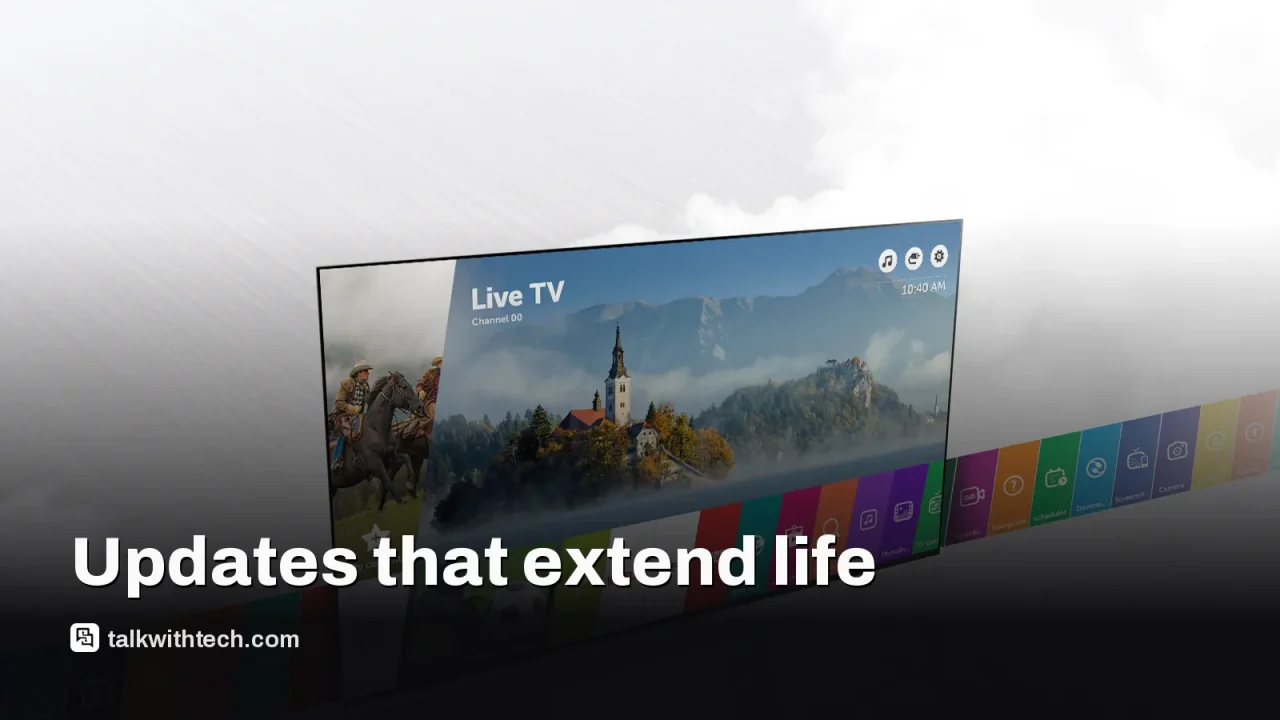
LG also leans toward long-term support with its webOS Re:New program, which guarantees four years of updates for TVs from 2022 onward. There’s typically about a one-year delay before an older model gets the newest webOS release that ships with the latest TVs.

Sony takes a more model-based approach. End dates aren’t a single fixed window across the lineup; some models carry security updates for longer than others. Most Sony Bravia TVs released after 2021 run Google TV, while earlier ones used Android TV.

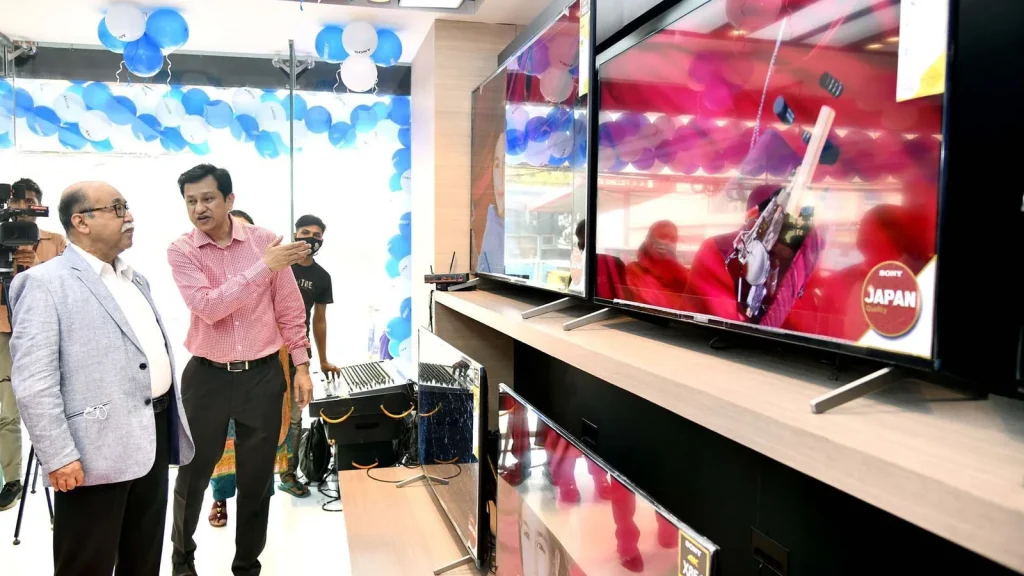
Smart TV on a showroom floor showing a home screen
02

Region and OS choices matter

Update timelines aren’t identical around the world. In Europe, Hisense models with VIDAA OS have pledged support for up to eight years on certain models, though that level of commitment isn’t always mirrored in the U.S. where many TVs run Google TV, Android TV, or Roku TV.

Roku’s own TVs are newer and still early in their update journey, so there isn’t a long, established pattern yet. The company also doesn’t publish fixed end-of-life dates for its streaming boxes. Budget brands like Vizio and Insignia each use different OS platforms (Vizio’s OS and Fire OS, respectively), and they continue pushing updates, though they don’t offer the same multi-year guarantees as Samsung or LG.
03

Why this matters for everyday people

More update years mean fewer reasons to replace a TV just to keep apps current or stay protected against security flaws. If you rely on streaming apps, voice controls, or smart home features, a longer update window helps keep things working smoothly for longer. But not every model within a brand has the same guarantee, so check the exact model-year policy and your region before buying.

In short, don’t assume all TVs from a brand come with the same promise. The OS and the model year determine how long updates arrive, and the regional market can shift the timing as well.

04

What to do before you buy

Here are practical steps you can take now:

  • Identify the OS on the model you’re considering (for example, Tizen, webOS, Google TV, VIDAA) and look up the specific update policy for that model year.
  • Ask whether the policy covers major software updates as well as security patches, and note any regional caveats.
  • Think about how long you expect to keep the TV and whether you’re comfortable with potential updates ending sooner on certain models.
05

Quick answers

Which brands offer the longest guarantees?

Samsung and LG are among the brands with explicit multi-year promises for newer TVs, while Sony’s policy varies by model, with security updates lasting longer on some models.

Does region affect updates?

Yes. OS choices and model-year policies differ by country, so what you get in Europe may not line up exactly with the U.S. depending on the model.

You're reading the quick version.