BOE glass cracking OLED iPad lines risk delays into 2027
Persistent glass breakages at BOE’s Chengdu facility threaten iPad OLED production, potentially reshaping supply timing for Apple through next year.
Talk With Tech Newsroom
The short version
BOE’s 8.6-generation OLED line at Chengdu’s B16 plant experiences ongoing glass breakage for about six months.
Incidents disrupt production and can halt equipment for hours, risking delays to iPad OLED panel orders.
Apple has historically relied on multiple suppliers for iPad OLEDs, adjusting its mix when BOE runs into trouble.
The issue could influence the timing and availability of future iPad models with OLED displays if it continues.
Quick read · 1 min
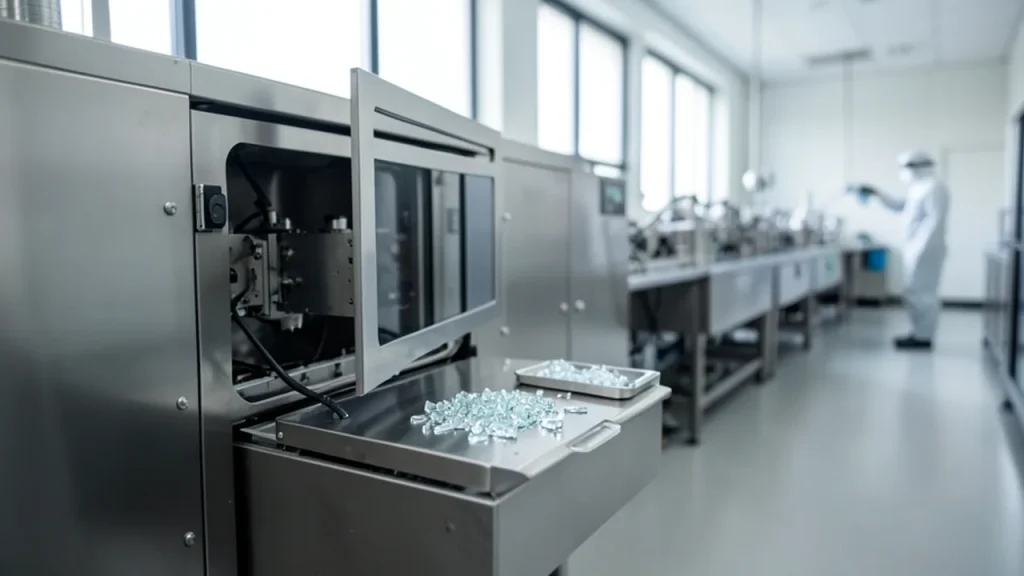
BOE’s Chengdu OLED plant has faced glass breakages for about six months, disrupting production on its 8.6-generation line and threatening iPad OLED panel orders. The downtime can last hours as shards are cleared and equipment checked.
What this means for you: if you’re waiting for a new OLED iPad, availability could slip or lead times could lengthen depending on how quickly BOE resolves the issues and how Apple shifts orders among suppliers.
What happens next: BOE needs to identify the root cause of the glass failures and implement fixes. Apple will monitor the supply situation and decide how many OLED iPads it can secure from BOE versus other suppliers in the coming quarters.
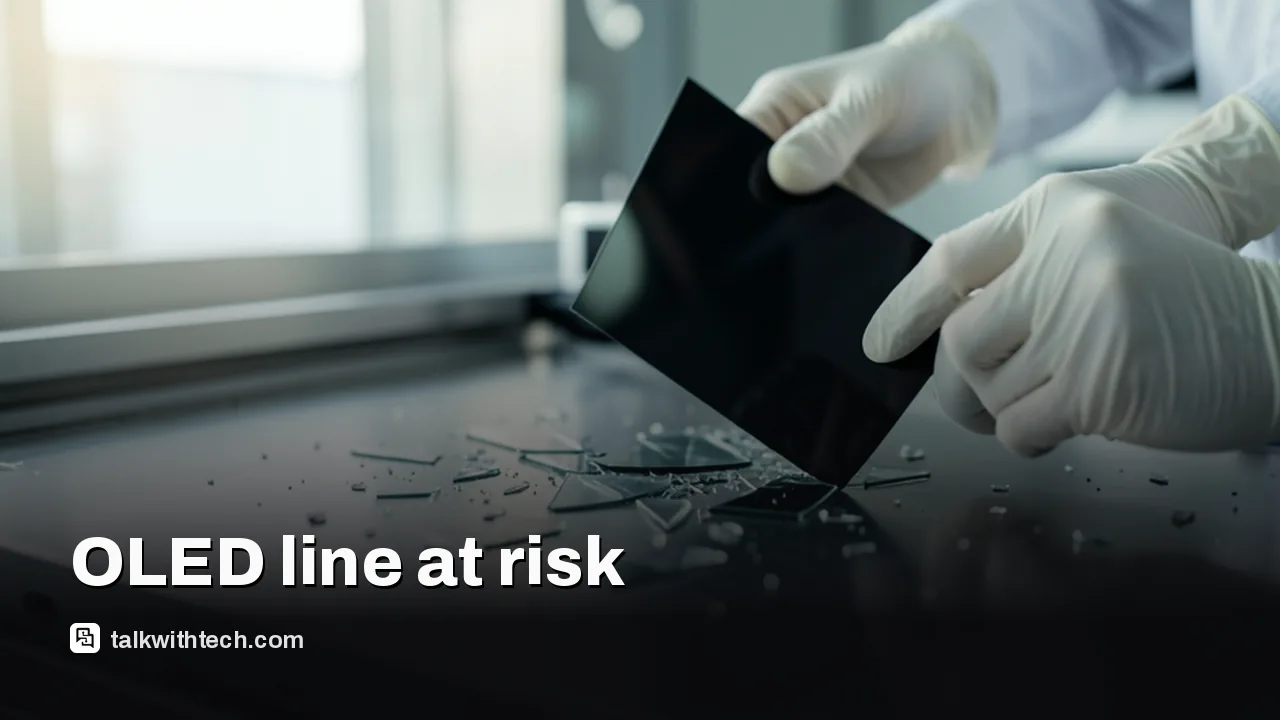
BOE is facing a stubborn problem at its Chengdu campus that could shake up Apple’s plans for OLED iPads. For roughly six months, the company has seen repeated breakage of glass sheets in its 8.6-generation OLED production line, located at the B16 facility. The breaks aren’t limited to a single mishap; the issue recurs enough to slow entire production zones and force downtime while broken fragments are cleared and equipment is checked.
That kind of disruption matters in a high-stakes supply chain where a few damaged substrates can ripple through the line. If two or three sheets crack out of every thousand, the entire fabrication line can’t keep moving as fast as planned. The disruptions come at a facility that still houses two other lines, but the company hasn’t pinpointed a root cause for the glass failures, which complicates fixes and scheduling.
Apple is known to be weighing its panel mix for iPads among several suppliers. In the past, when BOE hit snags, Apple has shifted some orders to other manufacturers to maintain production flow. While Apple has not publicly commented on these particular outages, a pattern of BOE-related supply shifts has surfaced in prior years during similar panel bottlenecks.
The present risk isn’t just about a single outage. It highlights the broader challenge of keeping premium displays in rhythm with consumer demand. OLED panels for tablets sit at the premium end of the market, and even modest delays can translate into longer wait times for new iPad models or updated screen tech. Analysts watching the supply chain say the problem could accelerate changes in how Apple sources panels if the reliability of a key supplier is questioned over a protracted period.
From a consumer point of view, the practical question is whether this affects when you’ll see new OLED iPads on shelves. If BOE can’t stabilize its production quickly, Apple could lean more heavily on other suppliers to keep lead times in check. That said, Apple’s broader strategy has historically built redundancy into its supplier network, so a single hiccup doesn’t automatically translate into a price hike or a sudden delay across all models.
BOE’s situation also underscores how delicate modern display lines are. An eight- to nine-figure investment in advanced production floors can be undermined by glass breakages that stop a process center for hours at a time. The company has not offered a public timeline for when the breaks might stop or what specific fixes it is testing, leaving suppliers and buyers in a wait-and-see posture.
As this unfolds, Apple watchers and industry insiders will be watching whether BOE can restore stable yields on the Chengdu line, or if Apple will shift more OLED orders toward rival suppliers. Either path will shape how quickly new iPads with OLED panels reach stores and how much choice consumers have in the coming years.
Apple inches ahead in a shrinking market, capturing about 22% of worldwide smartphone shipments in Q3 2026 as overall volumes fall to the lowest in years.