Thursday, 8 October 2026

SynthID AI detector lets anyone verify AI-made images and audio

Google is now making its SynthID detector available worldwide in English to tell if media was created with AI from major providers, with Apple support on the way.

Hands holding laptop with printed photo and voice recorder on desk

The short version

  • Google expands the SynthID AI detector to everyone worldwide, enabling users to check if media was AI-generated.
  • Detects watermarks embedded in images, videos, and audio from major creators like Google, OpenAI, Nvidia, and Kakao, with Apple support promised soon.
  • SynthID has watermarking baked into media since 2023 and has tracked billions of assets, aiming to bolster trust in digital content.
Quick read · 1 min

Google is now offering its SynthID AI detector to everyone in English worldwide, so you can check if media was made with AI from major providers. It looks for faint watermarks embedded in images, videos, and audio. If a watermark is detected, the detector indicates AI involvement. Apple support is expected soon.

Why it matters: it helps people gauge trust in what they see online, from photos and clips to audio recordings. It’s not perfect, some AI content may not be marked, and not all tools are covered yet, but it’s a helpful step toward clearer media provenance.

What happens next: detection for Apple-made AI media is on the horizon, and you can start using SynthID now to check media you already have.

Google has broadened access to its SynthID AI detector, letting anyone in the world check whether an image, video, or audio file was created with AI from major providers. The tool, now available in English globally, marks a big step in helping everyday readers verify the authenticity of media they encounter online.

Here’s how it works in plain terms: SynthID embeds faint, nearly invisible watermarks into media. The detector then scans for those watermarks and tells you if the file was likely AI-generated. Google says the system has watermarked over 180 billion images and videos and 240,000 years of audio content since SynthID first launched in 2023. Support for AI tools from OpenAI, Nvidia, Kakao, and Google itself is already covered; Apple’s AI tools are on the roadmap for detection as well.

01

What this means for you and your online life

For everyday users, SynthID provides a straightforward check to verify the provenance of a file you’re viewing or sharing. If a photo, video, or audio clip contains a detectable AI watermark, the detector will flag it as AI-made. That kind of transparency can help people decide how much to trust what they see, whether they’re fact-checking a news clip, evaluating a social post, or deciding whether to share content with friends and family.

It’s not a perfect shield. The detector relies on watermarks that are embedded in the media at creation time, so items that didn’t come with such marks or that have had heavy editing might not be flagged. And while Apple’s tools aren’t yet covered by the detector at launch, Google says detection for Apple-made AI media is coming soon. That keeps the door open as more AI-enabled creation options appear in the market.

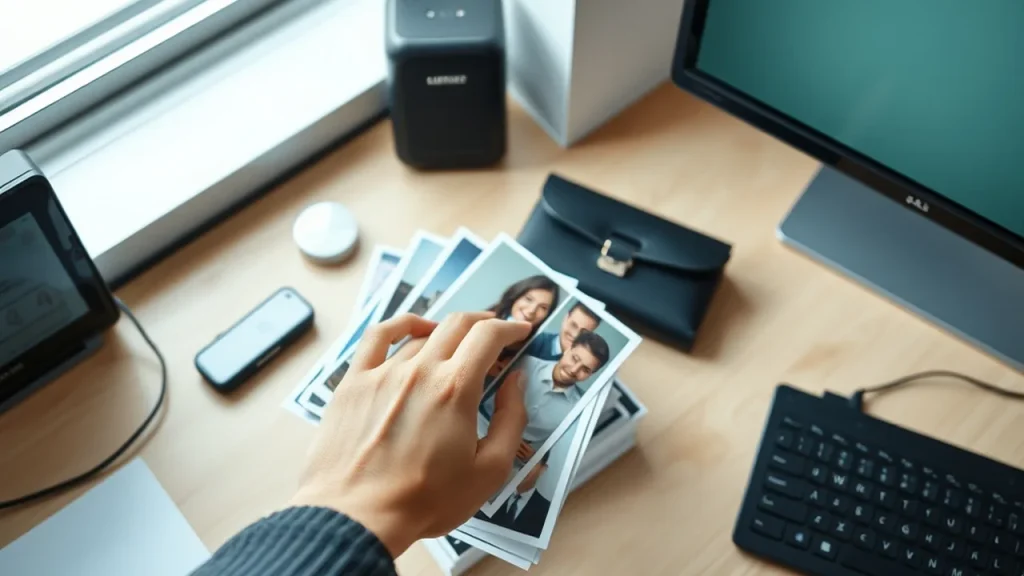
Overhead angle of hand placing printed photo next to audio recorder
02

Which media can SynthID check now

At this stage, SynthID can be used on images, videos, and audio that were created with AI from Google, OpenAI, Nvidia, or Kakao. If a watermark is found, the detector confirms AI involvement; if not, it returns a neutral result. The tool is intended to be easy to use: you visit the SynthID Detector website and run a check on the file in question.

03

Why this matters in the US, UK and Canada

Media literacy tools like SynthID matter in the United States, United Kingdom, and Canada because misinformation and manipulated media are common online. A simple check badge can help viewers make quicker, better-informed judgments about what they’re seeing. For families, this can reduce the spread of misrepresented clips and give teachers, journalists, and health workers a clearer way to evaluate digital content.

Back view of person at kitchen table with printed photo and smartphone face-down
04

What happens next

Google notes that detection for Apple-made media is on the way, which should broaden the coverage further. In the meantime, users can start checking media they come across now, especially images and clips that seem tied to AI-driven sources. The company did not announce any price changes or new features beyond the global availability in English, so there’s no cost barrier to trying SynthID for most people.

05

Quick answers

Can I trust every result from SynthID?

No. Watermarks are a helpful signal, but they aren’t a perfect guarantee. Some files may lack watermarks or be altered in ways that obscure them.

Will this protect me from fake content?

It can reduce risk by making AI involvement more visible, but it doesn’t stop manipulation. Use it alongside other verification steps, like cross-checking with reputable sources.

When will Apple tools be detectable?

Google says detection for Apple-created AI media is coming soon, but no exact date has been shared.

  • Detect AI-generated media
  • Supported: Google, OpenAI, Nvidia, Kakao
  • Apple support coming soon
06

What readers should do now

If you’re curious, try the SynthID Detector on a few items you’ve saved or downloaded. It’s a quick way to gauge whether AI played a role in their creation. For creators, consider whether adding watermarks to AI-generated media could help contextualize your work and reduce confusion among viewers.

07

Sources

Official information from Google about SynthID and its rollout is the basis for these updates. Details about Apple’s forthcoming detection remain unconfirmed in official statements but have been noted as forthcoming by the detector’s developers.

You're reading the quick version.