Nvidia’s OpenClaw: smarter robots need clear guardrails, not just power
Jensen Huang pitches OpenClaw as a leap for robotics, but stresses strong safety controls to prevent missteps as AI agents grow smarter.
Talk With Tech Newsroom
The short version
Jensen Huang described OpenClaw as a major step for AI-powered robotics at a London event.
He argues for a containerized, isolated approach to agentic AI to keep systems under human control.
Huang advocates zero-trust principles, minimum privileges, and continuous monitoring to prevent unsafe actions.
The talk links OpenClaw to practical robotics uses while acknowledging safeguards are essential for broad adoption.
Quick read · 2 min
Nvidia’s Jensen Huang outlined OpenClaw as a major step forward for AI-powered robotics, emphasizing guardrails as essential for real-world use. He described a container-like isolation layer, OpenShell, to keep autonomous agents from acting outside set policies. The point isn’t just speed or capability; it’s safety and control.
In practical terms, Huang argues for zero-trust norms, minimal privileges, and continuous monitoring to ensure robots behave as intended. While there are no firm product timelines yet, the talk signals a push toward safer, more accountable intelligent robots in labs, factories, and service settings. What comes next will be more concrete safety frameworks and pilot demonstrations.
For everyday users, this means future robots may be more capable without being riskier. If OpenClaw catches on, expect industry standards around containment and governance to shape how quickly consumer robotics evolve in the coming years.
OpenClaw advocates a containerized agent inside robots.
Zero-trust and continuous monitoring are core principles.
We should expect more safety-focused demos and standards as the approach matures.
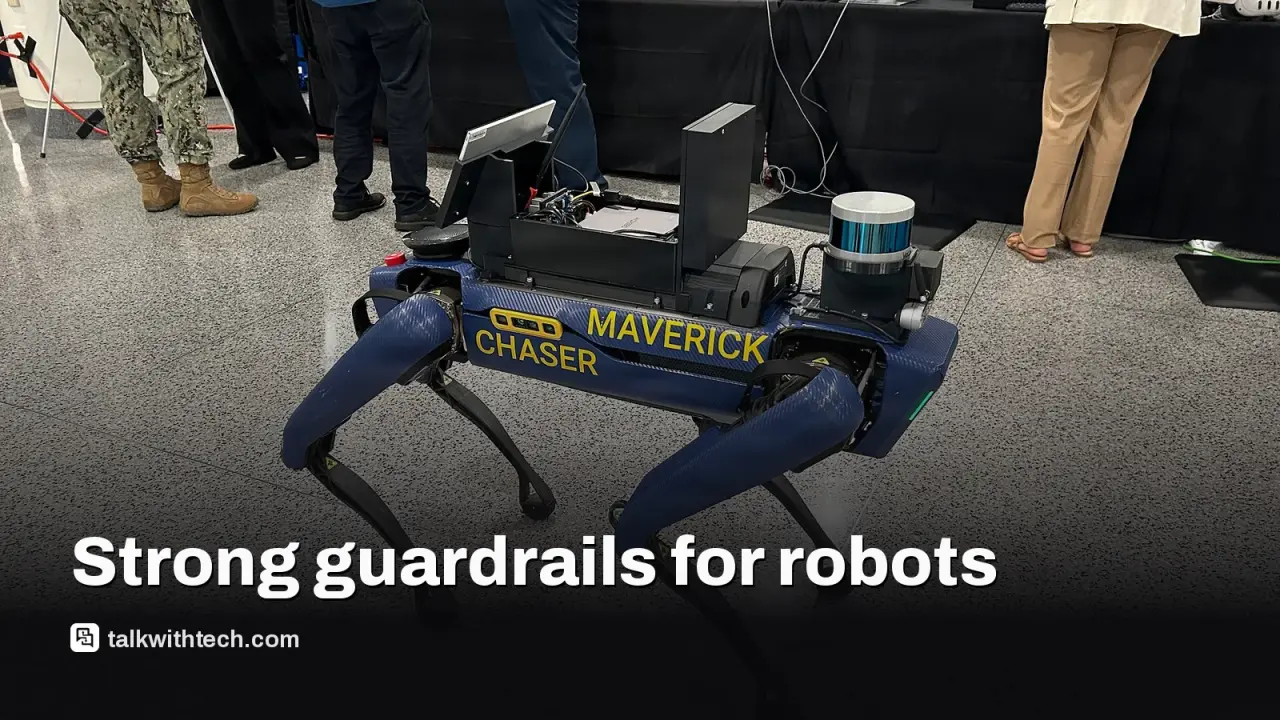
When Nvidia CEO Jensen Huang spoke in London about OpenClaw, he painted a future where AI agents run inside robotic systems, solving real tasks across industries. He called OpenClaw one of the most important models ever seen for speeding up progress, from software helpers to automated labs and robotic grippers. But he also made one thing clear: you don’t ship powerful AI without guardrails; you design them first.
Huang described OpenClaw as a kind of “digital robotic system,” with the AI agent operating inside a hardware platform. The core idea is simple but powerful: build an isolation layer that prevents the AI from directly manipulating sensitive hardware. It’s the same logic security teams use with software containers, applied at the level of autonomous machines. In Huang’s view, this is how you unlock AI’s practical potential without inviting chaotic outcomes.
He warned that early internet apps showed what happens when programs run with too much access. That’s why he proposed a new, contained environment called OpenShell, an internal guardrail meant to keep everything working under policy. In other words, you give the agent only the privileges it needs, not free rein, and you keep a close eye on what it does.
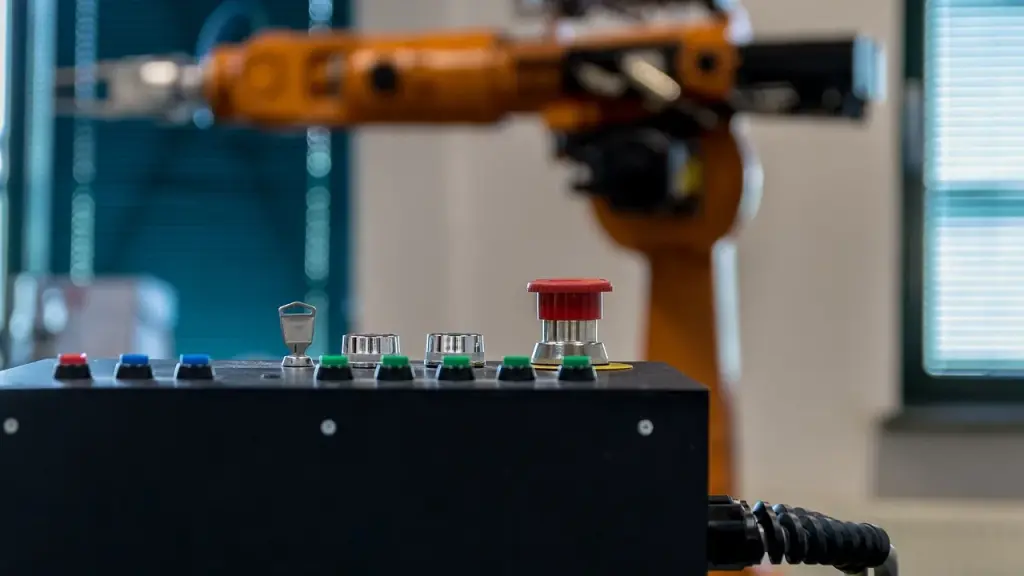
Zero trust sits at the heart of the plan. Huang says you should assume the agent can do almost nothing by default, granting it only the minimum privileges required for a task. If it begins to overstep, it should alert a human operator or be cut off. He’s not just talking theory; he’s outlining a framework that makes autonomous robots useful while keeping people in charge and responsible for the actions the machine takes.
OpenClaw’s promise is to turn AI agents into practical helpers for robotics rather than speculative, unbounded automation. The broader takeaway for readers: smarter robots can be safer robots if the safeguards keep pace with the growing capabilities. The emphasis on containment and continuous monitoring aims to give developers the confidence to deploy agents in settings like labs, factories, and service roles.
That said, Huang’s remarks are largely aspirational at this stage. He focused on concept and strategy rather than concrete products or timelines. Still, the message is clear: if the industry wants robots that can reason, it must build safety around those abilities first. The ongoing discussion now is how to turn these ideas into practical tools and shared standards that hardware makers and software developers can adopt.
What happens next likely centers on refining the containment stack, formalizing safety policies, and building real-world demos that show how OpenClaw-based systems behave in tasks. For everyday readers, the takeaway is simple: future robots may be more capable, but you’ll see them only if the safeguards keep pace with the smarts.