A new wave of plans from the US, China and private players targets lunar bases in the 2030s.
Researchers highlight extreme temperatures, radiation, dust and logistics as major challenges.
Moon bases could serve exploration, science and potential resource use, but require autonomous systems and robust funding.
Quick read · 1 min
A new wave of plans aims to put bases on the moon, with government and private teams targeting the 2030s. The goal is to run habitats, labs and power systems on the lunar surface while robots handle much of the heavy lifting when humans aren’t around.
Why it matters to you: lunar bases could push forward space technology and yield new Earth-bound tools, from better robotics to rugged energy systems. The big hurdles are safety, the extreme cold and heat, and the bill for building and maintaining bases.
What happens next: look for more official roadmaps and tests in the next few years. If tests go well, we could see early crewed missions and robotic construction ramp up in the 2030s, with gradual expansion after that.
The moon is the new proving ground for a second space race. Governments and private spaceflight teams are outlining visions to establish bases on the lunar surface within the next couple of decades, with some talks aiming for the 2030s. It’s a goal that blends exploration, science and the practical idea that the Moon could help humanity reach farther into the solar system.
People behind these plans acknowledge the moon’s harsh conditions. Daytime temperatures can rise above 250 °F and plunge to below -200 °F at night. The surface is bathed in radiation and peppered with sharp lunar dust that can damage equipment. Any long-term settlement would need shelter, life support, reliable power, and systems that can operate with little human attendance for stretches of time.
Adding to the challenge is the need to be self-sustaining. That means finding ways to generate power, extract or recycle water and oxygen, and build and repair infrastructure with robots as much as with people. Some scientists describe the moon as a place where you’re effectively starting civilization from scratch, only this time with tens of billions of dollars at stake and a longer-term goal of enabling missions farther into space.
There’s broad interest from multiple directions. The United States and China have similar long-term aims to put bases on the moon, and Europe is weighing how it could contribute through its space agency and partnerships. Private companies, too, are eyeing the moon as a platform for science, manufacturing experiments, and possibly resource utilization if viable business models emerge.
If these plans move forward, the near-term focus will be on exploration and technology testing. Astronauts might first visit to test habitats, life support, and robotics, while robotic systems build and expand the base. For now, the big questions are less about “if” and more about “how soon and how safely.”
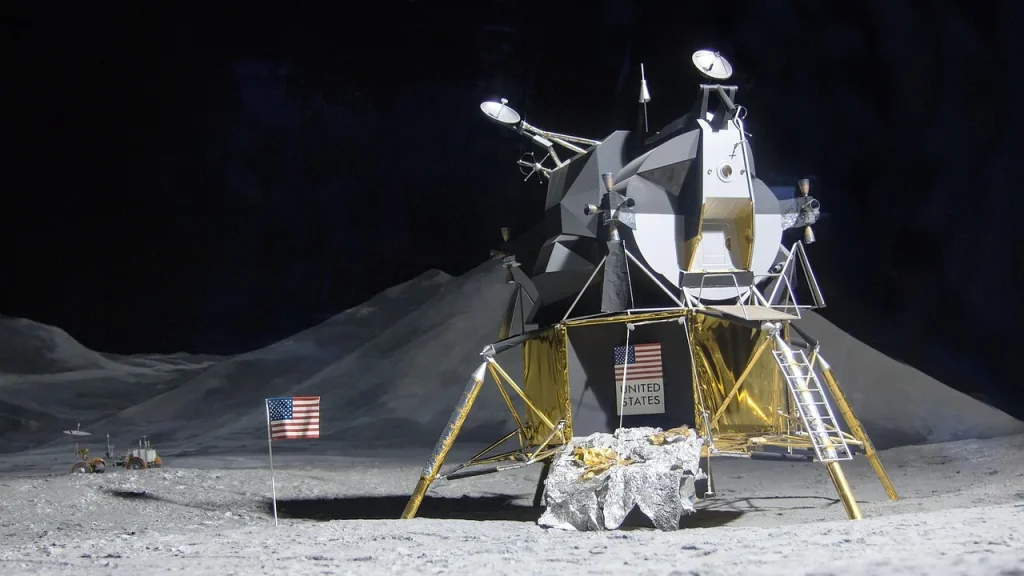
Beyond safety and money, there’s the question of what a moon base would actually look like. Experts see a mix of habitats, communication relays, and power systems, all connected by autonomous machines that can operate when no humans are around. In the long run, bases could come with research stations, green modules for growing crops, and landing pads for spacecraft that ferry people and cargo between the Moon and Earth.
In other words, the moon’s next era could resemble a small, self-contained city built in a hostile environment, with growth shaped by political will and private investment as much as by scientific curiosity.
01
What this means for everyday people
For most readers, the moon base story translates into two practical threads: broader space industry activity and potential tech spillovers. More funded lunar missions could accelerate development in robotics, autonomous construction, and life-support systems. Those advances often filter down into commercial tech, think better remote monitoring, rugged equipment, and more energy-efficient hardware used in harsh settings on Earth.
02
Timeline questions and funding hurdles
Plans to establish a self-sustaining moon base face a long road. Funding must cover decades of research, development, and construction, with costs likely running into tens of billions of dollars before any permanent settlements appear. Safety and reliability will drive much of the design, from shielding against radiation to heating and cooling systems that can weather the cold lunar nights.
03
What happens next
Expect more formal roadmaps from national space agencies and major space companies over the next few years. Early stages will focus on technology tests, robotic construction, and short crewed missions that push the limits of habitat systems and power sources. If those tests succeed, the first true lunar bases could become a reality later this decade or in the 2030s, with the possibility of gradual expansion over time.
04
Quick answers
What’s driving the moon base push?
A mix of national competition and the promise of science, technology development, and a stepping stone to missions farther into space.
What are the biggest hurdles?
Extreme temperatures, radiation, lunar dust, life-support reliability, and the huge costs of building and maintaining bases.
Moon base plans are advancing on multiple fronts, with governments and private players aiming for bases in the 2030s. The challenges are real and expensive, but the potential payoffs include new science, better space tech and a stepping stone to missions beyond the Moon.
This year’s Antarctic winter brought the sea ice to its 2026 maximum in mid-September, but the extent is still one of the lowest seen in the satellite era.