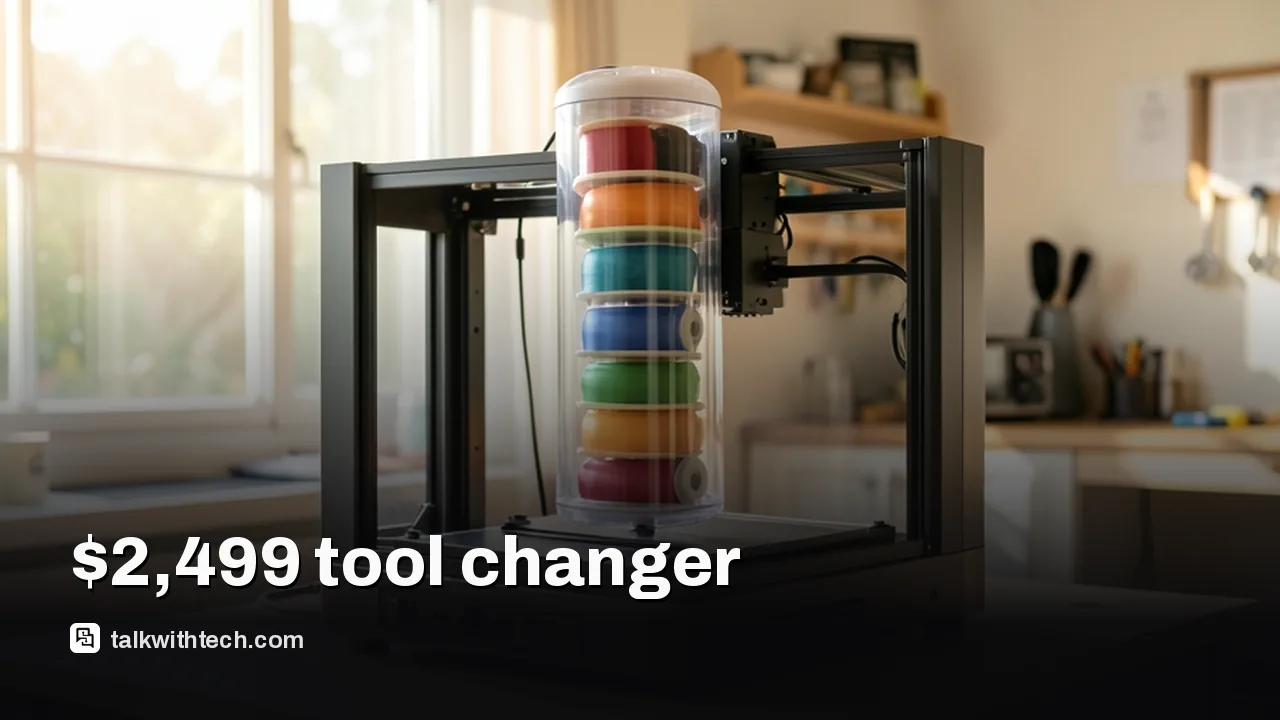
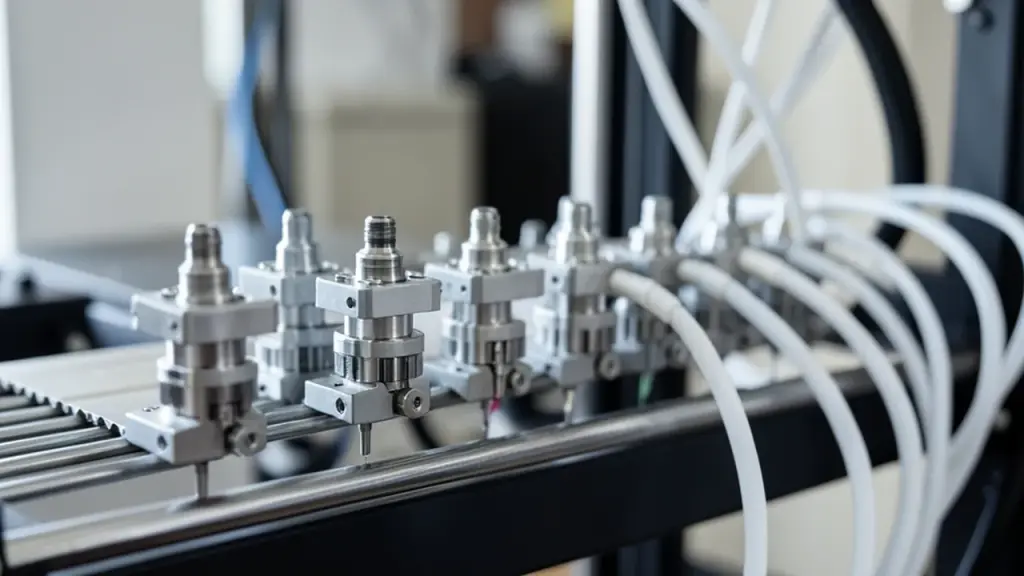
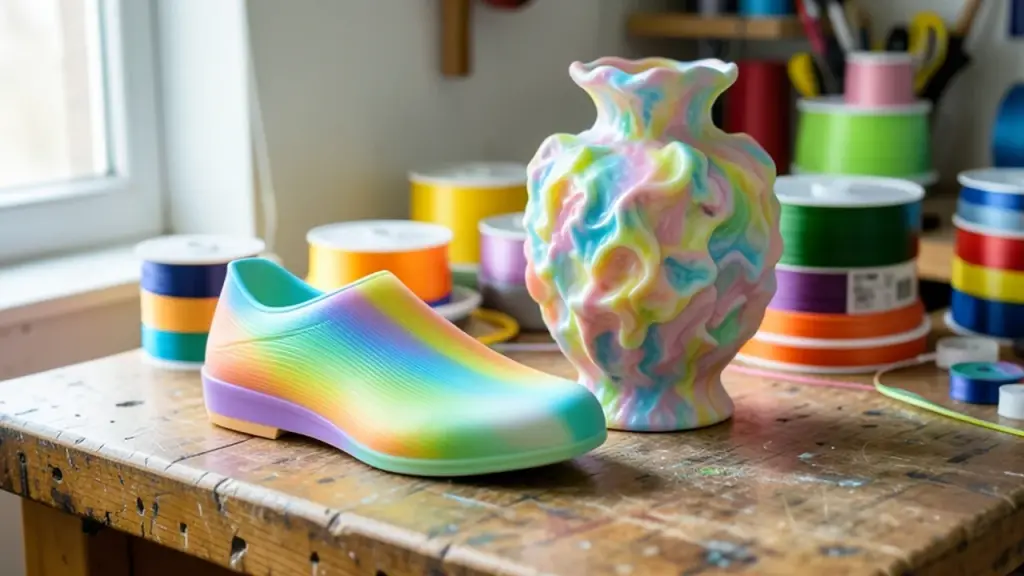
For most hobbyists who print in one or two colors, the H3C is far more printer than they need. Its value shows up when a single print uses three or more materials, or when you want to combine rigid plastic with soft TPU in one part.
- Buy the H3C if you print complex multicolor models often, want soft TPU parts without fuss, or run a small business making multi-material products.
- Consider the H2C or H2D if you already own one. Both share the same build size, and the mixed nozzle feature is coming to them by March.
- Skip it if your space has low shelves or ceilings, or if you mainly print single-color functional parts.
Its closest rival is Prusa’s Core One with the INDX tool changer. One reviewer found the speed gap between the two small in practice, with the Prusa wasting less filament and the H3C adding more tools, a bigger build area, sealed filament storage and drying.
What reviewers liked, and what they did not
Early reviews are mostly glowing about print quality and swap speed. One reviewer printed a near-perfect test boat at very fine layer settings with the 0.2mm nozzle. Another listed its handling of soft TPU as a top reason to buy.
The complaints are worth knowing before you spend $2,499. One tester saw tall prints fail when supports or the priming tower toppled at higher speeds. Another reported a clicking motor and a tool whose tube snagged and caused it to drop off mid-print, on prerelease firmware that was updated several times during testing. Soft TPU prints showed some under-extrusion on default settings, which one reviewer expects slower speeds to fix.
If you are tempted, the safest move is to measure the space above your bench first, then watch for the first firmware updates and user reports over the next few weeks.