OLED TVs offer great contrast but can suffer burn-in if static images stay on screen for long periods.
Manufacturers add protections like screen shifting and pixel refreshers, but user habits still matter.
Practical steps include enabling inactivity timers, using dark screensavers, and varying content to prevent steady HUDs or logos.
Quick read · 1 min
OLED TVs look amazing, but static images can wear down pixels over time, creating a ghost image. Modern OLEDs include tools like pixel refreshers and screen shifting to combat this. You can help by enabling inactivity timers, using full-screen screensavers, and avoiding hours of fixed logos or HUDs. If you game, set automatic dimming for static UI elements and take breaks with varied content. Expect future models to improve on these protections, and ask about pixel refresh cycles when shopping for a new TV.
Enable screensavers and inactivity timers
Use brightness-aware settings during gaming
Rotate content and avoid long stretches of fixed images
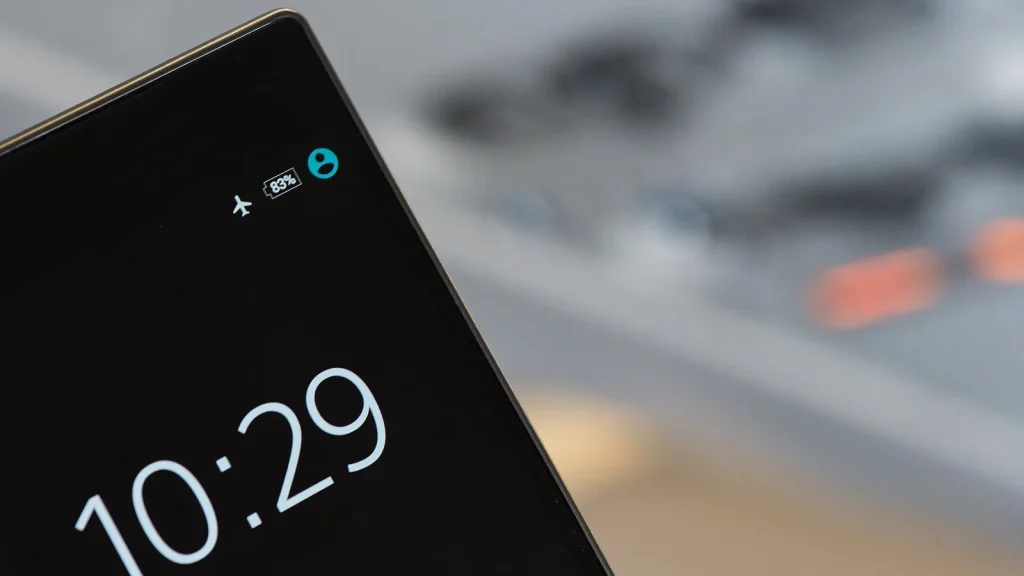
OLED TVs deliver stunning picture quality with deep blacks and vibrant colors. That same pixel-by-pixel control can wear unevenly if a static image sticks around too long, potentially leading to burn-in. Burn-in is when a ghost image lingers on screen after the content changes. It’s different from temporary image retention, which fades with time. While true burn-in is relatively rare thanks to modern protections, it’s smart to adopt habits that minimize risk.
Manufacturers have baked in defenses. Many OLED sets include features like pixel refreshers that periodically scan and refresh worn pixels, and screen-shift technology that nudges the picture slightly to spread wear. Some devices also detect static logos or UI elements and reduce brightness in those regions. These tools help, but they aren’t a free pass for leaving static images on for hours at a time.
01
What makes burn-in more likely
Burn-in tends to happen when the same image sits on screen for long stretches. That includes things like persistent game HUDs, channel logos, or a paused video game menu. The risk grows with brightness, color intensity, and the length of time the image stays put. If you’re sharing a TV with board-game night and a streaming app showing its logo in the corner, you’re nudging the odds up a bit.
02
What to do now to protect your OLED TV
Use the built-in protections and adopt some sensible viewing habits. First, enable any automated screensaver or inactivity timer so the display switches away from static content when you’re away. If your model has a Pixel Refresher or equivalent, consider leaving it enabled or running it on a schedule. Some sets also offer a logo luminance reduction feature that triggers when a static logo is detected.
Watch game sessions with caution. If you’re a serious gamer who plays long sessions in high brightness, look for game mode settings that automatically dim UI elements or apply a brief screensaver during pauses. For everyday use, vary what you watch and how you watch it. Don’t leave sports scores, news tickers, or always-on apps pinned to a corner of the screen for hours on end.
Practices that help without costing you much time or money include: setting automatic off-times, using a screensaver that fills the entire screen rather than a fixed logo, and rotating what apps are visible on screen in active use. If you notice odd brightness in a fixed area after a long viewing session, give the panel a rest by watching something different for a while.
03
What about maintenance and replacement costs?
Burn-in isn’t something you can fully remove with a single trick, but the combination of protections and good usage reduces the risk. If you do see a faint image lingering after hours of varied content, it will usually fade over time with normal viewing. If the issue seems persistent, check your TV’s manual or settings for the recommended steps and consider a longer-term change in viewing habits.
04
What happens next
OLED tech has matured a lot since its debut. Expect more aggressive pixel management in future models, along with smarter screensavers and more precise brightness controls. If you’re shopping for a new OLED TV, ask about X% pixel refresh cycles, built-in screen shifting, and whether automatic logo dimming is available on the model you like.
Leftover static images on a screen for long periods can wear specific pixels more than others, leaving a ghost image.
Can I fix burn-in?
Most cases are preventable or fade with time. If you notice persistent image retention, try running any built-in pixel refreshers and reduce static content. If it persists, consult the manufacturer.
Do all OLEDs have burn-in risk?
The risk exists in theory, but protections in modern sets greatly reduce it. Following best practices is still wise.