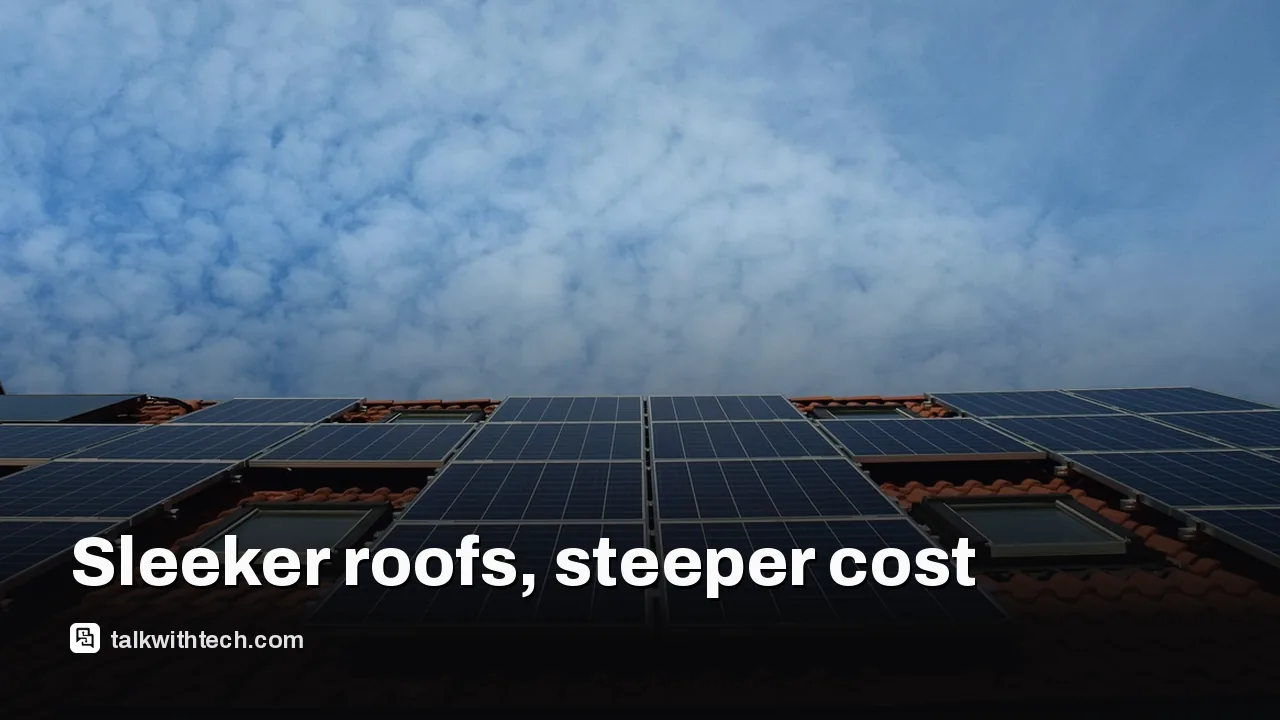
Solar roof tiles blend into the roof but cost more than traditional solar panels and are less efficient.
Installs require coordination between roofers, solar installers, and electricians, adding time and complexity.
Despite challenges, some companies see growing demand, especially for heritage homes and historic buildings.
Advances like matrix shingling could improve output and aesthetics, but broad adoption depends on cost and design tooling.
Quick read · 1 min
Solar roof tiles turn your roof into a power source while keeping a traditional look. They’re more expensive and generally less efficient than standard solar panels, and installation requires a coordinated team of roofers, solar technicians, and electricians. Some builders are optimistic about advances like matrix shingling that could boost performance and aesthetics. For now, expect higher costs and longer timelines than typical solar upgrades.
What this means for you: if curb appeal matters or you’re on a historic property, a solar roof tile might be interesting, but shop around and compare to a traditional solar array on price and performance.
Ask for a full cost breakdown
Check local codes and historic rules
Get a clear installation timeline
Solar roof tiles, a category that lets roof tiles themselves generate electricity, are getting more attention in the United States. They look more like traditional roofing than the bright, mounted solar panels many homeowners are used to. Still, the road to widespread adoption is bumpy: prices run higher than conventional solar setups, and the installation process is more complex. The result is more time, more planning, and more dollars for homeowners who want a roof that also powers the house.
In practice, solar roof tiles can be less efficient than standard solar panels, in part because they’re smaller and sit close to the roof, where heat builds up and airflow is limited. The heat can shave some energy production, and the tiles often require more space to generate the same amount of power as a traditional solar array. That means bigger roof areas and more tiles to achieve the same output, which again adds to the cost.
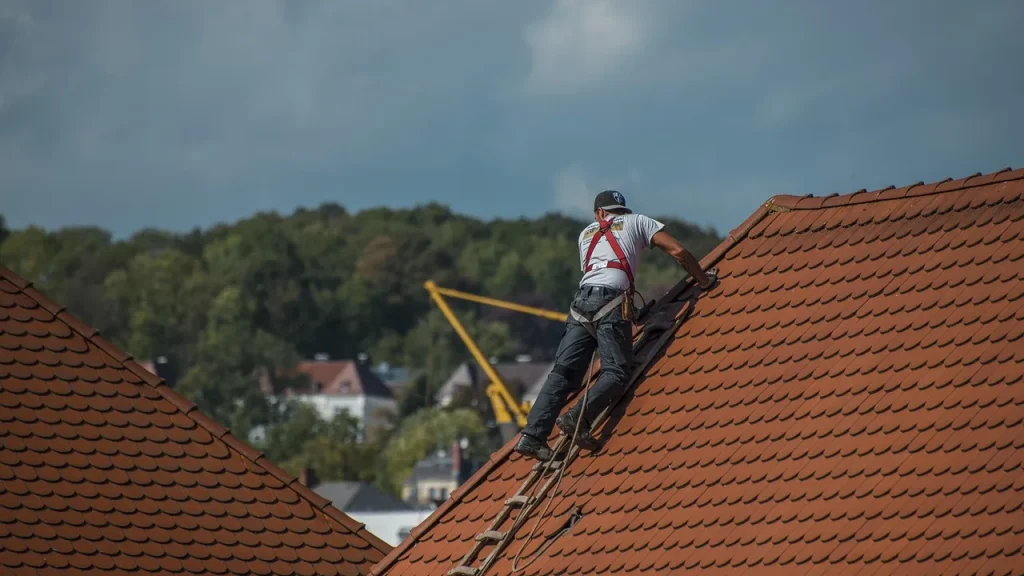
Industry voices emphasize that the economics hinge on more than panels. You’re not just buying a solar system; you’re hiring a team of roofers, solar installers, and electricians who must work together. Some roofers say the process slows down because they’re stepping into a solar workflow that isn’t always designed with building integration in mind. This can translate to longer project timelines and higher labor costs, even before repairs or maintenance are factored in.
01
Why solar roofs aren’t a slam dunk yet
One big factor is cost. A solar roof may cost roughly twice as much as a traditional solar setup once you factor in materials, labor, and specialized installation. Some builders also point to a lack of standardization and limited long-term data on reliability, which makes financiers more cautious. In addition, many roof types and heritage buildings have rules about appearance that complicate retrofits or tiled systems.
Manufacturers are experimenting with new approaches to boost efficiency and ease of installation. Matrix shingling, for example, cuts solar cells into narrow strips and connects them with conductive adhesive rather than visible wiring. This can help current flow around shaded areas and improve aesthetics, potentially making the tiles more productive per square foot and easier to tailor to odd roof shapes.
02
What this means for everyday homeowners
If you’re considering solar and care about curb appeal, a solar roof tile might seem attractive. But you’ll want to compare apples to apples: a similar-capacity traditional solar system can often cost far less and be easier to install. Expect higher up-front costs, longer timelines, and more coordination with your contractor. You’ll also need to think about maintenance and how easily you’d swap a single tile if it fails compared with a panel you can replace more readily.
03
What to ask and how to plan
Talk with your installer about the balance between appearance, efficiency, and price. Ask for a labeled breakdown of costs, a realistic timeline, and a plan for potential repairs. If you’re in a zone with historic homes or strict homeowners associations, confirm the project will meet design guidelines and get any required approvals in writing before starting.
04
What happens next
The industry is watching whether new manufacturing methods and software tooling can push costs down and speed up design-to-install timelines. If matrix shingling and other advances pay off, solar roofs could become a viable option for more homeowners, not just those with the means to pay for premium tiles.
How much more expensive are solar roof tiles than traditional solar?
Up-front costs can be significantly higher, often roughly double traditional solar setups, depending on roof size and design.
Are solar roof tiles worth it for historic homes?
They can be appealing for appearances and heritage rules, but the cost and installation complexity are even bigger factors to weigh against standard solar options.
What could make solar roofs more popular?
Lower costs, standardization, better design tools, and proven reliability would drive broader adoption.
Researchers report an experimental entanglement between a glass bead and a light beam, a stride toward practical quantum memory and new ways to store quantum information.
The IceCube Neutrino Observatory at the South Pole helps scientists study high‑energy neutrinos from space, a prize‑winning technology that relies on buried sensors in ice.
2 min read
We use cookies to understand how readers use Talk With Tech, so we can make it better. Is that OK? Privacy policy
The Daily Brief
Today's biggest tech stories, in 5 minutes
Every morning, the news that matters from AI, phones, apps and the people shaping tech. Explained in plain English. Free.
One email a day. No spam, unsubscribe anytime. Privacy policy