WHO finds no spread but gaps remain in Russian lab death probe
A WHO report says the exact cause of a Russian infectious disease researcher’s death remains unconfirmed, with no sign of ongoing transmission yet uncertainty about exposure.
The World Health Organization released a disease outbreak report about a Russian infectious disease researcher’s death, citing unresolved details due to lack of a confirmed diagnosis.
There is no evidence of ongoing transmission, but confidence in the assessment is limited by missing etiological details and unclear exposure source.
Timeline shows initial media reports on Oct 2, followed by WHO information requests and Russian authority responses between Oct 3 and Oct 8.
Early statements suggested a possible link to a high-threat pathogen, but subsequent tests were negative and the death is described as pneumonia of undetermined etiology.
Quick read · 2 min
The World Health Organization issued a report about the death of a Russian infectious disease researcher earlier this month. The key point: the exact cause has not been confirmed, and no ongoing transmission has been detected so far.
Timeline notes: media reports appeared on Oct 2, followed by WHO information requests on Oct 3, 6, 7, and 8. Russia said a commission was examining a suspected high‑threat pathogen, but subsequent tests were negative, and the death is described as pneumonia with an undetermined etiology.
What this means for you: there’s no current evidence of wider risk, but officials will continue checking details. If you work in labs or health settings, expect ongoing updates about safety measures and surveillance.
Expect continued statements from health authorities
Watch for updates on lab safety procedures
Public health guidance may adjust as more data comes in
The World Health Organization released a disease outbreak report this weekend about the death of a Russian infectious disease researcher earlier this month. The main takeaway: there is no confirmed cause yet, and the agency says it cannot fully assess risk or the effectiveness of public health measures without a verified diagnosis.
According to the WHO, there is no evidence of ongoing transmission related to the case. However, the agency cautions that confidence in its assessment is limited because the cause of death has not been confirmed, and the source and mode of exposure remain unclear.
Here’s how the timeline unfolded. Media outlets first reported the death on October 2. The WHO then reached out to Russian authorities and requested information on October 3, 6, 7, and 8 as part of routine outbreak checks. The information currently points to a single laboratory worker rather than a wider health event.
On October 2, Russia’s health authority said a special commission was examining a suspected case related to a high‑threat pathogen. They also noted that contacts were being monitored and tested, with all tests reportedly negative for high‑threat pathogens. A later statement from Russia’s National Focal Point for the International Health Regulations on October 6 said no plague case had been recorded in Irkutsk Oblast. They confirmed the worker died from pneumonia after developing symptoms compatible with an acute respiratory viral infection; tests for several high‑threat pathogens came back negative. Doctors described the death as pneumonia of undetermined etiology.
What this means for readers is simple: there isn’t an immediate public health threat, but officials still need more information to pin down the exact cause and any potential risk. Without a confirmed diagnosis, it’s harder to decide if lab safety or surveillance policies should change in the region or elsewhere.
01
What this uncertainty means for everyday people
In plain terms, the case shows how difficult it can be to determine a precise cause of a mysterious illness, even when a lab link is suspected. For most readers, the practical takeaway is not a risk to personal health right now but a reminder of how transparency and international cooperation shape outbreak investigations. If you work in labs or health care settings, expect ongoing updates about safety practices and monitoring protocols.
02
Why the diagnosis matters
Pinning down the exact pathogen or cause of death guides how authorities manage lab safety, exposure tracing, and any necessary protective measures. It also informs whether additional screening, vaccination strategies, or changes to lab practices might be needed in the region or in similar environments worldwide. Until a firm diagnosis emerges, experts will rely on caution and continued monitoring to guard against potential risks.
03
What happens next
The WHO says it will continue seeking information and confirming details as they become available. In the meantime, public health agencies will assess whether any adjustments to lab safety or surveillance protocols are warranted and will share updates as the case evolves.
Officials have not confirmed a diagnosis. The death is described as pneumonia of undetermined etiology, with tests for several high‑threat pathogens returning negative.
Is there a risk to the public?
The WHO says there is no evidence of ongoing transmission at this time, but the assessment remains limited by the lack of a confirmed etiological diagnosis.
What happens next?
The WHO and Russian authorities will continue information requests and investigations, with updates likely to address the missing details of source and exposure.
Official statements from health authorities may influence lab safety guidelines.
Ongoing surveillance is expected to determine if any wider risk emerges.
New information could alter public health recommendations in the region.
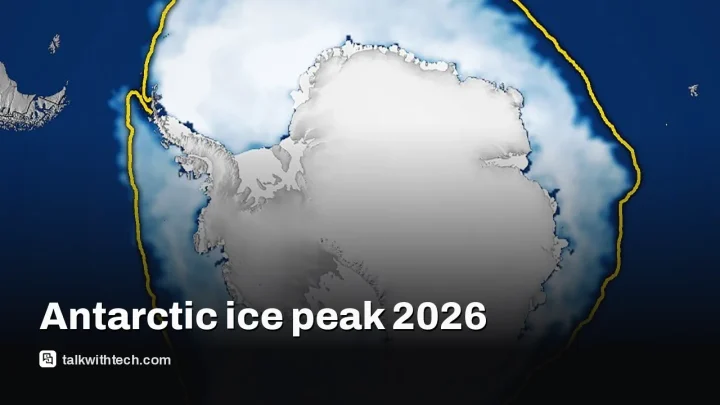
This year’s Antarctic winter brought the sea ice to its 2026 maximum in mid-September, but the extent is still one of the lowest seen in the satellite era.
3 min read
We use cookies to understand how readers use Talk With Tech, so we can make it better. Is that OK? Privacy policy
The Daily Brief
Today's biggest tech stories, in 5 minutes
Every morning, the news that matters from AI, phones, apps and the people shaping tech. Explained in plain English. Free.
One email a day. No spam, unsubscribe anytime. Privacy policy