Apple HomeView iPhone hub forces AirPlay for core Apple apps
Apple’s new HomeView smart display relies on an iPhone for essential apps like Apple TV, Books, Music Classical and News Plus, raising questions about its standalone usefulness.
Apple HomeView runs on the iPhone 16’s A18 chip but can’t natively run several core Apple apps.
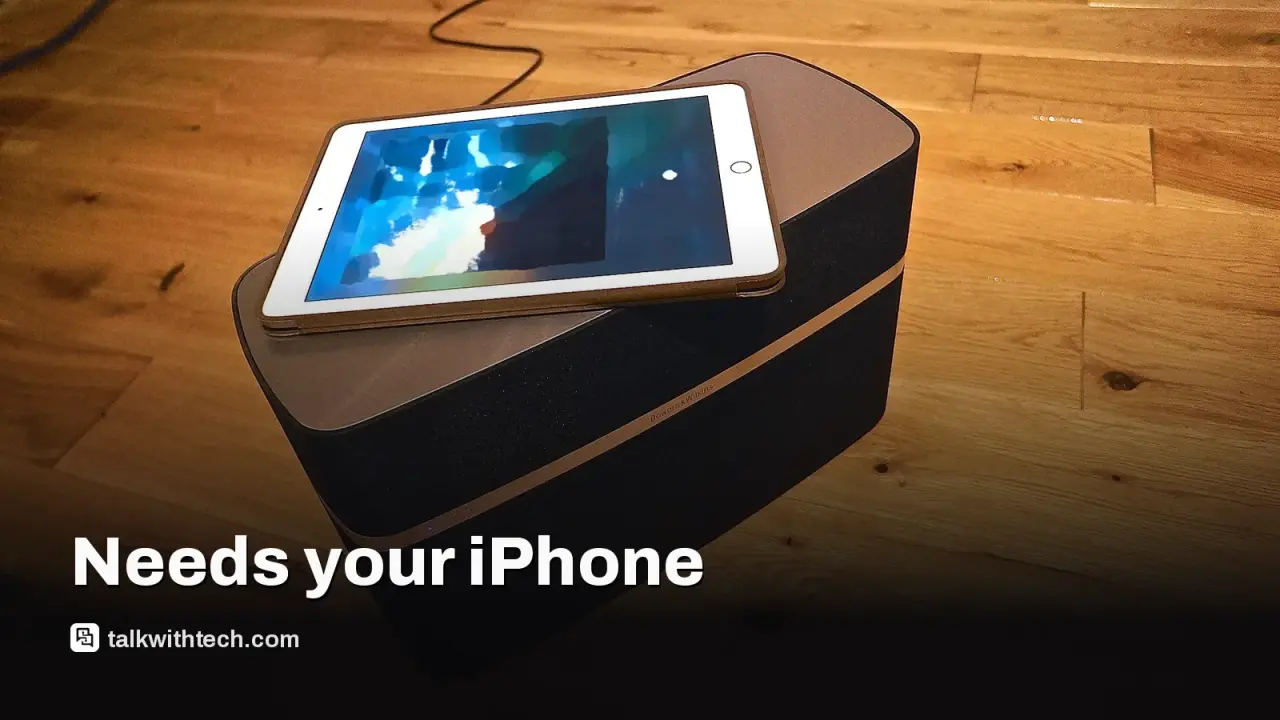
Users must AirPlay from an iPhone to access Apple TV, Books audiobooks, Music Classical and News Plus.
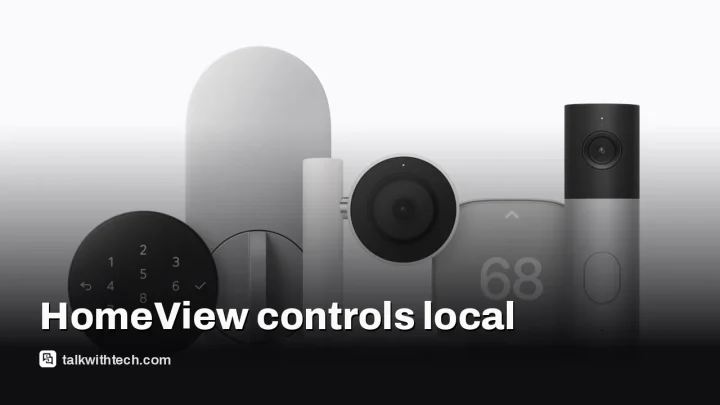
Apple positions HomeView as a smart home hub, not a standalone entertainment device.
Developers can create widgets for HomeView, but apps with CarPlay entitlements have a limited role.
Quick read · 1 min
Apple’s new HomeView smart display won’t run several core Apple apps natively. To access Apple TV, Apple Books, Music Classical and News Plus, you’ll need to AirPlay from an iPhone and keep the iPhone nearby. The device runs on the iPhone 16’s A18 chip, but software depends on a linked iPhone for some functions, and there’s no App Store on HomeView.
That means HomeView is more of a smart home hub than a standalone entertainment screen. If you want a truly independent streaming experience, this could feel limiting. Developers may add widgets or CarPlay-enabled experiences, but not every app will work directly on the display.
What to do now: consider how you’ll use HomeView. If you already own an iPhone and want a centralized smart home panel, it could fit. If you want quick, phone-free access to streaming, you might wait for broader app support.
Apple’s new HomeView smart display has a notable limitation: it can’t run some of Apple’s popular apps directly on the screen. If you want to watch Apple TV, read Apple Books, listen to Apple Music Classical, or browse Apple News Plus on HomeView, you’ll need an iPhone nearby to route the content through AirPlay. In other words, the device acts more like a control hub than an independent entertainment screen.
The setup echoes CarPlay, where certain features come from a connected iPhone rather than a closed system on the display itself. HomeView uses the iPhone 16’s A18 chip, but the software relies on a paired iPhone for several functions. There is no App Store on HomeView, which further limits what you can install or run directly on the panel.
That design choice matters for anyone hoping for a truly standalone viewing or reading experience. Competing displays from other brands stream many services natively, without needing a nearby phone. HomeView’s approach may feel less convenient for everyday use when you want quick access to content without reaching for your phone first.
Apple does leave a potential path for developers. Updated developer docs note that qualifying iOS apps can offer widgets on HomeView, and some apps with CarPlay entitlements might appear when used with a paired iPhone. In short, developers may tailor experiences to HomeView, but not every app will automatically work on the device itself.
For everyday readers, the practical takeaway is simple: if you want a smooth streaming or reading session from HomeView, you’ll probably need to start from your iPhone. If you want a truly independent entertainment screen, this could feel limiting compared with rivals.
What this means for your setup is that a HomeView could still fit well into a home already invested in Apple’s ecosystem. If your goal is a centralized smart home panel rather than a stand-alone streaming display, it could work. If you want instant, phone-free access to streaming, you might want to hold off for broader app support already in development.
What happens next could hinge on how many apps get CarPlay-style entitlements and how developers expand the device’s capabilities. Apple could broaden the native app lineup over time, or keep the device limited and rely primarily on iPhone-driven workflows. We’ll watch for updates from Apple about app support and new features that ease the need for a nearby iPhone.
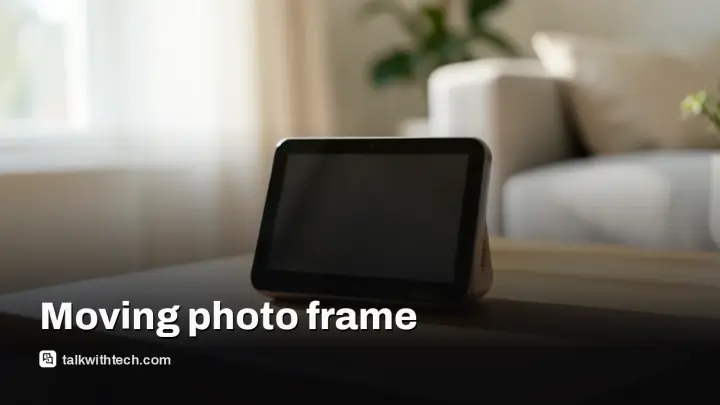
Apple adds new Faces to HomeView, including Snoopy and Photos, turning the 7-inch display into a moving photo frame and smart home control hub. Arrives November 13 for $299.
3 min read
We use cookies to understand how readers use Talk With Tech, so we can make it better. Is that OK? Privacy policy
The Daily Brief
Today's biggest tech stories, in 5 minutes
Every morning, the news that matters from AI, phones, apps and the people shaping tech. Explained in plain English. Free.
One email a day. No spam, unsubscribe anytime. Privacy policy