Monday, 12 October 2026

Budget Android phone features that actually matter under $300

Smart buyers can land a decent Android phone for $300 or less by focusing on core specs like screen, RAM, battery and camera quality.

Close-up of a modern smartphone with a large screen and slim design

The short version

  • You can find usable Android phones under $300, but you need to know which specs matter most.
  • Prioritize screen quality, memory, battery capacity, and storage to avoid frustration.
  • Expandable storage and modern connectivity like NFC can matter for everyday use.
  • Plan for software and security updates when you’re buying a cheaper handset.
Quick read · 1 min

You can buy an Android phone for $300 or less that will cover the basics, but you need to know what to look for. Screen size and quality, RAM, battery, and storage are your main hurdles. Don’t skimp on these and you’ll avoid the biggest headaches.

Look for: at least a 6-inch-ish screen with good brightness, 6GB RAM, 128GB storage (or more with expandable storage), and a battery around 4,500mAh or larger. Also check for NFC if you use tap-to-pay and verify there’s a reasonable period of software updates left.

  • Screen: 5.6-inch minimum, AMOLED if possible
  • RAM/Storage: 6GB RAM, 128GB storage
  • Battery: 4,500mAh or more

With these basics, you’ll get a phone that lasts through daily tasks, not a laggy device you regret buying.
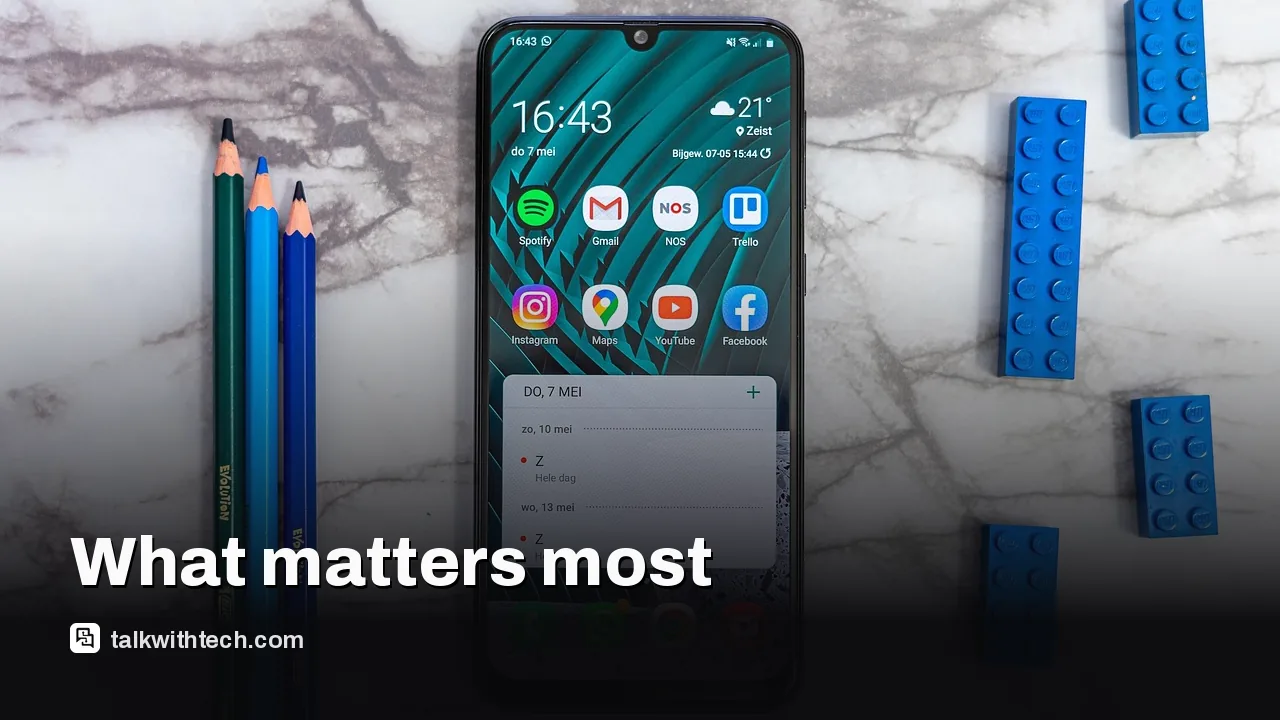

Buying a new Android phone doesn’t have to mean breaking the bank. If you’re shopping in the $300 range, there are solid options, but you need to know which non-negotiables to watch for. The idea isn’t to chase the latest hype, but to ensure the device can handle everyday tasks without becoming a slow, won’t-load apps liability.

Here are the practical things that should guide your pick, regardless of brand or model.

01

Screen and RAM you can actually enjoy

The screen size matters for comfort and productivity. Look for at least a 5.6-inch display, with most phones now at 6 inches or more. A good baseline is an AMOLED panel with HD resolution and a peak brightness around 1,000 nits so you can see content in bright sun. For memory, aim for 6GB of RAM at a minimum. If you game a lot or multitask often, 8GB helps keep apps from feeling slow. If the phone doesn’t offer expandable storage, 128GB should be your floor and 256GB is a safer target to avoid filling up quickly.

Smartphone screen lit up in bright outdoor light
02

Battery life that actually lasts a day

Battery capacity matters almost as much as speed. A battery around 4,500mAh works for lighter use, but going up to 5,000mAh is a safer bet for all-day usage, especially if you’re streaming or using AI features in the background.

03

Camera basics that don’t disappoint

A decent camera setup is important even on budget phones. Look for a sensor that can reliably take shared everyday photos and bright selfies. Megapixels aren’t everything, but you want a rear camera that performs well in typical lighting. A solid front camera also matters for video calls and social sharing.

Two people using smartphones in a casual setting
04

Reliability and future-proofing

Beyond the core specs, consider practical durability and software updates. Check that there’s a reasonable window of security and OS updates left from the manufacturer. This matters more on budget devices where hardware is capped by price.

05

What this means for everyday people

If you’re buying a budget Android phone, you don’t have to settle for a phone that feels ancient. You’ll still be able to message, stream, and browse with a device that balances price with useful features. The key is to avoid the cheapest options that cut corners on RAM, battery, or storage, because those corners tend to show up as lag, short battery life, or constant storage-management prompts.

06

What to do now

Set a price ceiling of $300 and use these minimums as your guardrails: 6GB RAM, at least 128GB storage if no microSD, a screen around 6 inches with solid brightness, and a battery above 4,500mAh. Check for NFC for tap-to-pay and confirm a few years of software support is available. If you’re shopping online, read recent user reviews about real-world battery life and camera performance before you buy.

07

Quick answers

What’s the most important spec on a budget Android phone?

The screen quality and RAM determine everyday usability most, followed by battery life and storage capacity.

Can I really get a good phone under $300?

Yes, there are solid options, but you should watch for 6GB RAM minimum and at least 128GB or expandable storage, plus decent battery life.

You're reading the quick version.