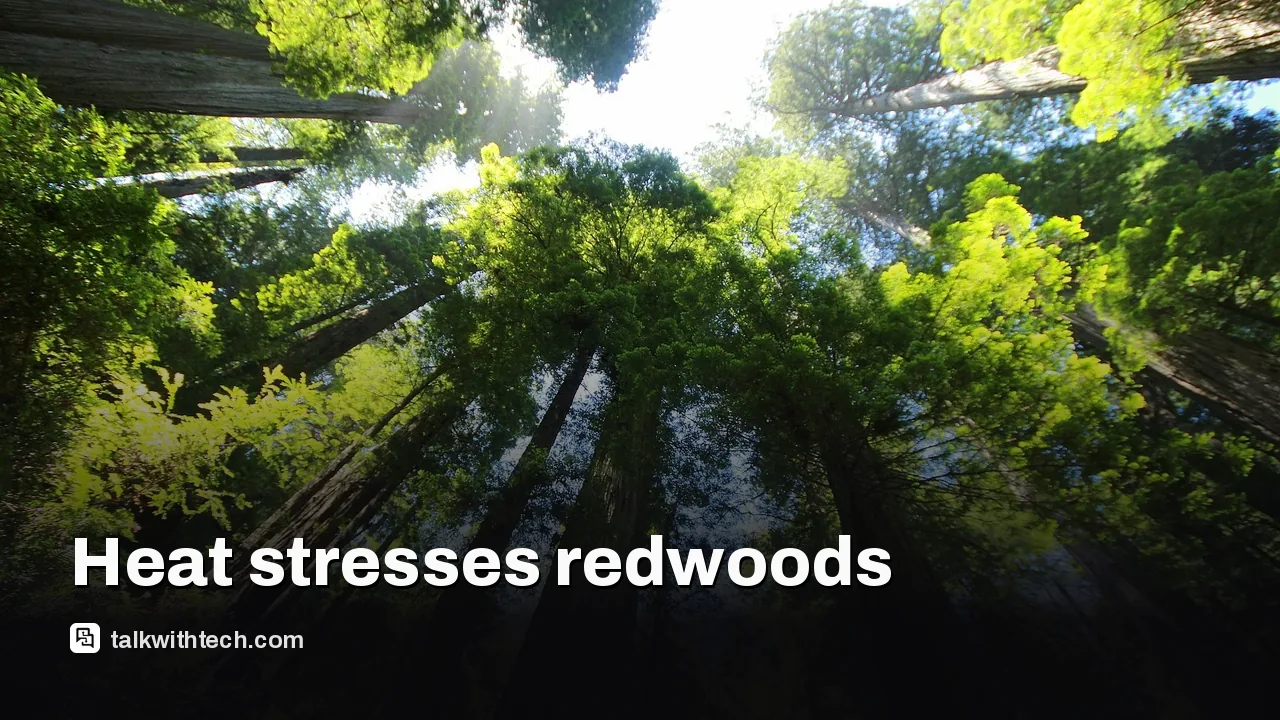
A new study finds coast redwood leaves reduce photosynthesis during extreme heat, effectively slowing the trees' growth.
Heat stress combines with drier air and less fog, a vital water source for these giants, raising long-term risks.
The findings highlight how warming temperatures could reshape California’s iconic forests and their wildlife.
Reading the study helps explain why forests store carbon and how climate change can weaken that role.
Quick read · 1 min
Coast redwood forests in California are feeling the heat. A UC Davis study shows that during extreme heat, the leaves of these giant trees close their stomata to save water, slowing photosynthesis and growth. The fog that usually cools and hydrates them is thinning, worsening the stress. This isn’t just about trees; it could affect carbon storage and wildlife in these mighty forests.
What happens next? Scientists will keep tracking these trees to see how they adapt to hotter, drier conditions and shifting fog patterns. In the meantime, the study highlights why forests and climate research matter to ordinary readers who care about cleaner air and healthier ecosystems.
Heat waves reduce the trees’ carbon intake.
Less fog means less natural cooling and hydration.
Long-term growth and carbon storage could decline.
Coast redwood forests in California are weathering a new kind of stress as heat waves become more intense. A study by researchers from UC Davis tracked leaves on these ancient giants and found that during extreme heat, the trees basically stop photosynthesizing. In plain terms, they breathe less in and out and take in less carbon, which means they aren’t building energy stores as robustly as before.
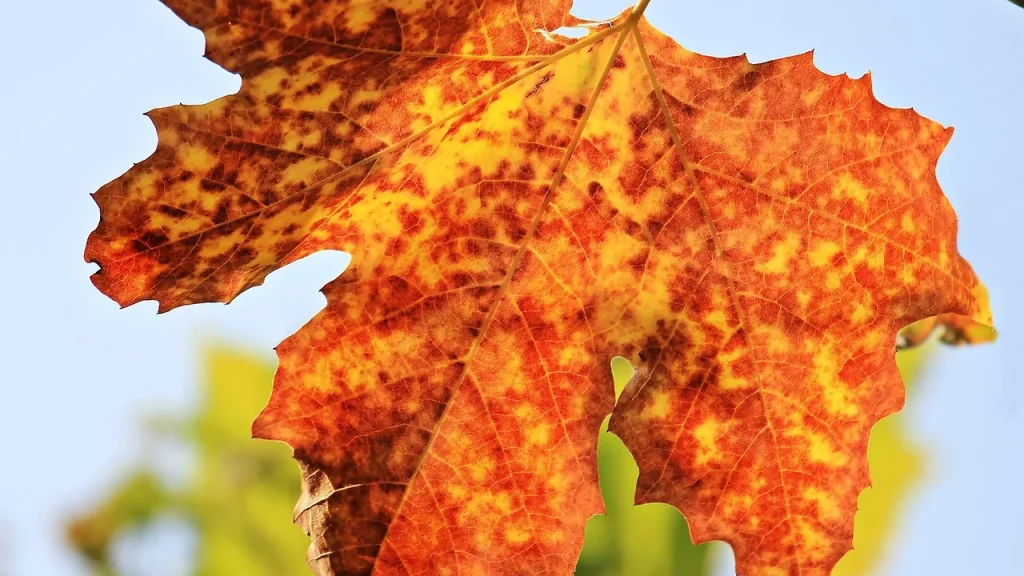
Leaves have stomata, tiny openings that regulate gas exchange. On hot days, keeping stomata open can help cool leaves by letting water evaporate, a process similar to sweating. But when heat is relentless and water is scarce, the leaves shut these pores to save water. That saves moisture today, but it also slows growth over time because the trees aren’t taking in as much carbon to fuel new tissues.
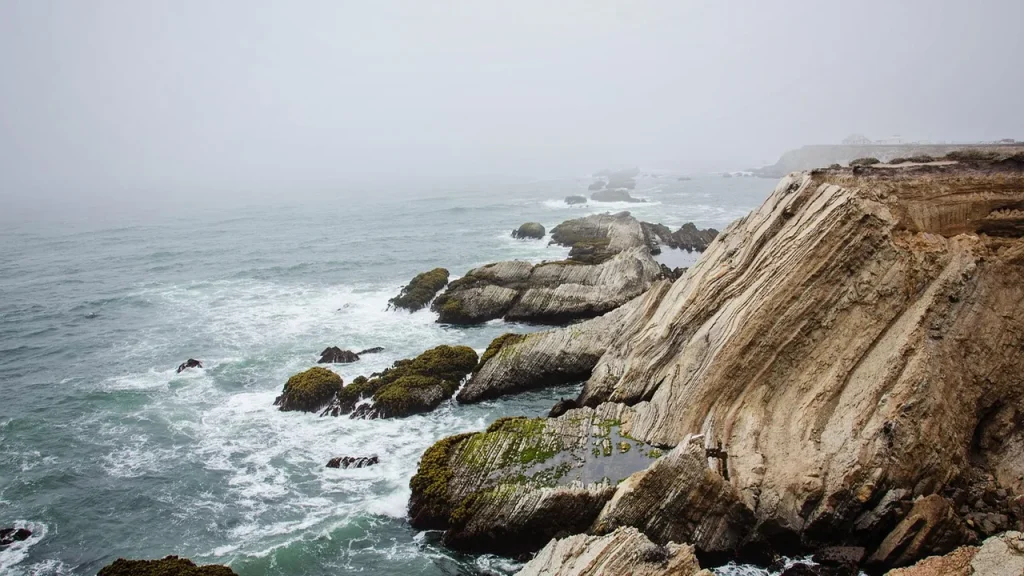
The effect isn’t just about a single hot day. Coast redwoods rely on fog to replenish their water and cool their canopies. Warmer oceans and drier air are thinning that fog layer, which compounds the heat problem for these trees that can reach hundreds of feet tall. Without that fog-based cooling and hydration, researchers say the trees face a kind of carbon starvation that could ripple through the forest ecosystem for years to come.
Why does this matter beyond the trees themselves? Coast redwoods are among the world’s top carbon storehouses per acre, storing large amounts of carbon dioxide in their massive trunks and long-lived wood. If growth slows, these forests could sequester less carbon in the years ahead, potentially feeding back into climate dynamics.
In short, hotter, drier conditions don’t just threaten a California icon. They could erode a natural climate buffer and reshape habitats for species that spend their lives high in the forest canopy. The study’s authors emphasize that this is an early, region-specific signal of broader climate-related stress on forests that rely on precise humidity and fog patterns to manage water and temperature.
01
What the study actually found
Researchers measured leaf photosynthesis twice a month over two years in Mendocino County, focusing on how leaves responded to heat waves. The takeaway: extreme heat pushes leaves toward closing stomata, reducing carbon intake and slowing growth. The researchers note this is an early sign, and it may become more common as temperatures rise.
02
Why fog matters for these trees
The coastal fog layer has long served as a lifeline for these forests, providing both cooling and a water source. When fog becomes less reliable, leaves face higher temperatures for longer periods and must rely more on internal water reserves. That combination makes carbon starvation more likely during heat events.
03
Implications for forests and cities
Beyond the trees, these dynamics can influence forest health, wildlife habitats, and carbon storage. If redwoods grow more slowly, their role as a carbon sink could weaken, at least in the near term, altering forest structure and potentially the local climate effects these forests help deliver.
04
What this means for everyday readers
Most people won’t notice a single leaf in a single trunk, but many will notice changes in California’s forests and the scenery around them. These trees are a public symbol and a major tourist draw, and their health matters for biodiversity and the region’s carbon balance. The study underscores how even long-lived trees aren’t immune to climate change and why protecting forest habitats matters for climate resilience.
Scientists say more long-term monitoring is needed to see how redwoods adjust to hotter, drier conditions and changing fog patterns. The findings provide a baseline for tracking how growth and carbon storage evolve in these forests as climate pressures persist.
06
Quick answers
What caused the heat stress in these trees?
Extreme heat waves and drier air that reduces fog delivery have pushed leaves toward closing stomata, limiting carbon intake.
Why are redwoods important for carbon storage?
They store large amounts of carbon per acre due to their massive size and long lifespans, making their health relevant to climate balance.
What should readers do with this information?
Support and follow forest-health initiatives and climate research in your region, and stay informed about how climate change affects natural carbon sinks.
A Sierra Space project demonstrates a 5- to 10-ton Ghost reentry pod returning supplies to any point on Earth within 90 minutes, as part of a broader space-based logistics concept.