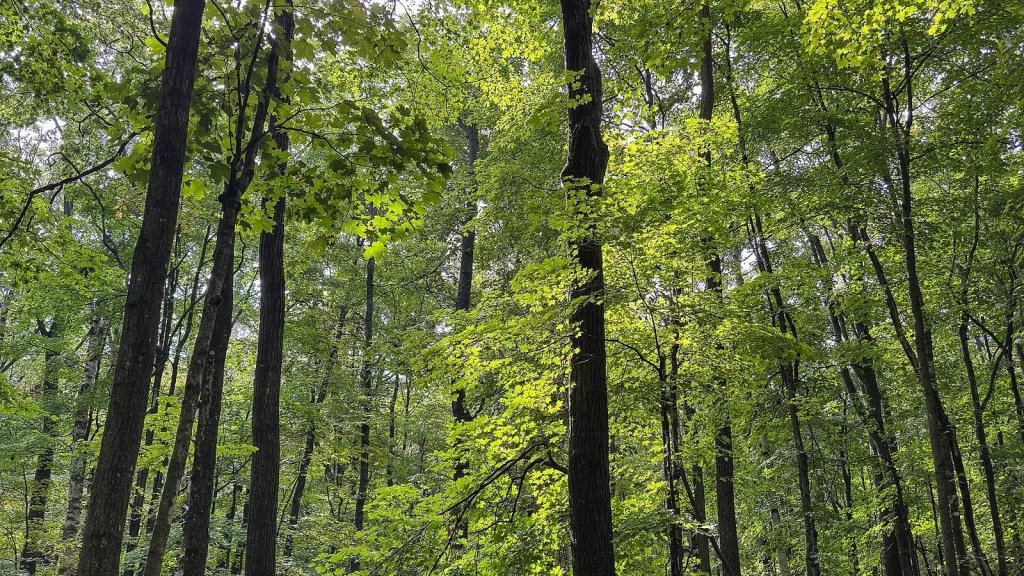
Forest recovery can happen naturally when ecosystems are left to heal, not just through planting one species.
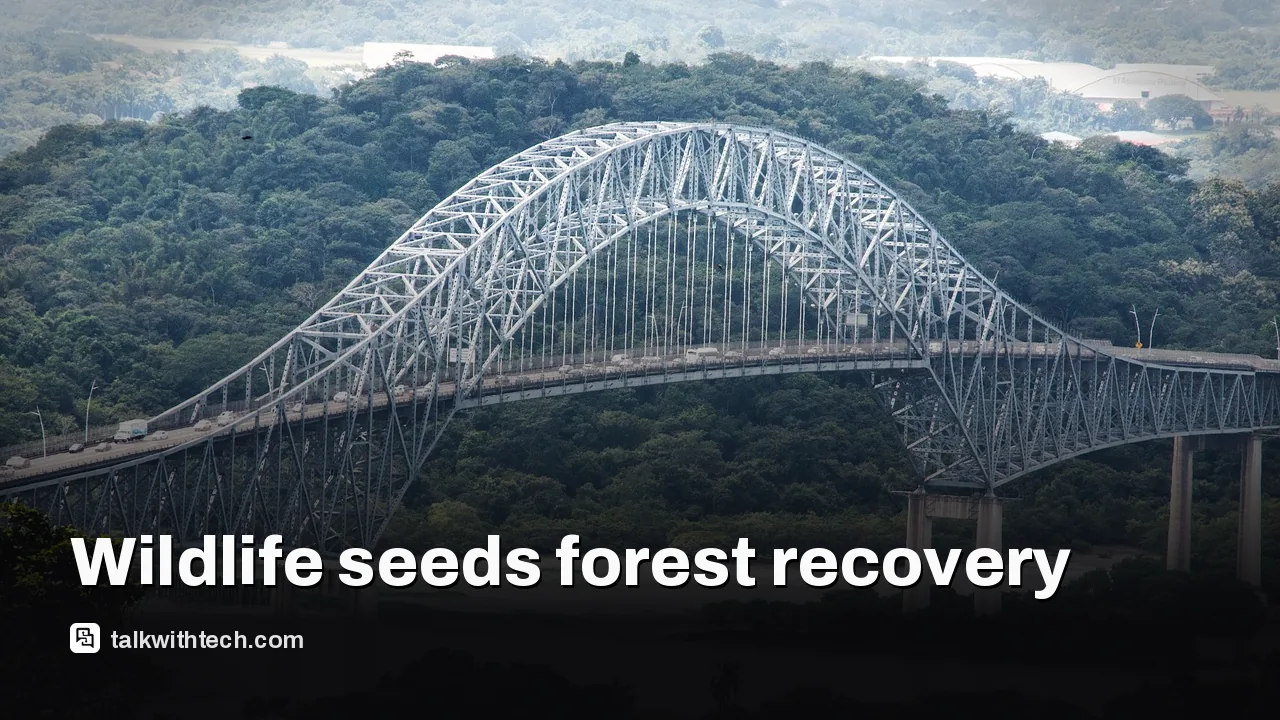
A century of plots in Panama’s Barro Colorado Nature Monument tracks how diverse interactions drive regrowth.
Fruit-eating animals play a major role in dispersing seeds and laying the groundwork for diverse forests.
Quick read · 1 min
A rainforest ecologist is showing that large-scale forest recovery often happens best when nature is left to heal. Daisy Dent maps plots in Panama that trace a forest’s journey from bare ground to a mature canopy, revealing how animal networks disperse seeds and support diverse growth.
The work argues against relying solely on monoculture reforestation. Instead, it highlights the importance of animal relationships and ecosystem diversity for lasting carbon storage and resilience.
What’s next? Researchers will compare decades of data to guide restoration in other tropical regions and inform policies that protect forests while allowing natural regrowth to proceed when possible.
In a remote research station in central Panama, forest ecologist Daisy Dent oversees a long-running experiment: plots that can trace a forest’s life from bare ground to a mature canopy. Some plots date back to the 19th century, and every trunk that rises is measured, mapped, and weighed against the surrounding ecosystem. What she’s uncovering isn’t a single recipe for recovery, but a web of interactions that quietly power forests back to life.
These plots sit at Barro Colorado Nature Monument, a site managed by the Smithsonian Tropical Research Institute. Dent’s work helps explain why tropical forests aren’t simply planted back into place like a garden. Instead, they reassemble themselves through a network of relationships among fungi, seed dispersers, pollinators, and the trees that take root when conditions favor growth. The takeaway is simple in its implication: natural regeneration can be a viable, cost-effective path to restoring forests, especially when it’s allowed to unfold without heavy human intervention.
01
Why these forests recover and how researchers watch them
Dent maps, measures, and tracks each trunk across a sequence of plots that represent different stages of recovery. In one patch, a diverse canopy is near the strength of an ancient jungle; in another, a patch with long-lived trees reveals how regeneration can stall or slow when key players are missing. By following the timelines across plots, she can tell which pieces of the ecosystem matter most to recovery, and when a region might need a hand from researchers or policy makers.
02
Animal architects: who plants the forest in real life
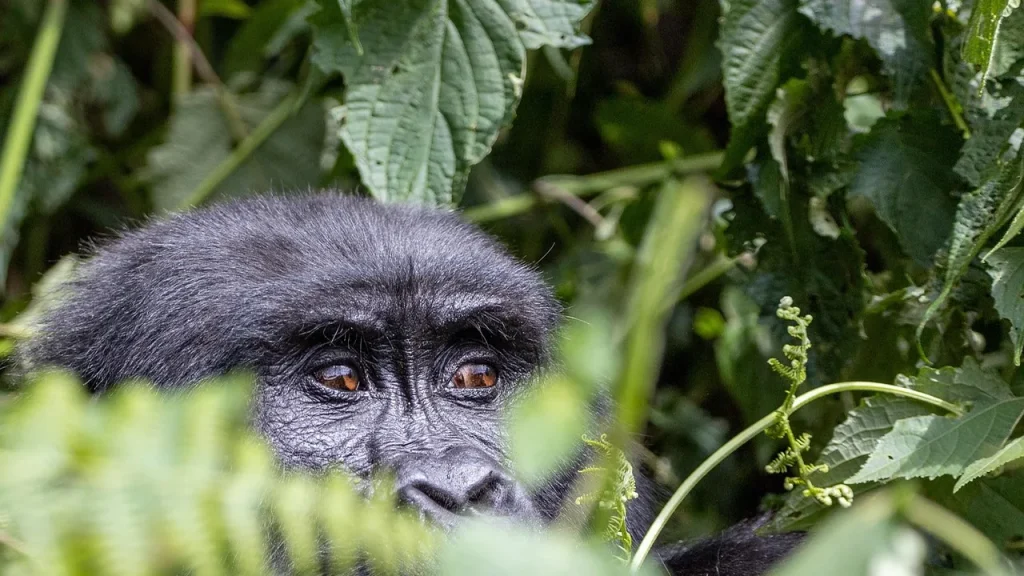
Fruit-eating animals, including bats, parrots, and other frugivores, are responsible for more than 70% of the trees in some regenerating patches. They deposit seeds in nutrient-rich droppings, effectively planting new trees across the forest floor. Dent’s data helps identify which animals contribute to healthy regeneration in specific patches and how their movements shape the forest over decades.
03
Why monocultures can backfire in restoration efforts
The research challenges the idea that restoration should rely on planting a single fast-growing species. In the Barro Colorado plots, patches dominated by a single long-lived species show a different, more fragile trajectory. The work suggests that restoring the complex web of interactions, including both plant and animal partners, can lead to forests that are more resilient and better at storing carbon over time.
04
What this means for policy and everyday climate action
Dent’s findings offer a practical alternative to conventional restoration approaches. If forests can recover naturally in many places, conservation programs might prioritize protecting existing ecosystems and enabling natural regrowth rather than pouring resources into monoculture reforestation projects. The broader message is that nature often knows best how to rebuild when given space and time, and when researchers monitor the process to learn what works where.
Barro Colorado’s century-old plots provide a rich dataset for comparing regenerating forests across time and space. As climate pressures mount and land-use pressures persist, the work will likely inform where and how natural regeneration can be supported at scale, and where active planting remains necessary to kickstart recovery in heavily degraded areas.
06
Quick answers
What exactly is natural regeneration?
Natural regeneration means forests regrowing on their own from existing seeds, sprouts, and plantings that occur without large, active reforestation efforts.
Why is this important for climate goals?
Natural regeneration can be a lower-cost way to increase forest cover and carbon storage if ecosystems are protected and allowed to recover.
What can readers do now?
Support local conservation efforts, protect existing forests, and advocate for restoration programs that prioritize ecosystem diversity over monocultures.
This year’s Antarctic winter brought the sea ice to its 2026 maximum in mid-September, but the extent is still one of the lowest seen in the satellite era.