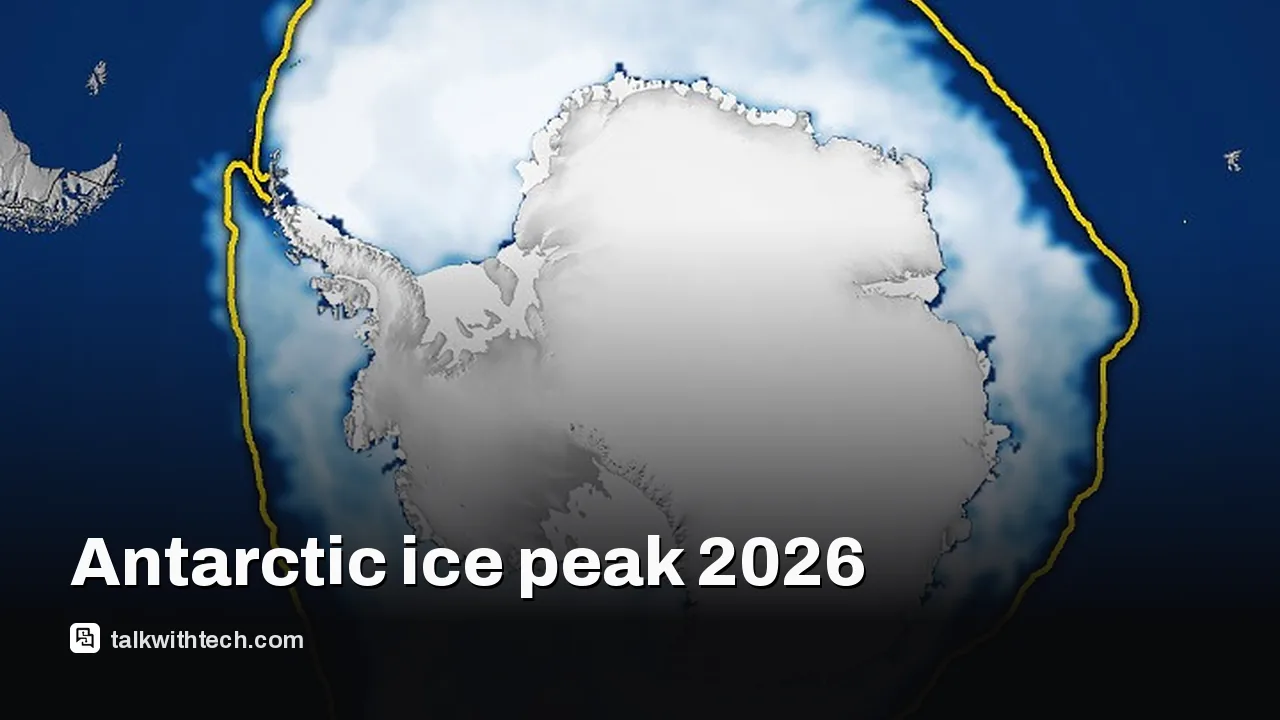
Antarctic sea ice peaked at 17.59 million sq km in 2026
This year’s Antarctic winter brought the sea ice to its 2026 maximum in mid-September, but the extent is still one of the lowest seen in the satellite era.
Talk With Tech Newsroom
The short version
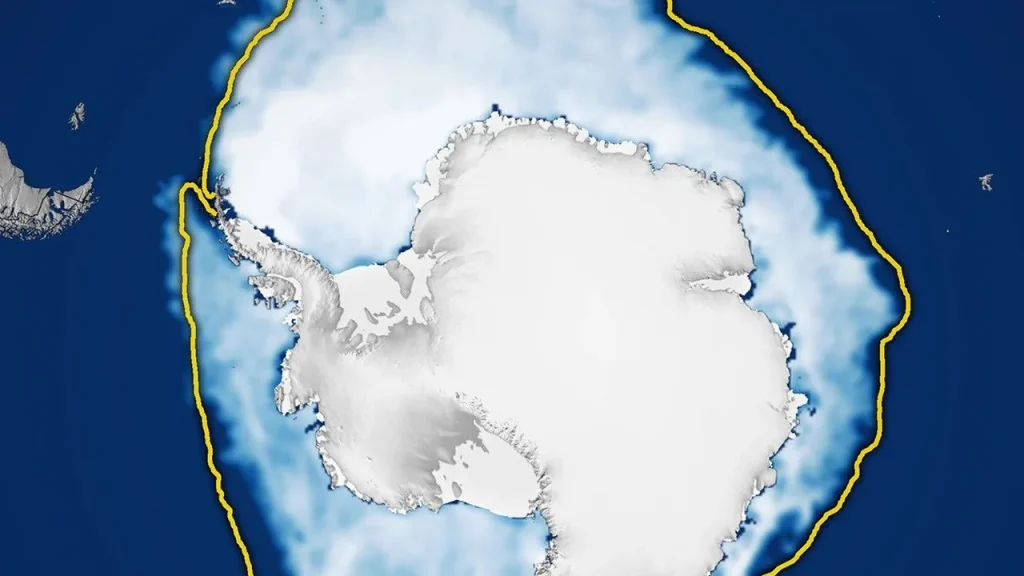
Antarctic sea ice reached its 2026 maximum around Sept. 14, covering about 17.59 million sq km.
It is the third-lowest maximum in the satellite record, underscoring ongoing variability in Antarctic ice.
Scientists track sea ice with passive microwave satellites that can see through clouds and operate year-round.
Quick read · 1 min
Antarctic sea ice reached its 2026 maximum around Sept. 14, totaling about 17.59 million square kilometers. That places it among the lowest maximums on record.
Why it matters to you: Antarctic ice helps regulate global ocean heat and can subtly influence weather patterns across continents over time. Scientists use satellite microwave data to track ice year-round, regardless of clouds or storms.
What happens next: researchers will keep watching ice extent through the Southern Hemisphere winter and compare this year’s numbers with decades of data to understand long-term trends.
This year’s Antarctic sea ice reached its peak extent on or around Sept. 14, 2026, covering about 17.59 million square kilometers. That puts it as the third-lowest maximum in the modern satellite record. The number comes from careful tracking of ice cover using satellite instruments that measure microwave energy, data that helps scientists map sea ice even when clouds blanket the region.
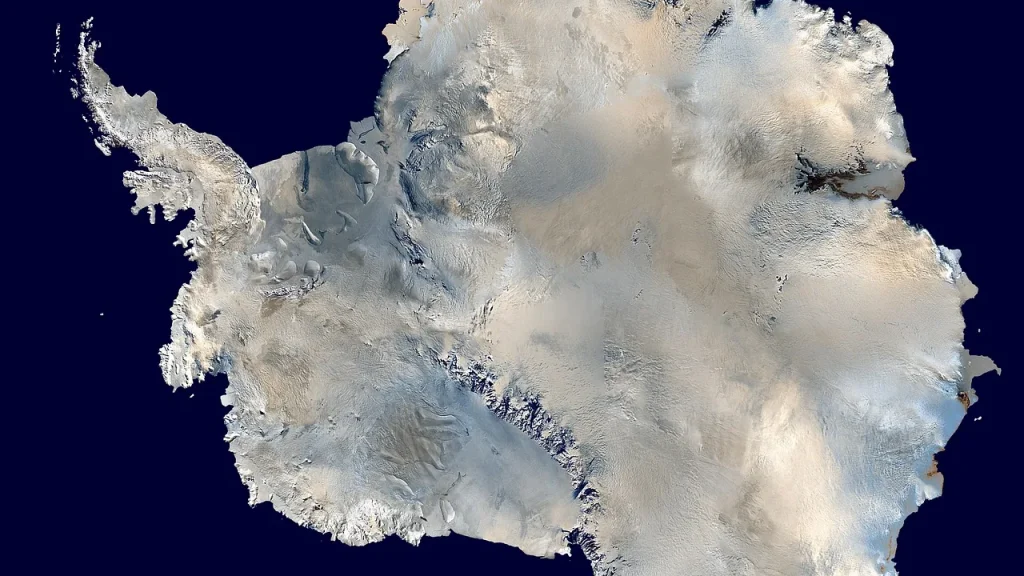
Antarctica sits atop a vast landmass encircled by ocean. In winter, the surrounding seas freeze and ice grows, while in summer the ice recedes. That dynamic leads to big jumps and drops from year to year, unlike the Arctic, where geography creates a different pattern. In the last decade, scientists have repeatedly seen Antarctic ice hover below long-term averages, even as some years show modest rebounds.
To determine the ice edge, researchers analyze areas where ice concentration reaches at least 15 percent. They then add up these regions to get the sea ice extent. What’s notable about this metric is that it relies on microwave data, which can detect ice through clouds and does not depend on clear skies, crucial for a region famous for stormy weather.
This year’s maximum sits in the context of a longer, nuanced picture. Record lows occurred in 2023 for both the minimum and maximum extents, contrasting with a few years of higher ice coverage that followed. Since 2015, Antarctic sea ice has trended below average more often than not, but scientists caution that annual fluctuations are expected and the long-term trajectory remains a topic of intense study.
The broader significance goes beyond cold water and remote coastlines. Antarctic sea ice helps regulate ocean heat, influencing how much warmth stays in the ocean versus how much is released to the atmosphere. Those small shifts can cascade into regional climate patterns and even affect marine ecosystems that depend on stable ice conditions during the winter months.
For people living in other parts of the world, these distant changes matter because they can influence weather patterns, sea levels, and even the timing of storms or droughts years down the line. The science team emphasizes that ongoing observations are essential to distinguish real climate trends from year-to-year noise in a highly variable system.
Looking ahead, researchers will continue to monitor Antarctic ice through the Southern Hemisphere’s winter, when the ice tends to grow again. They will compare 2026 data with decades of measurements to tease out longer-term shifts from normal variability. The coming years will help scientists understand whether the recent pattern of lower maximum extents becomes a persistent feature or stays as a series of exceptions.
In short, while 2026 produced a relatively small peak in Antarctic sea ice, the longer tale is still unfolding. The data feeds into bigger questions about how the planet’s oceans and climate are changing, and it reminds us that even at the bottom of the world, ice tells a story that reaches far beyond the ice itself.
A Sierra Space project demonstrates a 5- to 10-ton Ghost reentry pod returning supplies to any point on Earth within 90 minutes, as part of a broader space-based logistics concept.