WordCraft may cut your Office bill with free AI tools
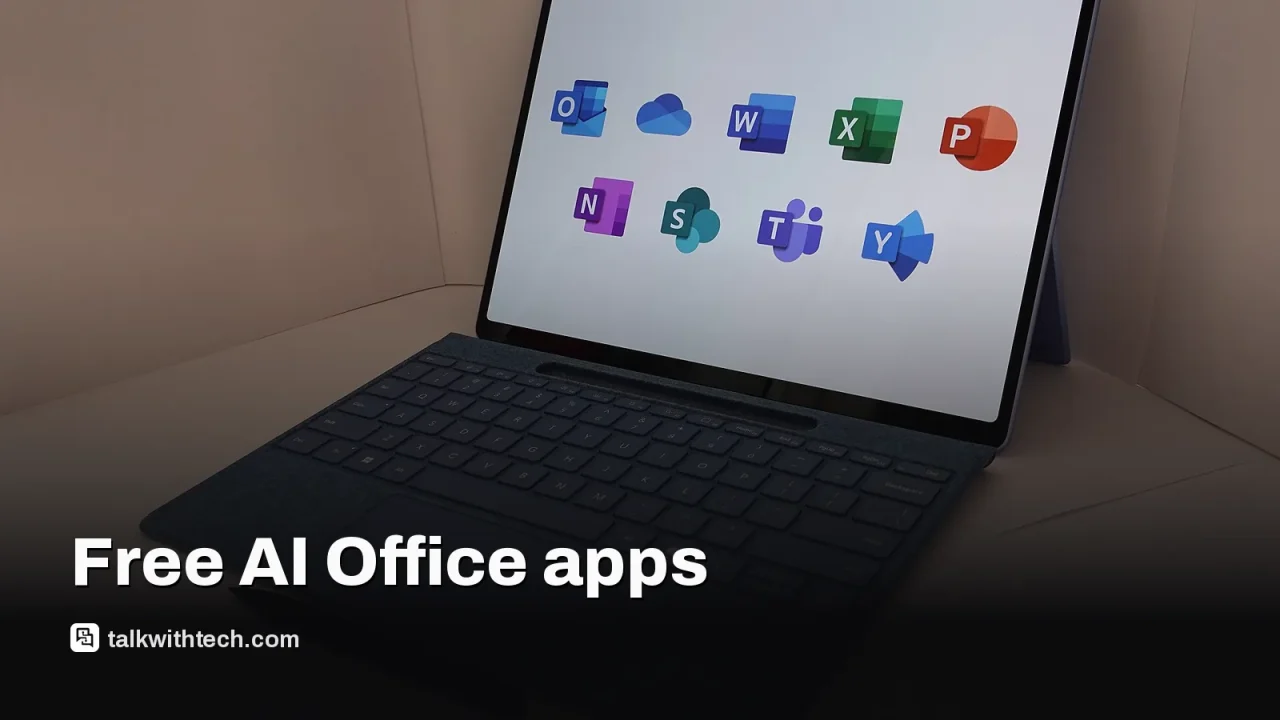
A single developer is releasing WordCraft, DeckCraft and GridCraft as free, AI-powered stand‑ins for Microsoft Word, PowerPoint and Excel, part of the ArtCraft open‑source project that also recreates Adobe’s Creative Suite.
An independent developer released WordCraft, DeckCraft and GridCraft as free AI-powered stand-ins for Microsoft Word, PowerPoint and Excel.
These apps are part of the larger ArtCraft project, which also includes open-source recreations of Adobe’s Creative Suite under a similar AI-driven approach.
Proponents argue AI-generated, no-cost tools could spur competition and lower costs, while critics raise concerns about cybersecurity, licensing, and the long-term viability of open-source replicas.
Quick read · 1 min
A developer behind the ArtCraft project has released WordCraft, DeckCraft and GridCraft as free, AI-powered duplicates of Microsoft Word, PowerPoint and Excel. They join AI-created tools that mimic Adobe’s Creative Suite, all offered as open‑source options. The move sparks questions about whether free AI tools can rival paid software in reliability and security.
For everyday users, the question is simple: can you rely on these tools for real work, and when will they be ready? There are no official release dates or support details yet, so treat them as early‑stage options while you watch for updates and community feedback.
A fresh wave of AI-assisted software is stirring debate about the dominance of paid office suites. An independent developer behind the ArtCraft project has rolled out WordCraft, DeckCraft and GridCraft, aiming to imitate the core functions of Microsoft Word, PowerPoint and Excel. These tools are being released as free, open-source alternatives designed to work much like their Microsoft counterparts, but without the traditional subscription price tag.
WordCraft, DeckCraft and GridCraft sit within a broader lineup that includes AI-crafted duplicates of Adobe’s Creative Suite such as PhotoCraft, FilmCraft, DesignCraft, EffectCraft, PdfCraft, VectorCraft and LightCraft. The creator describes this family of tools as an AI-generated mirror to widely used, paid software, built to give users viable no-cost options for everyday tasks like document editing, presentations and data spreadsheets.
With the AI‑driven approach, supporters see a pathway to more affordable, customizable software that can be tailored to individual or small-team needs. They point to the open-source nature as a potential driver of rapid improvement and community contributions. Critics, however, warn about several red flags. AI-generated code can introduce security risks if not properly audited, and there are questions about how closely these tools adhere to the licensing and terms of the original software they imitate. Some observers also wonder whether such projects can maintain a level of polish and feature parity with mature products as they scale.
For everyday users, the big questions are practical ones: How ready are WordCraft, DeckCraft and GridCraft for real work? When will they be fully supported? And what happens if you encounter bugs or a data loss problem? So far, the project has not disclosed official release dates, formal support channels, or a roadmap, which means you should approach these tools as experimental options rather than a drop‑in replacement for your current office suite.
What this signals to readers is a broader shift in how people might approach productivity software. If enough developers contribute, AI-assisted, no-cost tools could chip away at the subscription models that dominate productivity and creative software today. That could put pricing pressure on established players, especially for casual users and students who want reliable, capable tools without ongoing payments. At the same time, it raises practical concerns about compatibility with existing document formats, cloud storage options, collaboration features, and data privacy, all things most everyday users rely on in their day-to-day work.
Bottom line: WordCraft, DeckCraft and GridCraft are interesting to watch, but there are no guarantees they will become reliable, long-term alternatives. If you’re curious, keep an eye out for official announcements from the ArtCraft team and be mindful of the potential risks associated with early-stage, AI-driven software that is still evolving in public view.
Apple introduces built-in Distraction Control in Safari to help you focus by hiding distracting elements and remembering to keep them hidden on future visits.
Google’s Fitbit Edge fuses the minimal screenless design of the Fitbit Air with the Pixel Watch 5’s display and features, offering GPS, ECG, Health insights and a week-long battery.
3 min read
We use cookies to understand how readers use Talk With Tech, so we can make it better. Is that OK? Privacy policy
The Daily Brief
Today's biggest tech stories, in 5 minutes
Every morning, the news that matters from AI, phones, apps and the people shaping tech. Explained in plain English. Free.
One email a day. No spam, unsubscribe anytime. Privacy policy