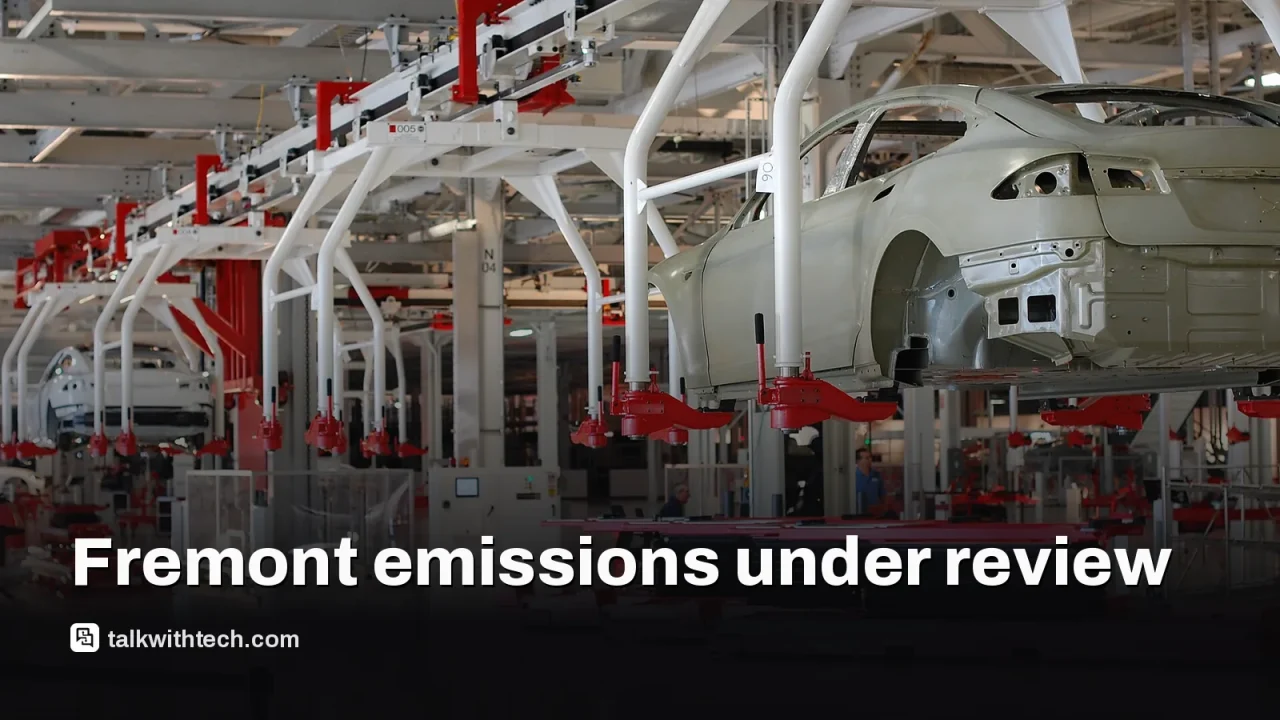
Parents near the Fremont car plant want more time to review a proposed emissions plan.
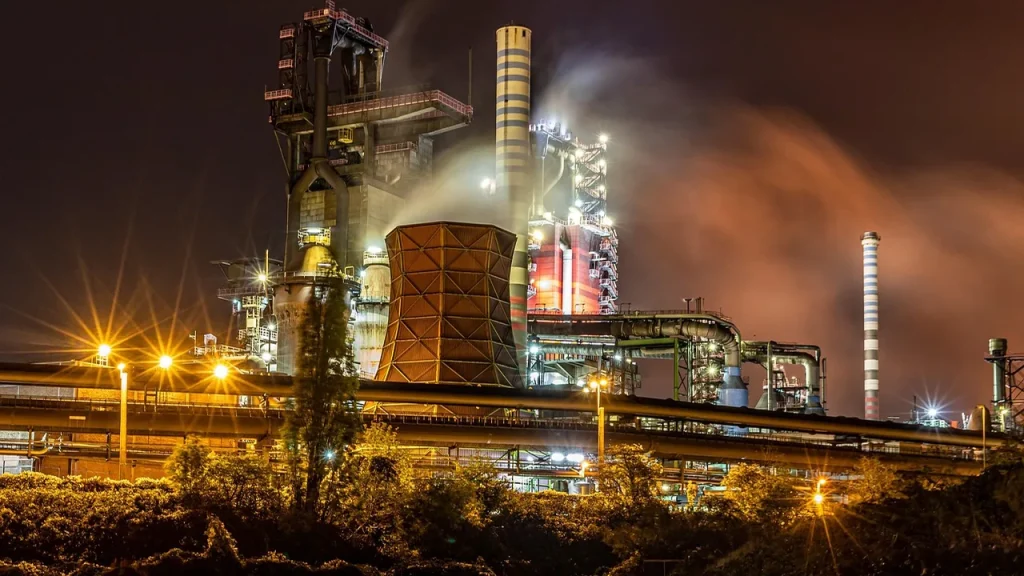
The plan would adjust limits for nitrogen oxides and add equipment to reduce pollutants from aluminum furnaces.
District says redactions are for trade secrets and that continuous monitoring would verify compliance.
Quick read · 1 min
Tesla wants to change its Fremont emissions plan, adjusting limits for two aluminum furnaces and adding equipment to lower nitrogen oxide pollutants. The district says the changes stay within allowed limits and will be checked continuously, but nearby parents say the initial notice wasn’t clear and they want more time to comment. The discussion reflects ongoing concerns about air quality near the plant and the local elementary school.
Next steps depend on public feedback and regulator review. If you live nearby, watch for new notices from the Bay Area Air District and your school district for any extended comment periods or meetings.
Public comments and monitoring data matter for understanding impact
Updates may come if regulators ask for more information
Stay informed through district channels
Tesla has filed changes to its emissions plan for the Fremont, California, factory, a move that has drawn questions from families living near the site. The proposal, submitted to the Bay Area Air District, would modify emission limits for two aluminum melting furnaces and add equipment aimed at lowering nitrogen oxide emissions. A notice about the plan reached the school community in early September through the district’s app, but parents say the message didn’t clearly state whether emissions would increase or decrease.
Parents are asking for more time to comment, arguing the notice left important details unclear. One parent described the communication as “sort of obfuscating,” and a local Substack post on Oct 1 helped surface questions about the scope of the changes. The district says it must redact some documents to protect trade secrets but will review the materials for accuracy and allow ongoing public input.
Regulators say the changes would still operate within permitted limits, and the district plans continuous monitoring to ensure compliance. The specifics of how much any emission class could rise or fall aren’t fully disclosed in public materials, and the final public comment deadline has not been reannounced in this report.
Tesla did not respond to requests for comment about the plan or its potential impact on air quality. The company has faced prior investigations tied to emissions reporting at the Fremont site, which adds context to this push for transparency from residents and officials alike.
For families near busy industrial sites, this kind of plan matters because it can influence air quality on days when kids are commuting to school or playing outside. California regulators require ongoing monitoring and public input to ensure changes stay within safe limits, a process that remains the center of this debate.
01
What changes are being proposed
The filing describes adjusted emission limits for two aluminum furnaces and the addition of equipment designed to lower nitrogen oxide levels. Exact numbers aren’t fully disclosed publicly due to redactions deemed trade secrets, but the aim is to reduce pollutants while updating measurement and reporting methods.
02
Why families are paying attention
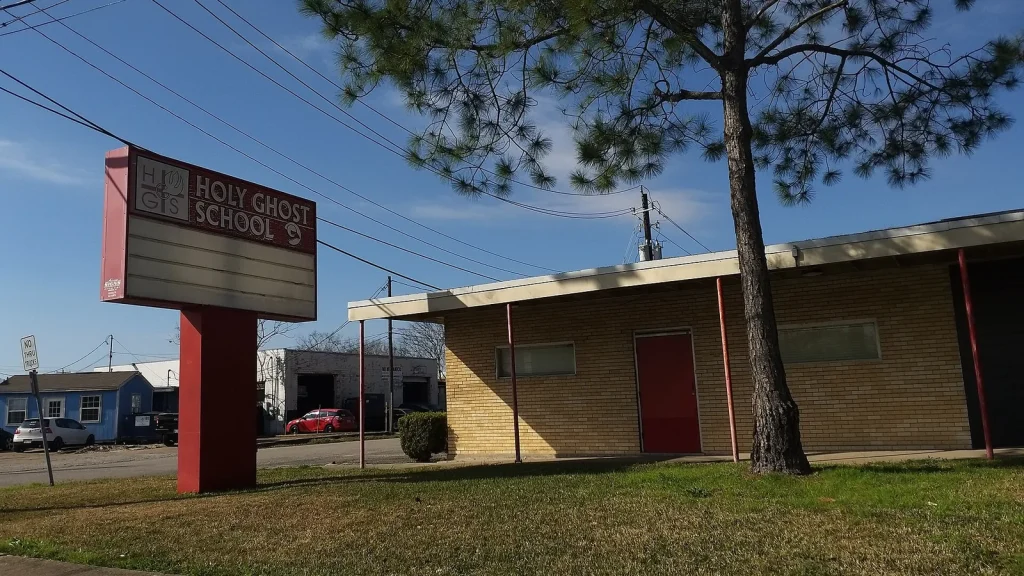
The plant sits near homes and a elementary school, so any shift in emissions can affect daily life. Ongoing monitoring is meant to reassure communities, but residents want transparent data and a clear timeline for any further action.
03
Official responses and the regulatory backdrop
District officials say the plan stays within regulatory bounds and will be checked continuously. They acknowledge the need to balance facility upgrades with protecting public health and note that some documents must be redacted to protect trade secrets. Tesla hasn’t commented on the plan publicly in this report, and past investigations into emissions reporting at the site keep the conversation under close scrutiny.
04
What this means for you
If you live near a large factory, it’s reasonable to expect clear information about how emissions may shift and what monitoring data shows. Public input can shape how regulators interpret limits, so staying engaged matters for communities around Fremont and similar sites.
The public comment window is not reannounced here, but residents should watch for new notices from the Bay Area Air District and the school district. Regulators could request more information or extend comment periods if concerns persist.
06
Quick answers
Will emissions go up or down with this plan?
The plan proposes updated limits and new equipment to cut pollutants, but exact changes aren’t fully disclosed yet.
How can families participate?
Look for district and air district notices, and submit any extended comment requests or questions during offered public input periods.
Review the air district documents when they’re posted
Attend any public meetings if available
Ask for plain-language summaries of data and monitoring results
A Canadian software engineer built a camera that tracks police vehicles using license plate data, drawing attention from local police and reigniting privacy debates around automatic license plate readers.
2 min read
We use cookies to understand how readers use Talk With Tech, so we can make it better. Is that OK? Privacy policy
The Daily Brief
Today's biggest tech stories, in 5 minutes
Every morning, the news that matters from AI, phones, apps and the people shaping tech. Explained in plain English. Free.
One email a day. No spam, unsubscribe anytime. Privacy policy