Mechanical keyboards remain popular among writers and desk workers who value typing feel and aesthetics.
Keychron, a longtime name in the space, has expanded with a range of models from budget to premium.
Prices vary widely, with options around $60 and premium builds around $200.
The appeal lies in simple setup, customization options, and distinctive keyboard acoustics.
Quick read · 1 min
Mechanical keyboards remain popular for their tactile feel and simple setup. Brands like Keychron offer models ranging from about $60 to $200 for premium builds such as wood-bodied keyboards with backlighting. The appeal is customization and the satisfying click that many writers love. If you type a lot, a mechanical keyboard could boost comfort and desk style. Expect more options to roll out as brands chase both affordability and premium materials.
Mechanical keyboards aren’t just for keyboard snobs. A recent take on the scene highlights why these devices endure: they’re simple, tactile, and can make long days at the desk a lot nicer. The focus is on keyboards that you can unbox, plug in, and start typing with, whether you want a minimalist setup or a more characterful look.
Keychron, a name that first rose to prominence through a Kickstarter years ago, is still one of the most visible brands. The company has released dozens of keyboards and keypads since then, and the line now includes options at different price points and with different connectivity choices. For many buyers, the basic USB version gets the job done, while Bluetooth models suit a clean, wireless setup.
Among the newer options is a model described as the K8 HE Wireless Magnetic Switch Custom Keyboard. It stands out for its all-wood body and LED backlight. It’s notably more expensive than entry-level options, with a price around $200. If you’re just looking to dip a toe in, the classic K2 remains a favorite, and a typical K2 kit is listed around $60.
There are also specialty releases for enthusiasts. Some keyboards in the line are designed with a gamer focus, such as compact, one-handed variants that emphasize speed and a rugged aesthetic. For many buyers, though, the draw isn’t just the tech specs; it’s the feel of the keys, the ability to swap keycaps, and the sense that your desk reflects your personal style.
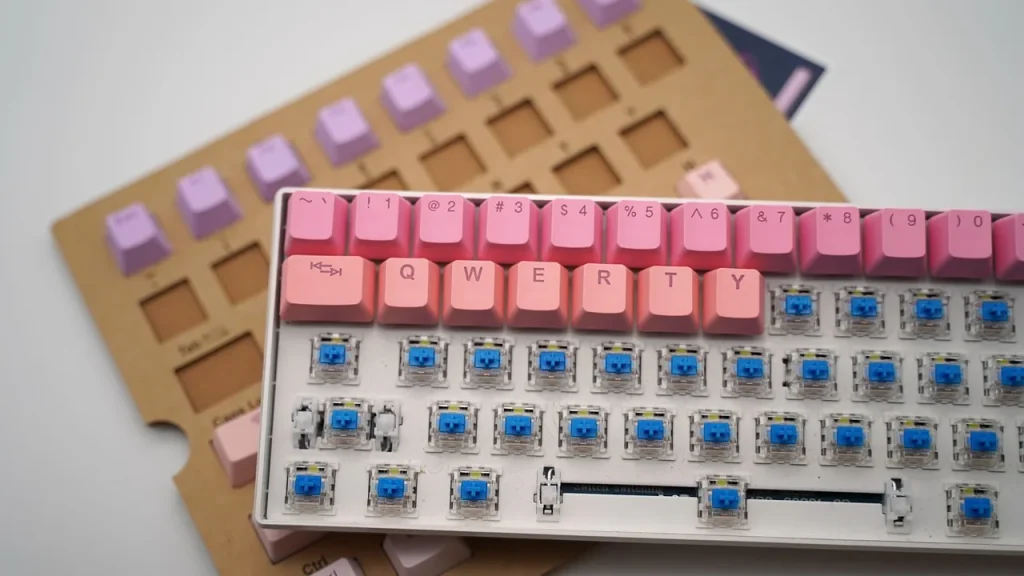
One big selling point is versatility. You can swap keycaps, try different switches, or customize the lighting to fit your mood or workspace. And while the sound of clacking keys isn’t for everyone, many people actually like the audible feedback, it’s become part of the experience, and even gets a place in ASMR-style videos for some fans.
Beyond the look and sound, the practical side matters too. Mechanical keyboards can be easier to repair or upgrade than all-in-one laptops for writers and coders who spend a lot of time typing. For people building out a home office, the appeal is clear: a device that’s both functional and a bit expressive without breaking the bank.
01
What it costs and where the value shows up
Price is a simple barometer in this space. A basic, reliable keyboard from the Keychron lineup can be about $60, which makes it accessible for most readers who want a tactile upgrade without a big investment. On the higher end, premium builds with materials like an all-wood case, backlighting, and more elaborate switches can push toward $200.
02
What makes this hardware different from a standard keyboard
The main distinction is the mechanical action behind every key press. Each key uses its own switch mechanism, which can offer a more tactile and satisfying feel than typical membrane keyboards. Enthusiasts often highlight the customizable nature of these devices, from swapping switches to changing keycaps to fine-tuning typing angles.
03
What this means for everyday users
If you spend a lot of time typing, a mechanical keyboard could reduce fatigue and make typing more enjoyable. The bikeshed decision about which switches or layout to pick is less important than the basics: a comfortable angle, reliable connectivity, and a setup that motivates you to work or write. For desk aesthetics, these keyboards can also add a bit of personality, especially when paired with a matching desk kit or custom keycaps.
04
What happens next
The market will likely keep offering a mix of affordable and premium options, with brands refining materials and switch options to widen appeal. If you’re curious, start small with a budget model to test whether you prefer a tactile feel, then decide if you want to upgrade to a more elaborate build or stick with a solid budget pick.
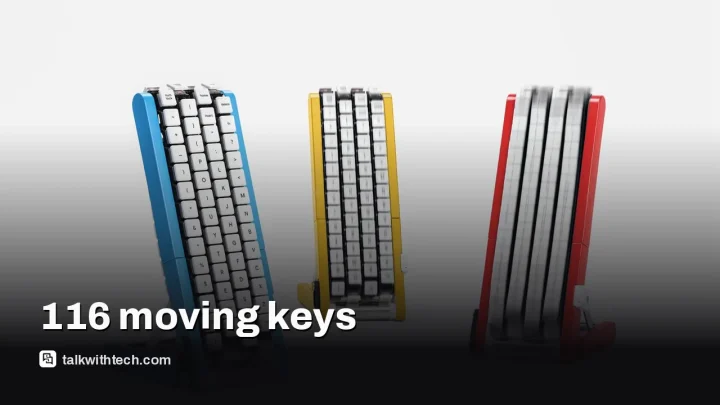
Google Japan’s Gboard team reveals a DIY conveyor-belt keyboard with 116 keys that glide toward the user, designed for one-handed typing and open-source playfully serious.