Tuesday, 13 October 2026

Mia Goth Instagram AI image exposes gaps in Meta’s labeling rules

Actress Mia Goth says it’s incomprehensible that Instagram allowed an AI-generated image of her to circulate, highlighting how platforms handle AI likenesses.

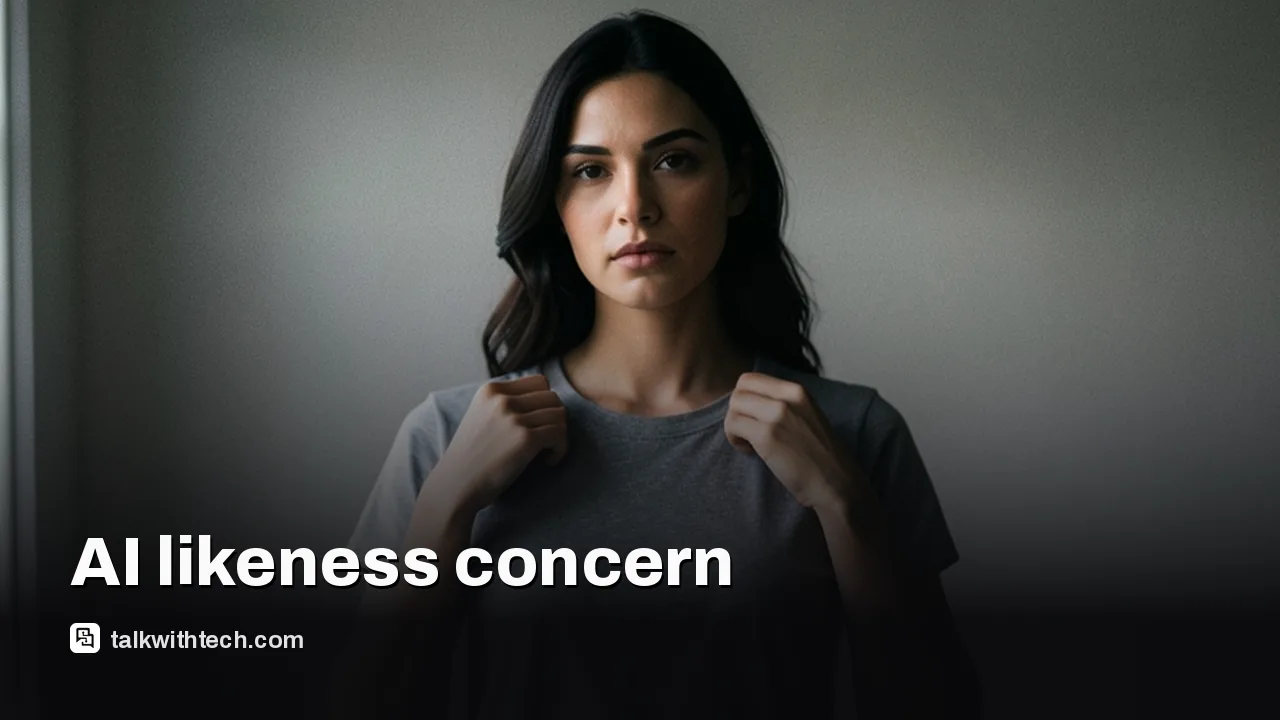
Actress lookalike in plain T‑shirt adjusting collar in studio, soft window light.

The short version

  • An AI-generated image of actress Mia Goth circulated on Instagram, labeled as from a fan account.
  • Goth and her representatives say Instagram allowed the image to spread and have asked for the account to be removed.
  • Meta’s policy currently labels AI content but does not require labels for still images featuring real people.
Quick read · 1 min

A photorealistic AI image of Mia Goth circulated on Instagram, fueling a debate about how platforms handle AI likenesses. Goth’s representatives say Instagram allowed the image to spread and they’ve asked for the posting account to be removed. The episode highlights the risk of fast-spreading AI-generated content and the need for clearer labeling on social networks. What this means for you: be cautious about what you share, and check for transparency around AI-created posts. Expect platforms to continue updating rules on AI imagery in the coming months.

What to do now: monitor platform labeling policies, report deceptive posts, and consider the ethics of sharing AI-generated content involving real people.

  • Verify sources before resharing
  • Look for explicit AI labels
  • Report suspicious posts quickly

The trouble started when an Instagram account named miagoth_ shared a photorealistic image of Mia Goth in a shirt that suggested she was commenting on her divorce. The image spread across the web, drawing attention from fans and media alike before Goth’s representatives confirmed it was AI-generated and that they had asked Instagram to take down the verified fan account that posted it. Goth herself called the situation incomprehensible, arguing that the platform should better protect a public figure’s likeness.

01

What happened, exactly

A post from a fan account with a blue verification badge circulated widely. The image appeared to show Goth wearing a T-shirt with bold text, and it was shared across multiple social networks. Goth’s representatives later clarified that the image was not real and that the account behind it had been asked to remove the content, with the account eventually disappearing from Instagram. The episode underscores ongoing tensions between AI-generated media and the way social platforms moderate what users see and share.

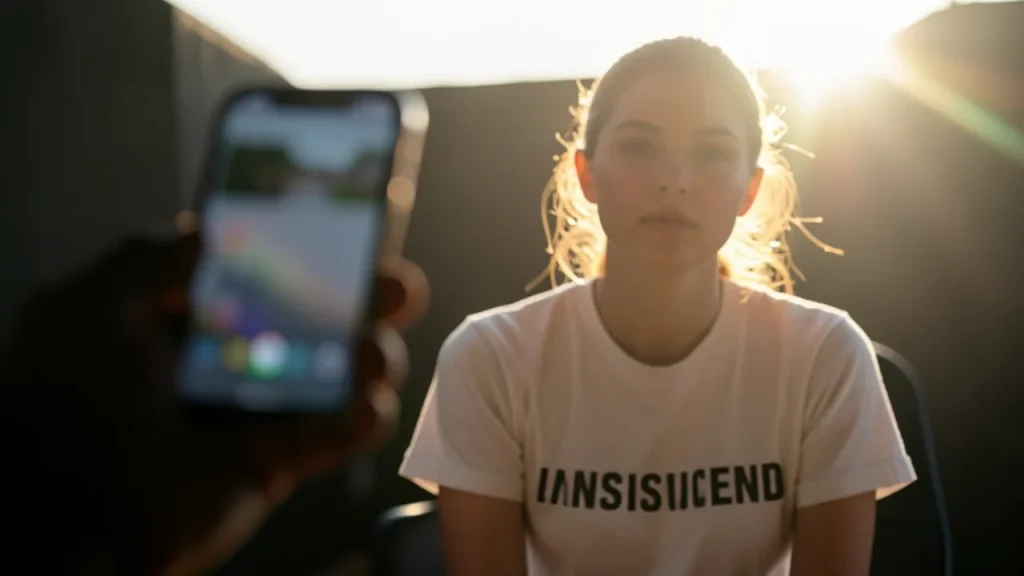
Silhouetted hand with phone out of focus, actress lookalike seated in T‑shirt backlit.
02

Why this matters to everyday users

AI-generated imagery can look convincing, especially on platforms that don’t require explicit labeling for every still image featuring real people. This matters for everyone who uses social media, because it blurs the line between what’s real and what’s created. It also raises questions about consent, fame, and how quickly a single post can spread, potentially influencing opinions, beliefs or even personal decisions about relationships or public statements.

03

What platforms are saying and doing

Meta has rules about labeling AI content, but the line between labeled posts and clearly fake imagery remains murky. In this case, the post was AI-generated and circulated under a verified badge for a fan account, which can mislead some viewers into thinking the content is official or endorsed. Goth’s team says Instagram did not prevent the image from spreading quickly and that they have requested removal of the account. Meta has previously indicated AI-generated content will be part of how users engage on its platforms, with certain types of AI content requiring labeling.

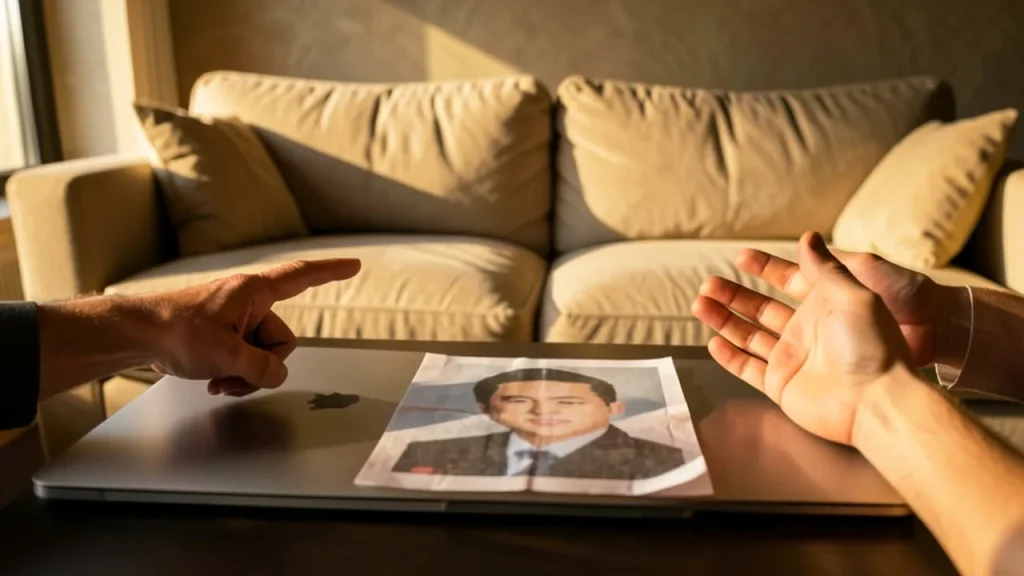
Living room table with closed laptop, blurred portrait printout and two pairs of hands debating.
04

What this means for your online life

If you post or re-share images that could be AI-generated, expect greater scrutiny from followers who may question authenticity. Social platforms are still adapting rules about deepfakes, likeness rights, and how to tag content so viewers aren’t misled. For public figures and their teams, it’s a reminder that a single viral image can reach millions in a matter of hours, making quick action and clear communication essential.

05

What happens next and what you can do now

Watch for ongoing discussions about how social platforms label AI-generated media and guard against impersonation. If you’re worried about how your likeness could be used, keep an eye on a platform’s labeling policies and report anything that seems to impersonate you or misrepresent you. For creators and fans, this is a nudge to think about consent and the ethics of using someone’s image in AI art or memes without permission.

06

Quick answers

Was Mia Goth hacked or harmed by a real person?

No. The image was AI-generated and circulated as if it were authentic.

Is the post still on Instagram?

The account behind it reportedly posted the image and has since been targeted for removal, but availability can change as platforms enforce policies.

What should I do if I see AI imagery of someone I know?

Check the source, look for labels, and report anything that seems deceptive or impersonating. Share responsibly and avoid amplifying unclear content.
You're reading the quick version.