Speed is the headline. In everyday use, testers describe the 12 Pro as the fastest Android phone they have handled, with app switching and animations that never stutter. In Geekbench tests, one reviewer found it far ahead of Google’s Pixel phones on multi-core work and narrowly ahead of the iPhone 18 Pro Max there, though the iPhone still wins single-core.
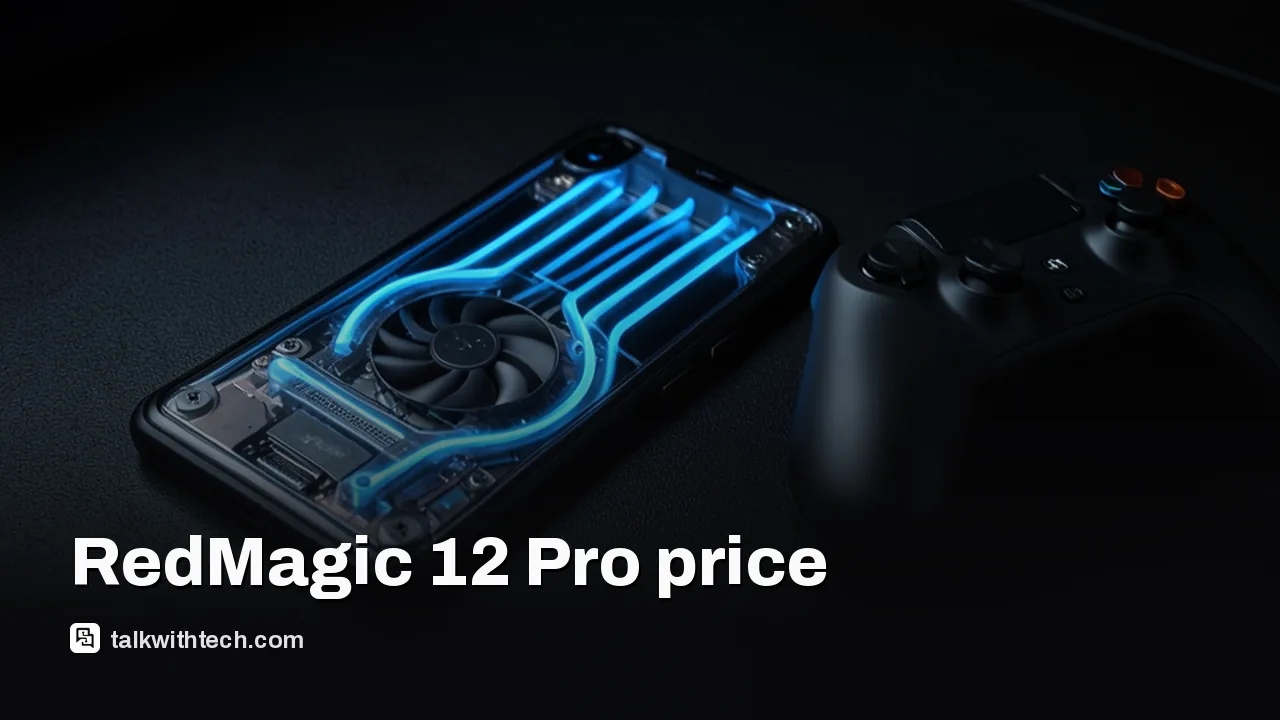
Gaming is where the fan and liquid cooling earn their keep. Most phones slow down after half an hour of heavy play as they heat up, a process called throttling. In one test, Monster Hunter Outlanders ran at a locked 60 frames per second for over an hour with no drops, and the battery fell just 10% in that time. A Steam game played through the phone’s built-in emulator averaged 72 frames per second at top settings, about twice what other recent Snapdragon phones managed.
It isn’t magic, though. In a 20-minute 3DMark stress test, the score slid from 2065 to 1169, a 43% drop. That is similar to how a phone with no fan behaves, which suggests the new Qualcomm chip runs very hot. Even so, its worst score matched the best that a Galaxy S26 Ultra could post. The phone reached 50C during testing.
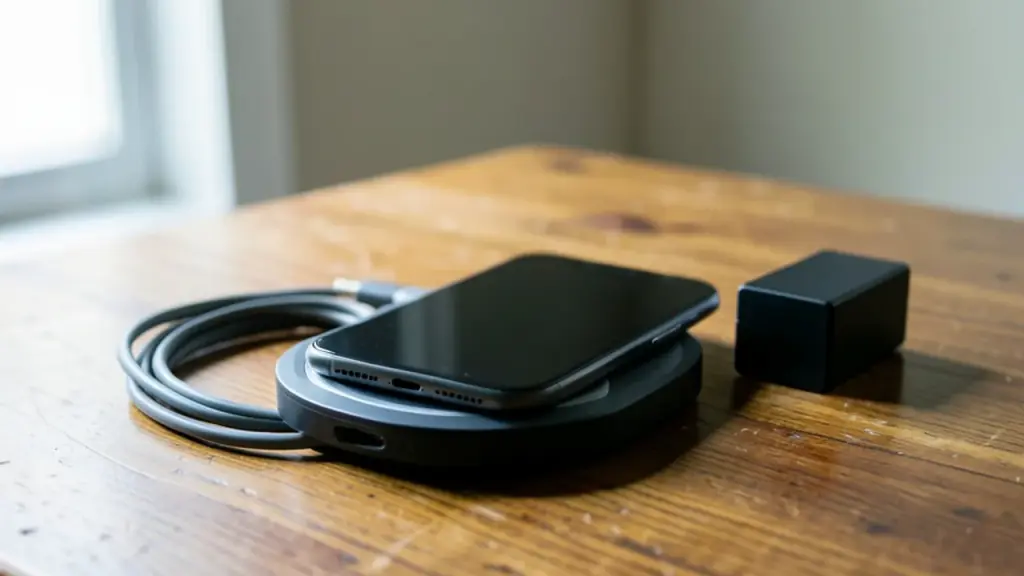
Battery life is the biggest upgrade. With 8,400mAh inside, reviewers say a light user could go days between charges. The global model charges at 80W both with a cable and wirelessly. (The Chinese version, sold as the 12 Pro+, charges at 120W with a cable.) Bypass charging is supported too, which powers the phone straight from the charger during long sessions so the battery doesn’t heat up.
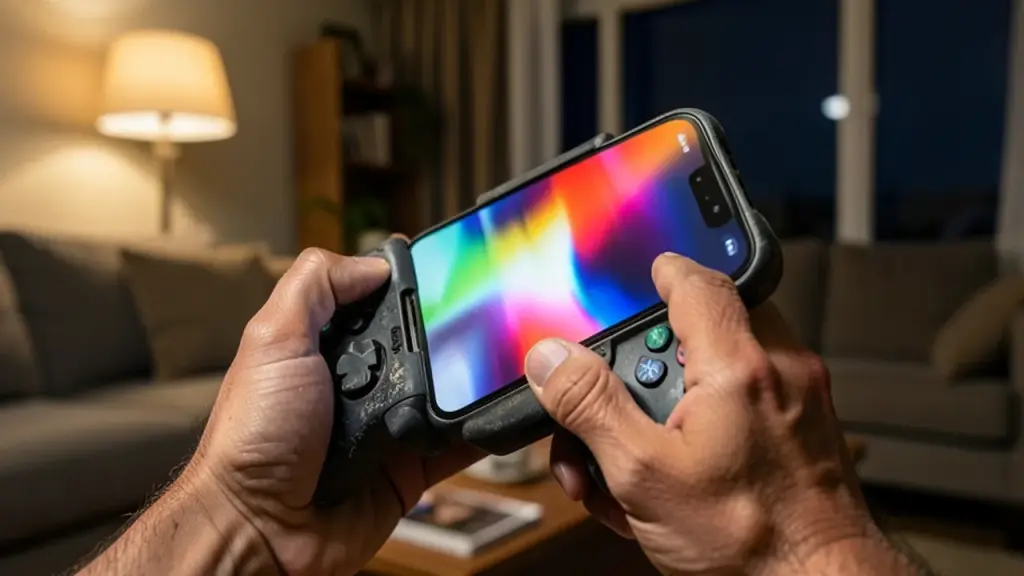
Gamers also get two touch-sensitive shoulder triggers you can map to on-screen buttons, a red key that opens the game launcher, and Steam access built into that launcher. Steam support is hit and miss: one tester found Hogwarts Legacy ran well at medium settings, while another title wouldn’t start at all.