Helix Carbon proposes cleaning up blast-furnace exhaust and turning part of it into carbon monoxide to help iron production with less coke.
The system uses an electrolyzer to convert exhaust gases into carbon monoxide that re-enters the furnace, enabling on-site chemistry without full furnace replacement.
Early estimates suggest about $14 in savings per ton of iron, though results depend on specific plant setups.
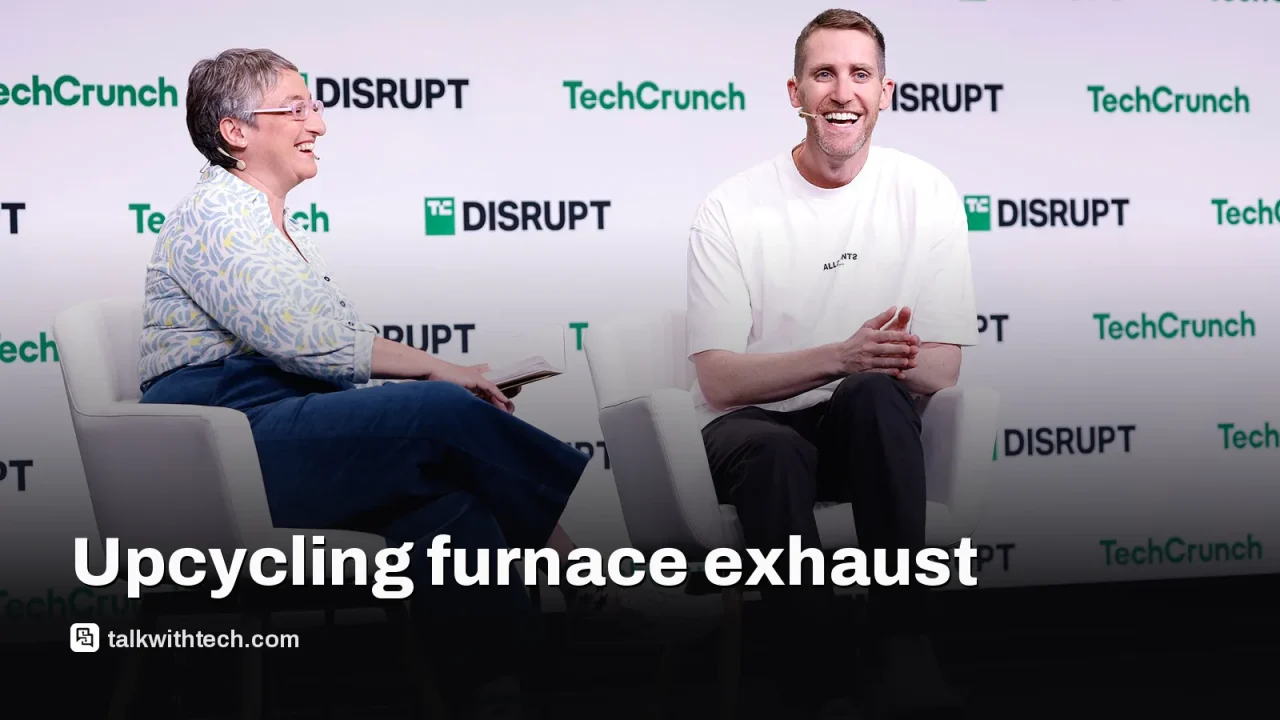
The company presented its approach at TechCrunch Disrupt in San Francisco, aiming to spark pilots in real-world plants.
Quick read · 1 min
Helix Carbon pitched a plan to cut coke use and emissions by turning blast-furnace exhaust into carbon monoxide that feeds back into the iron-making process. An on-site electrolyzer handles the exhaust, aiming to improve margins while shrinking pollution.
The approach would let steelmakers run with less coke if pilots prove durable and economical. Real-world tests are the next step to confirm the idea in harsh industrial conditions.
What it means for you: if it scales, steel could become a touch cheaper and cleaner. The timeline hinges on pilot outcomes and wider industry adoption.
Pilot deployments will show viability
Durability in harsh exhaust conditions is key
Wider use could affect prices and emissions
Helix Carbon is pitching a practical path to cleaner, cheaper steel by rethinking what comes out of the blast furnace. The startup unveiled its approach on Oct 13 at TechCrunch Disrupt in San Francisco, arguing you don’t have to replace aging furnaces to cut pollution. Instead, you clean up the exhaust and feed part of it back into the iron-making chemistry.
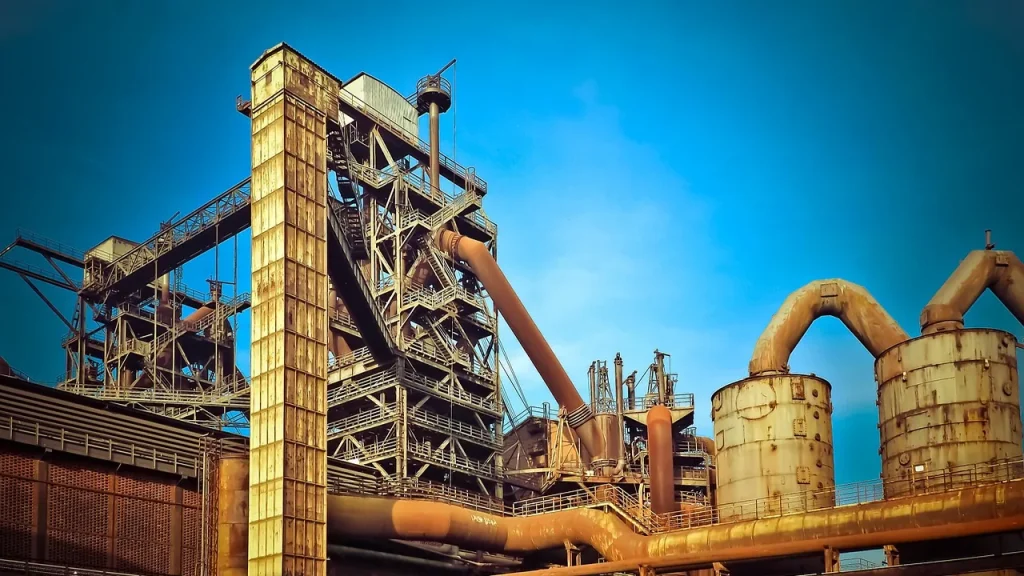
In traditional steelmaking, iron ore is reduced with coke and heated in a blast furnace. This reaction creates a lot of carbon dioxide, which usually goes into the air. Helix Carbon’s idea centers on an electrolyzer that can handle the furnace’s full exhaust stream. The device uses electricity and a catalyst to convert carbon dioxide from the exhaust into carbon monoxide, which then re-enters the furnace to assist the reduction of iron ore. The goal is to reduce how much coke the plant needs to burn.
CEO and co-founder David Brown frames the project as a realistic decarbonization route that can also boost plant margins. He cited early analyses suggesting that replacing about one third of coke with the recycled carbon monoxide could be feasible, while noting other studies show a wide range in how much coke can be displaced. The bottom line, he argues, is that economics could still tilt in favor of adopting the system, even if the exact amount varies by site.
The promise here is a double win: lower emissions and a healthier bottom line. Helix Carbon estimates that cutting coke use could translate into roughly $14 saved per ton of iron produced. In steel, a market known for its tight margins, even small savings can matter. The company plans to start with specialty-chemicals producers who can use the on-site outputs from the same exhaust stream, a path that could yield revenue sooner than full-scale deployment on a traditional steel line.
The steel industry has long sought ways to decarbonize, from alternative furnaces to hydrogen-based routes. Helix Carbon’s angle is to work within the existing blast-furnace setup, potentially making adoption easier for plants that operate for decades and require big capital upgrades. Whether the system can withstand real-world, high-temperature exhaust remains to be proven in field tests, but the concept has captured attention at a major startup competition.
For everyday readers, the impact is indirect but meaningful. If the concept scales, steel producers could lower production costs while emitting less carbon per ton. Since steel influences the price of countless consumer goods, cars, appliances, buildings, this could translate into slower price pressures and a smaller environmental footprint. The big caveat is pace: industrial pilots take time to move from concept to commercial use, and steel plants move slowly by design.
What happens next is straightforward: Helix Carbon will need field pilots to verify durability, reliability and actual savings. If pilots prove successful, more plants could trial the approach and gradually adopt the method to reduce coke usage and emissions in daily operations.
01
What this could mean for the steel industry
If the concept scales, it could lower fuel needs and curb CO2 without forcing plants to overhaul decades-old equipment. The industry will be watching how pilots perform and what larger plants decide to test next.
02
How the process works in plain terms
Think of it as turning waste into fuel. The exhaust contains carbon dioxide. An electrolyzer uses electricity to convert part of that gas into carbon monoxide, which is then fed back into the furnace to assist the iron-reduction step. The result is less coke and potentially cleaner production.
03
What happens next
The next phase is real-world trials to show durability and consistent savings. If pilots deliver, you could see broader interest from steelmakers aiming to cut both costs and emissions without scrapping their current equipment.
Getty Images will seek bankruptcy protection and shift to private ownership through a debt-cleaning plan after failing to merge with Shutterstock, aiming to wrap up by year’s end.