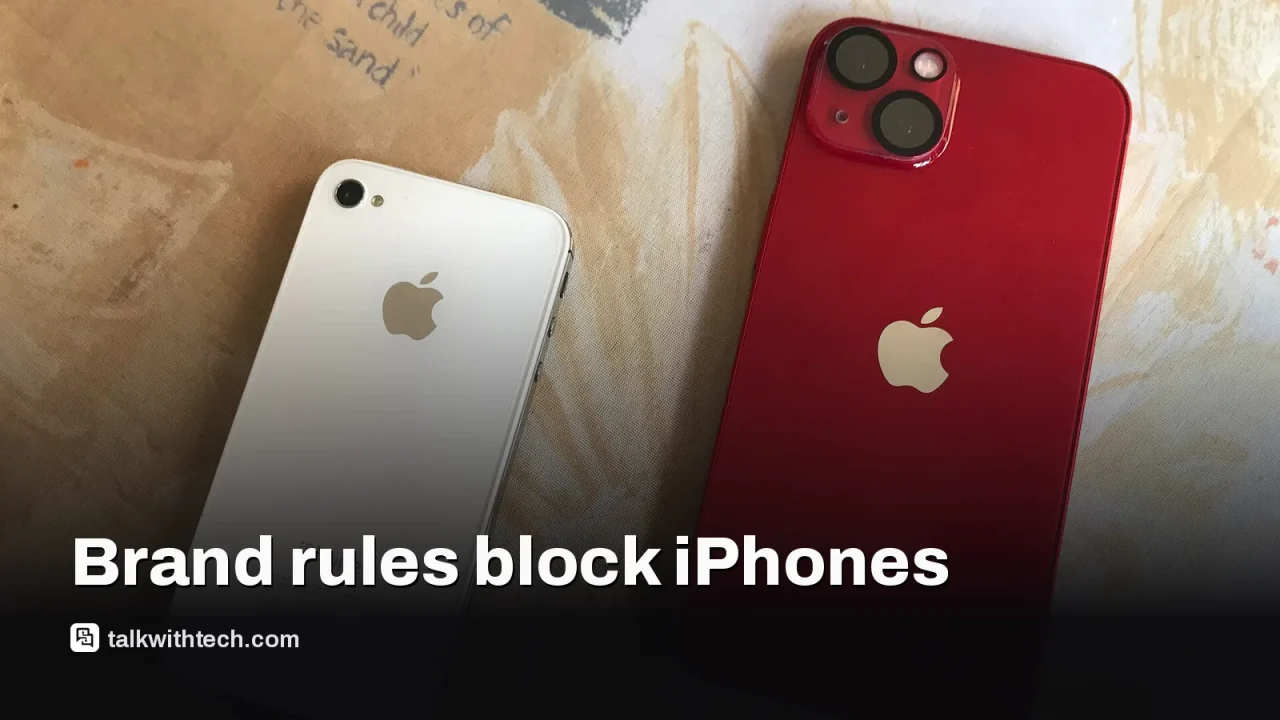
A Quebec TV drama, Antigang, stopped showing iPhones on screen due to Apple’s strict media usage rules.
Producers switched to Android phones to keep scenes authentic while complying with brand guidelines.
Apple’s rules require logos to stay visible and forbid damaged, hacked, or crime-related uses of iPhones in scenes.
Industry observers note the move spots the tension between storytelling needs and brand control, especially for crime dramas.
Quick read · 1 min
A Quebec crime drama, Antigang, stopped showing iPhones on screen and now uses Android phones after producers found Apple’s on-screen rules too restrictive for depicting crime. The switch to Android, mainly Samsung Galaxy devices, wasn’t driven by a complaint from Apple, but by a need to keep scenes authentic and production on track.
Why it matters: branding rules can influence how tech is shown on TV, even when the audience is largely familiar with the devices. For viewers, the change is visible in the props and how characters interact with tech. For producers, it’s a reminder that brand guidelines can shape storytelling choices.
Antigang uses Android phones now
Apple rules require logos visible, no damaged devices, and time-appropriate models
The shift reflects production needs more than a formal Apple complaint
A Quebec television drama has quietly rewritten a key part of its visual language. Antigang, a daily crime show produced for Radio-Canada by Aetios and shot for ICI Télé, ditched iPhones in favor of Android phones after producers found Apple’s on-screen rules too restrictive for a show about criminals and investigators. The change came to light as the show’s production faced how to depict its characters’ tech without violating Apple’s brand guidelines.
La Presse reported the decision, noting that the switch to Android devices was not prompted by a formal complaint from Apple. Still, the practical effect is clear: the show’s cops, criminals and everyone in between now communicate and text on Android devices, with Samsung Galaxy devices highlighted as the main stand-ins.
01
What Apple’s on-screen rules actually say
Apple’s rules cover several details that matter to productions: the Apple logo has to be visible, the phone can’t be shown damaged or hacked, it can’t be used while driving, and the on-screen phone must match the story’s time period, even in flashbacks. The iMessage, FaceTime and related branding also face restrictions. In short, even a fictional crime story has to keep the branding and usage strictly in line with Apple’s requirements.
For audiences, the change may feel small, but it highlights a broader issue: how much control a brand should have over how its products appear in entertainment. In Canada, iPhone ownership is high, roughly 65% of users, so the choice to remove iPhones from a popular program isn’t just about a few scenes. It’s a reminder that branding rules can shape storytelling decisions, even when there’s no formal sponsorship tied to the devices.
03
How producers balance story and branding
Producers say the switch was about practicality. If a scene relies on a given phone for plot points, and the brand constraints would complicate the shot or message, it’s easier to swap devices and keep the story moving. The Radio-Canada representative in the coverage emphasized the network’s general stance of avoiding brands unless there’s a clear agreement tied to brand integration. In Antigang’s case, the move seems to come from the producers’ need to sustain daily production schedules rather than a brand deal or complaint.
04
What this means for viewers and the market
For viewers, the most noticeable effect is a shift in visual cues, the tech seen on screen now looks different, and that can affect how audiences perceive characters and realism. For the broader media ecosystem, it underscores how brands control can ripple through creative decisions, especially in fast-moving productions that depend on consistent props and visuals.
Antigang’s Android swap is already in place for current episodes, and producers will likely continue to navigate how to show tech in a way that feels authentic while respecting branding rules. If you’re a fan, you might notice phone choices shift episode to episode as the team juggles storytelling needs with branding guidelines.
06
Quick answers
Why did the show switch to Android?
Producers said it was to keep the storytelling process smooth within Apple’s branding constraints, not due to a formal Apple complaint.
Will Apple be involved in future device choices?
Apple didn’t respond to questions before publication, and the report doesn’t indicate a sponsorship or deal tied to the devices.
A judge orders OpenAI to turn over interview materials and some messages in the Apple trade secrets case, accelerating Apple’s access to internal discussions.