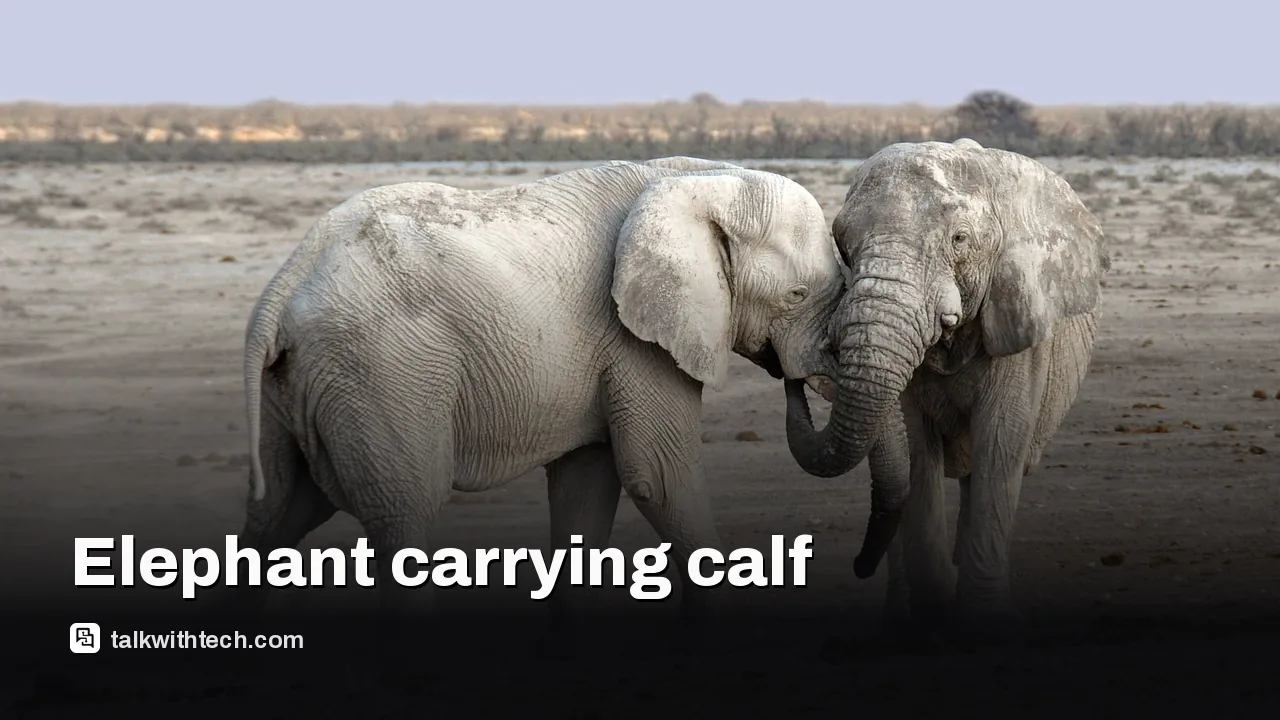
Federico Veronesi wins the overall Behaviour: Mammals prize with a photo of an elephant carrying a dead calf in Namibia.
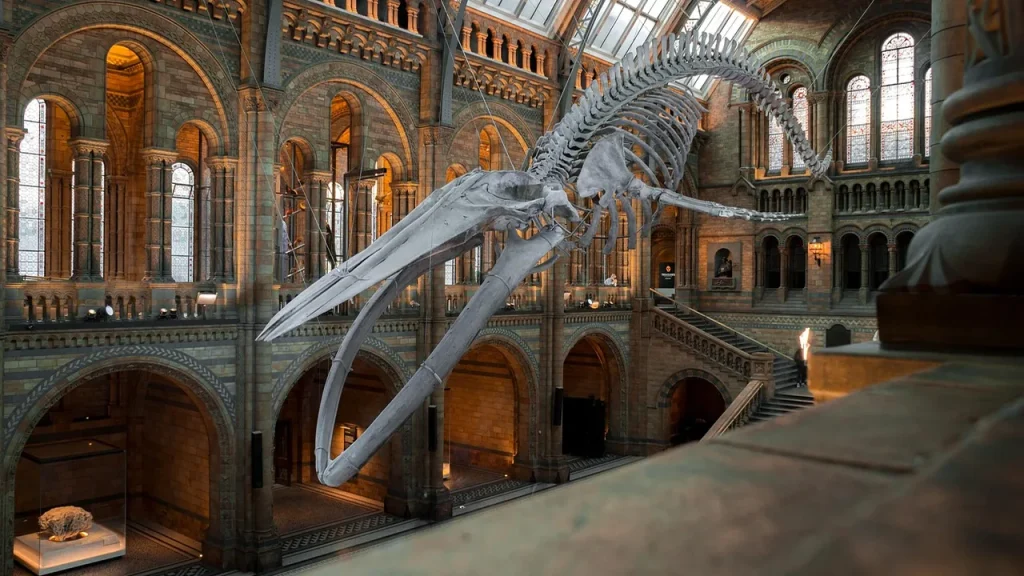
The Wildlife Photographer of the Year 2026 exhibition runs at the Natural History Museum, London, from Oct 16, 2026 to July 11, 2027.
Tickets start at £8.50 for children, £13.60 concession, and £17 for adults in the UK.
Quick read · 1 min
Federico Veronesi won the Wildlife Photographer of the Year 2026 top prize for a powerful photo of an elephant carrying a dead calf in Namibia. The exhibition opens Oct 16 at the Natural History Museum, London, and runs through July 11, 2027. Tickets start at £17 for adults, with cheaper options for children and concessions.
The awards showcase a range of animal stories and habitats, highlighting how photographers capture wildlife in changing environments. If you’re in the UK or planning a visit, this is a good chance to see striking images up close and consider what they reveal about animal behavior and conservation.
Exhibition runs Oct 16, 2026 – July 11, 2027
Top prize tied to elephant behavior and cognition
Ticket prices start at £17 for adults
The Wildlife Photographer of the Year 2026 winners are in, with the top prize going to Federic Veronesi for a deeply moving image captured in Namibia. His photograph, which belongs to the Behaviour: Mammals category, shows an elephant carrying a dead calf and has been described as a gut punch for its glimpse into animal cognition and grief.
Alongside Veronesi’s win, the competition highlights a range of themes and habitats, offering a window into how wildlife behaves in the wild. The overall event, now in its 62nd year, continues to showcase how scientists and photographers document animal lives in changing environments.
The winners will be displayed at the Natural History Museum in London, with the exhibition opening on Oct 16, 2026 and running until July 11, 2027. If you plan to visit, tickets start at £8.50 for children, £13.60 for concessions, and £17 for adults.
01
Who won what this year
While Veronesi takes the top Behaviour: Mammals prize, the competition features a range of category winners that cover specific species and habitats. The awards span both adult and young photographers, emphasizing stories ranging from animal behaviour to ecosystems spanning large areas.
02
Why this photo matters
Experts say the image provides a visually striking reminder that elephants display complex behaviours around death, including guarding and touching the remains. The jury notes the image is both emotionally powerful and scientifically telling, suggesting elephants may engage in gestures that hint at cognition and possibly grief.
03
What this means for visitors
The exhibition at the Natural History Museum will give the public a chance to see the winning images up close. For families and photography fans, it’s a moment to reflect on wildlife in Africa and the moments photographers capture that spark conversation about conservation and animal behavior.
04
What happens next
The Wildlife Photographer of the Year 2026 portfolio will also be published in a companion book, with details announced by the organizers. If you’re curious about the broader field, keep an eye on the museum’s schedule for accompanying events and talks tied to the exhibition.
Federico Veronesi won the Behaviour: Mammals category, earning the overall Wildlife Photographer of the Year 2026 title for his Namibian elephant image.
When and where can I see the winning photos?
The winning images will be on display at the Natural History Museum, London, from Oct 16, 2026 to July 11, 2027.