Thursday, 15 October 2026

iPhone Duo foldables aim for a premium finish with minimal crease

Apple’s design chief explains why the iPhone Duo finally moves folding tech into a premium category and what it means for everyday users.

iPhone Duo
Photo: ΚΑ ΚΙΤ / CC BY-SA 4.0 (modified)

The short version

  • Apple’s John Ternus discusses the iPhone Duo’s design, aiming for premium look and feel with minimal crease.
  • Ternus recalls early foldables as “cheap and crappy,” and explains how the team pushed material and manufacturing boundaries.
  • Pre-orders for the iPhone Duo are starting soon, with specifics tied to timing discussed in interviews.
  • The interview also covers Apple Intelligence and Siri AI as differentiators using iPhone-level data.
Quick read · 2 min

Apple’s design chief, John Ternus, explains why the iPhone Duo aims to be a premium foldable, addressing why earlier foldables were seen as cheap and not durable. He highlights a custom surface and a hinge with hundreds of parts to minimize a visible crease and boost reliability. The interview also notes Apple Intelligence and Siri AI as differentiators, using data on your iPhone to do more for you. Pre-orders for the Duo are coming, with timing announced by Apple in due course. For everyday users, this is about a foldable that feels solid, not fragile, with software that leverages your iPhone data for useful features. What matters next is the exact pre-order window in your region and how quickly demand may move.

What this means for you: a foldable that’s built to last, with strong company-wide focus on design and integration. If you’ve waited for a more refined foldable, the Duo is positioned as a serious option when it lands in your market.

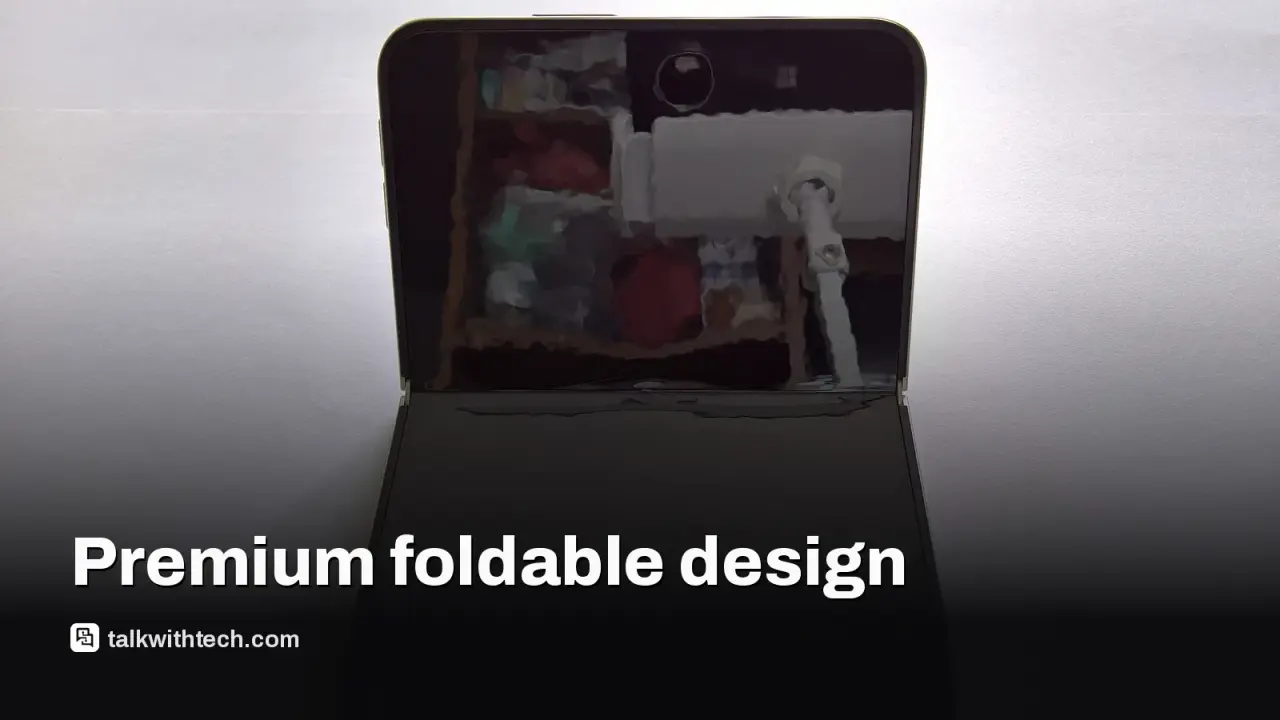
  • Premium folding design
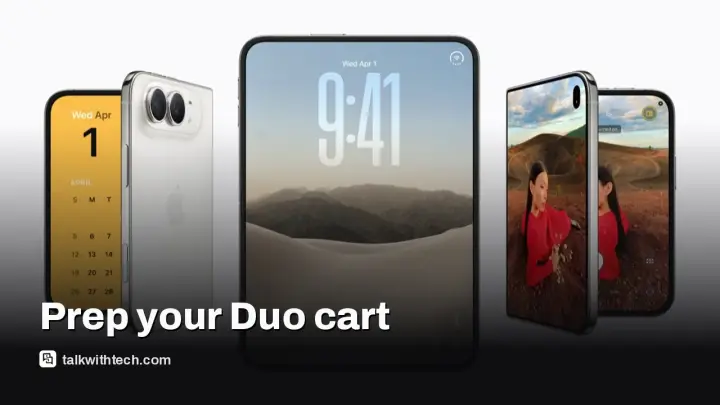
  • Durability and refined crease control
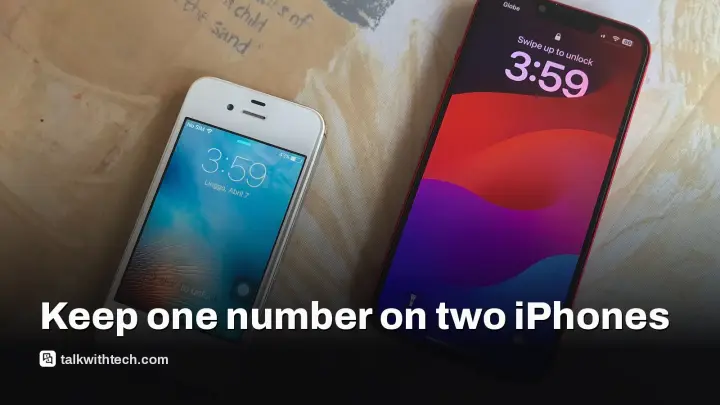
  • Software integration with iPhone data
Apple’s approach to folding phones has always looked deliberate, and a new interview from John (Jony) Ternus, Apple’s design chief, lays out why the iPhone Duo finally moves folding tech into a premium category. In conversations tied to TIME’s best inventions list, Ternus explains how Apple pushed materials, hinges and manufacturing to avoid the creases that plagued early foldables.

For readers wondering what this means for them, the message is simple: Apple wants a foldable that feels as solid as the best modern smartphones, not a gimmick. The iPhone Duo is designed to look and feel like a first-class device, with a surface technology and hinge design built to minimize visible seams where the screen bends. This is not just about a bold form factor; it’s about reliability and daily comfort for people who swap between phone modes more than once a day.

01

Which foldables are being judged, and why Apple waited

Ternus says early foldables from other brands looked “cheap and crappy,” which informed Apple’s cautious, long game. He describes a push to go beyond the first-gen look and feel, aiming to avoid a visible crease and to make the hinge work smoothly under real-world use. This meant years of experimentation with a custom polymer surface, and a hinge built from more than 100 tiny interior components. The goal is a foldable that doesn’t scream “gadget” every time you pull it out of your pocket.

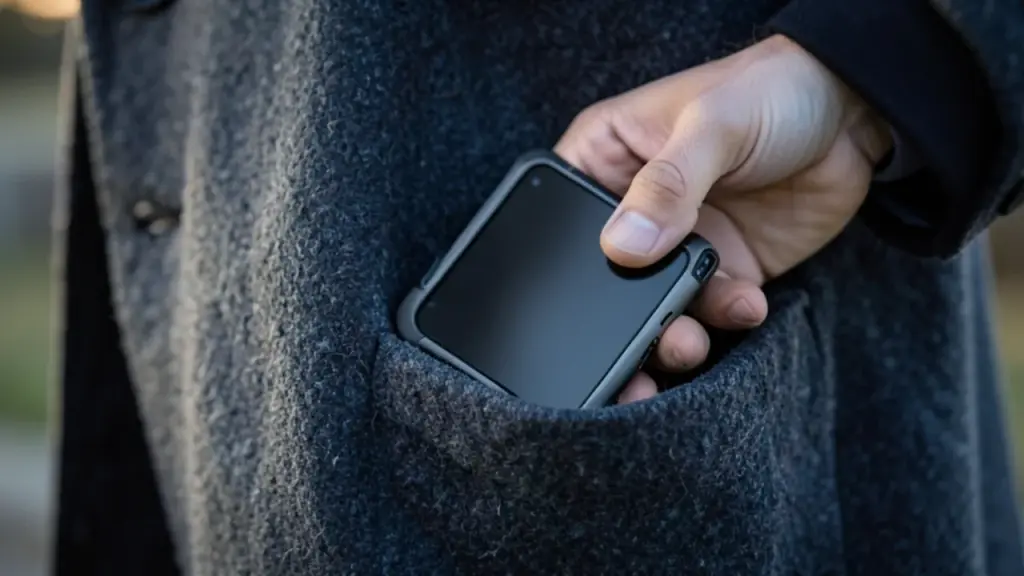
Hand lifting foldable phone from coat pocket, hinge and edge visible, dark screen turned away.
02

Apple Intelligence, Siri AI and why differentiators matter

Beyond hardware, Ternus touchpoints to Apple Intelligence as a way to bring real-world value. He notes there isn’t a single objective to put every feature there, but rather to bring distinctive capabilities where they matter most, using Gemini-based tech as a backbone. Siri AI, he adds, leverages data already on your iPhone to offer advantages that aren’t easily replicated by rivals. In short, Apple wants the Duo to do more with the data you already trust to live on your device.

Play video: Apple killed the Mac mini's best hidden feature :(
03

What this means for everyday users

If you’re weighing a foldable, the Duo promises a more premium experience than earlier attempts. It’s not just about a bigger screen; it’s about a screen you can rely on and a hinge you can trust for daily wear and tear. For most people, the practical questions are: will it last, and will the software feel as responsive as a traditional iPhone? Ternus’ comments about design discipline suggest Apple is betting on long-term durability and a smoother user experience, rather than a one-off showpiece.

Foldable phone propped open on café table beside coffee and notebook, hinge and smooth surface visible.
04

What happens next and how to get one

According to the conversations around TIME’s coverage, pre-orders for the iPhone Duo are coming, with timing tied to a specific cadence. If you’re curious about trying the Duo, the next step is to check Apple’s official channels for the exact pre-order window in your region and be prepared to act quickly, as popular foldables tend to move fast when the line opens.

05

What readers should take away

For everyday life, the Duo represents Apple’s bet that folding tech is ready for real use, not just a curiosity. If you want durability, a refined crease-free feel, and the kind of software integration you expect from an iPhone, this is the model Apple is positioning as a mature foldable option. It’s not just about novelty; it’s about a design philosophy that treats folding as a true smartphone category, not a temporary experiment.

06

Quick answers

When can I pre-order the iPhone Duo?

The exact pre-order timing varies by region and is tied to Apple’s official announcements; check Apple’s official channels for the window in your country.

Why is Apple talking about foldables now?

Apple says it’s been building a premium folding experience for years, aiming to solve the crease issue and create a hinge that lasts. The emphasis is on durability and daily reliability, not just novelty.

You're reading the quick version.