Flock gunshot detection raises data storage and misuse questions
The camera-and-microphone surveillance startup argues its tech only hears gunshots, but critics worry about mass-surveillance risks and real-world misuse.
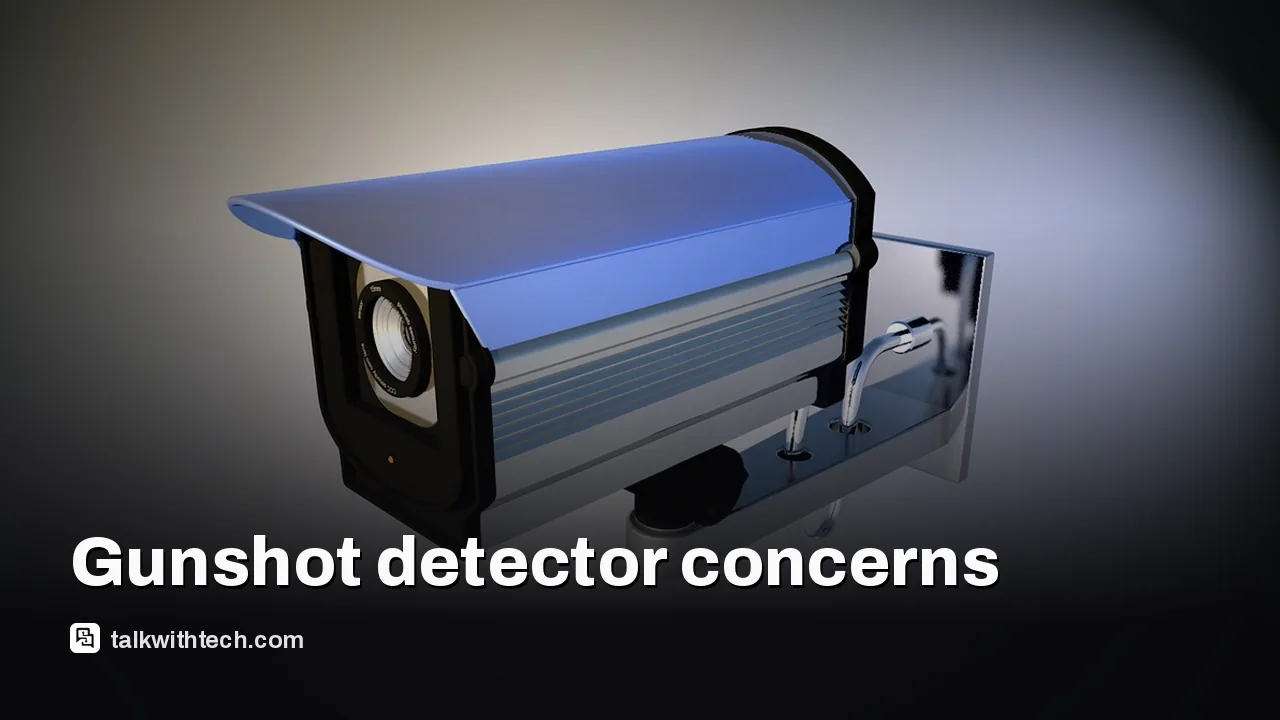
Flock markets a Gunshot and Audio Detection system that analyzes ambient sound to flag gunfire and certain events without recording voices.
Critics warn the tech could enable mass surveillance if deployed broadly or misused by authorities.
The company says it does not monitor conversations and only records audio when a qualifying event is detected.
Regulators, privacy advocates, and readers should watch for how clients actually use the alerts and where data is stored.
Quick read · 1 min
Flock sells a Gunshot and Audio Detection system that listens for gunshots and other events to speed up responses. The CEO says they would drop a client that abuses the tech, and that conversations aren’t monitored. Critics worry about mass surveillance and data misuse.
For everyday readers, the question isn’t just safety. It’s privacy: who sees the alerts, what audio is stored, and how long it sticks around. Cities weighing deployments will need clear data plans and independent reviews before signing on.
Faster emergency responses could save lives.
Privacy concerns hinge on data retention and access controls.
Ask for retention periods and independent audits before any citywide use.
Flock’s approach to public safety sounds simple: a combination of cameras and microphones that listen for gunshots, car crashes, or street disturbances, and then send alerts to the right people. The company has long pitched its Gunshot and Audio Detection system as a way to accelerate responses to violent events without turning every mic in a city into a constant ear test. But as the technology teams up with law enforcement and security providers across the U.S. and beyond, concerns about mass surveillance and privacy are not going away.
At TechCrunch Disrupt, Flock’s CEO, Garrett Langley, tried to hedge these worries. He said the company would immediately stop working with any clients that abuse its systems, including law enforcement agencies. He also stressed that the microphones focus on detecting gunshots and do not monitor conversations. Yet questions persist about what happens when the system prompts an alert and what data is stored afterward, especially if a police department or security firm stretches the intended use beyond safety scenarios.
Flock originally positioned its technology to distinguish gunfire from fireworks, crashes, and other loud events, aiming to reduce false alarms. The system analyzes ambient audio in short, on-device windows and only records audio if it detects something that matches its predefined events. If nothing is of interest, the audio isn’t saved. If something is detected, the incident is flagged and the relevant party gets notified. A spokesperson later clarified that, while gunfire is the primary focus, the system also recognizes fireworks, street takeovers, and vehicle crashes.
Privacy advocates have framed Flock’s approach as a double-edged sword. On the one hand, faster alerts could save lives. On the other, the same tools that help locate gunfire could also enable a broader veil of surveillance, tracking people, movements, and patterns over time, even if conversations aren’t recorded. The tension isn’t new for this kind of tech, but it’s intensifying as more cities and campuses consider deploying it.
Langley’s insistence that Flock hasn’t fired any customers yet and that the line between safety and surveillance is a narrow one will not quell all concerns. Opponents point to a recent uptick in automated license plate readers and similar systems that have faced public scrutiny over civil liberties, arguing that the mere existence of a trigger could invite mission creep or misuse by those with access to the data.
For readers, the practical question is this: if your city or campus adopts Flock’s technology, what changes in daily life? You might see faster responses to gunfire or crashes, but you may also be subject to broader monitoring that isn’t obvious from a single incident. It’s worth asking who has access to the alerts, how long audio data is stored, and where the data travels after it leaves the device. These are questions communities will want answered before signing up for deployments.
What happens next is up to policymakers, privacy advocates, and the companies involved. Expect more disclosures about data retention, access controls, and independent audits. Look for cities to publish procurement terms that specify when and how data is shared with third parties, and under what conditions the system can be turned off or paused in sensitive areas like schools or hospitals.
01
Which environments get the most value from gunshot detection?
Flock’s system is pitched for places with high foot traffic and potential for gun violence, urban centers, campuses, sports arenas, and certain business districts. The value claim is faster alerts and better situational awareness, which can shorten the time to respond to critical incidents.
02
The privacy trade-off everyone will scrutinize
Even if conversations aren’t recorded, the mere presence of on-device microphones and event-based recording raises red flags for privacy groups. Transparency about data storage, who can access the data, and how long it’s kept will be key to trust moving forward.
03
What readers should ask their local officials
Ask what parts of the system will be deployed, what data is collected and stored, who can access it, and how long recordings survive. If a city moves ahead, demand independent privacy impact assessments and a clear opt-out path for residents who don’t want to be part of continuous monitoring zones.
04
What you can do now
If you’re curious or concerned, follow local council meetings or city procurement notices that mention gunshot detection. Read the data-use policies tied to any deployment and push for public dashboards showing where the system is active and where data goes after an alert is issued.