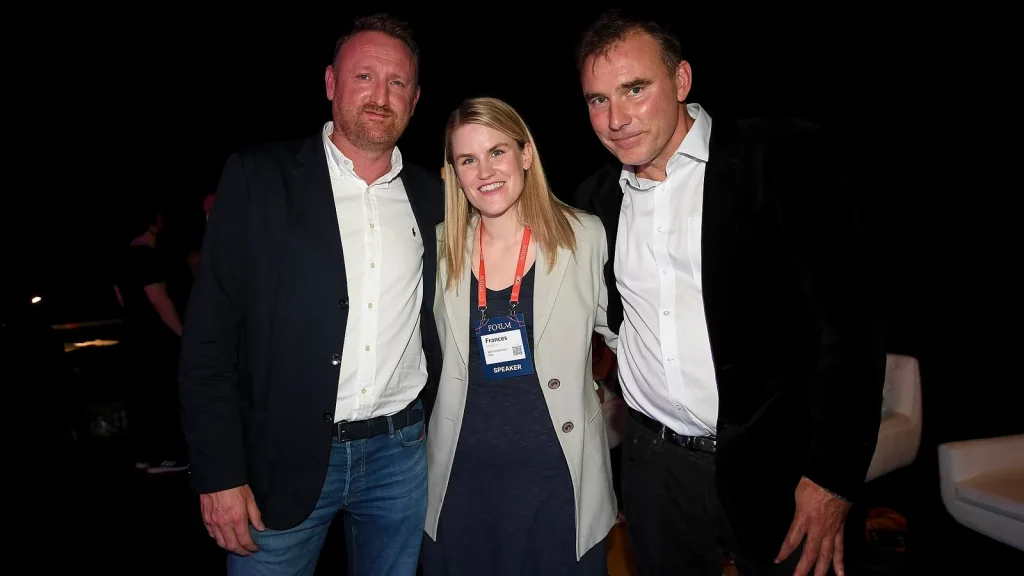
Frances Haugen says a thriller could prompt more whistleblowers to act
The Social Reckoning, a thriller inspired by Haugen’s disclosures about Meta and Instagram, pushes a conversation about why people come forward and what happens after.
Frances Haugen discusses The Social Reckoning, a thriller inspired by her decision to share internal Facebook documents.
The film features a fictionalized version of Haugen and explores the pressures and responsibilities that come with whistleblowing.
Haugen hopes the movie motivates others to come forward when they see information that could harm the public.
The real-world impact of her disclosures includes high-profile policy debates and a large settlement tied to Meta investigations.
Quick read · 2 min
Frances Haugen, the whistleblower behind the Facebook Files, talks about a new thriller inspired by her experiences. The Social Reckoning uses fiction to explore why people come forward and the challenges they face after leaking internal documents.
The film centers on a fictional version of Haugen and highlights the personal and legal pressures whistleblowers face, as well as the public impact of their disclosures. Haugen hopes the story will encourage more people to speak up when they see risks to the public interest.
For readers, the takeaway is clear: debates over how platforms moderate content, protect kids, and handle data are evolving. The film adds a narrative angle to those discussions and could influence how lawmakers and the public think about accountability in tech.
What happens next: policymakers and advocates may reference the film in ongoing debates about tech safety and transparency.
What readers can do: stay informed about platform practices and support efforts to improve transparency in big tech.
Where this goes: more disclosures or new rules could appear as the conversation around accountability continues.
Frances Haugen says The Social Reckoning could encourage more whistleblowers to come forward. In a recent discussion about the new thriller, Haugen reflects on the moment she decided to share internal documents about Meta and Instagram and how that choice has shaped public conversation since then. The film uses a fictionalized version of her story to examine what pushes someone to leak information and what happens after those disclosures become public.
Haugen’s public disclosures drew widespread attention and sparked ongoing debate about how social platforms moderate content, how they weigh safety against openness, and how they protect young users. The real-world impact includes a major settlement tied to Meta, though Haugen emphasizes that her work touched more than just one issue. The movie centers on a whistleblower who uncovers data that exposes difficult tradeoffs and the emotional and legal terrain that follows going public.
In Haugen’s view, the film is a tool to humanize the whistleblowing process. She wants viewers to understand that whistleblowers weigh personal risk against a sense of civic duty, and she hopes the story resonates with people who might one day face a similar choice. At the same time, she notes that policy discussions around tech accountability have grown more mature in many places, though the U.S. debate has its own distinct pace and concerns.
Meta has not issued a formal comment on the film. In the broader story Haugen helped ignite, Meta has argued that the leaked materials represent a slice of a broader picture and that decisions in the real world involve tradeoffs. Haugen stresses that the point of whistleblowing is to surface information that can lead to better protections for the public, especially around safety and fairness on large platforms.
As conversations about artificial intelligence and platform governance rise to the forefront of policy and press coverage, Haugen sees the whistleblower narrative as part of a larger push toward accountability. She acknowledges that some regulatory ideas might seem simplistic or misdirected, but she is encouraged by the ongoing engagement around how tech companies shape our information ecosystem and everyday lives.
Two recently revealed AhsayCBS flaws let attackers bypass authentication and plant web shells, then drop a cryptocurrency miner that impersonates the Edge browser.