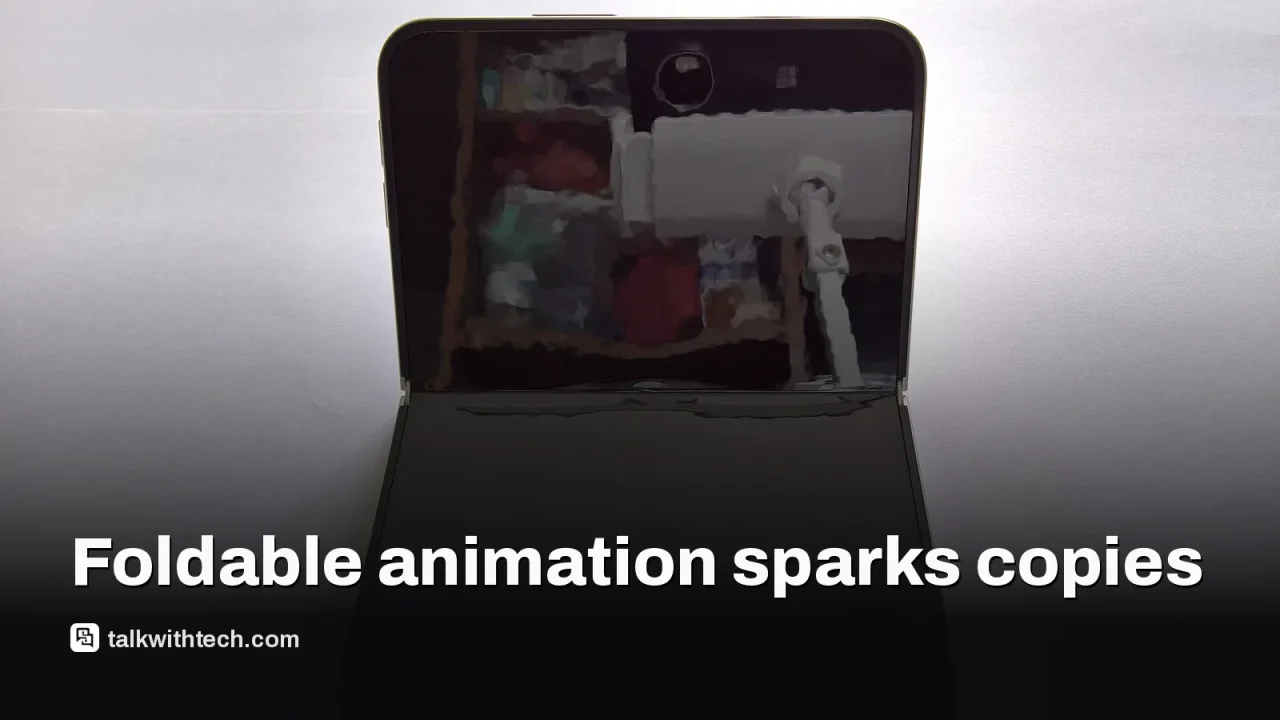
Apple unveils the iPhone Duo, a foldable phone with a distinctive unfolding animation.
Fans of rival devices, like Samsung’s Galaxy Z Fold 8, are trying to mimic the animation on their phones.
The feature highlights how hardware and software design can drive trends across platforms.
Quick read · 1 min
The iPhone Duo is shipping Oct. 23, and its unfolding animation has people buzzing online. Fans of rival foldables, especially Samsung’s Galaxy Z Fold 8, are trying to recreate the look with third-party tweaks, though not all efforts will match Apple’s exact motion.
For everyday users, this is a reminder that a phone’s feel can matter as much as its specs. If you care about how your screen transitions when you open the device, you might pay extra attention to what each brand emphasizes in software design.
Expect more apps tailored to the Duo’s unfolding flow as developers experiment.
Android fans may see more imitators, but exact replication depends on platform limits.
The bigger takeaway is that visual flourishes can influence how people compare phones, even before full reviews.
The iPhone Duo is due to ship on Oct. 23, and its unfolding animation is already becoming a talking point. A growing wave of discussions online points to a simple truth: a single visual flourish can shape how people compare phones, even if the underlying hardware remains different.
What’s driving the chatter is Apple’s approach to moving content from the outer screen to the inner one as the device opens. It’s not just about a dynamic transition; many observers say the animation has become a badge of identity for the Duo. Android fans, meanwhile, have been experimenting with ways to replicate a similar effect on rival foldables, particularly the Galaxy Z Fold 8, which entered the market earlier this year.
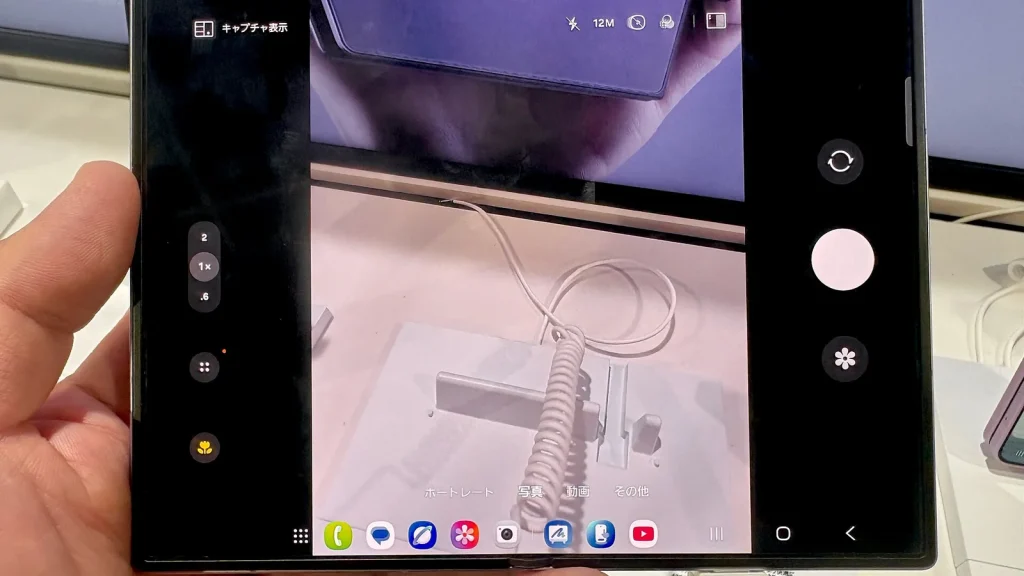
On the Galaxy Z Fold 8, users won’t find a built-in version of Apple’s unfolding animation. The phone’s interface switches content between its cover screen and inner display when opened, but the motion isn’t exactly the same. That mismatch has spurred creators to post tutorials and apps that mimic the look, though with caveats about smoothness and reliability. In other words, some fans are chasing a feel, not a guaranteed port of the exact motion.
Still, the broader point stands: distinctive software touches can become a selling point and a pressure test for other brands. If the iPhone Duo’s animation catches on, developers may start optimizing apps for that specific 1.4:1 aspect ratio and the way content transitions as the device unfolds. That could push rivals to refine their own foldable experiences to keep pace.
From a consumer perspective, the animation is mostly a style choice rather than a feature that changes who should buy what. But it does illustrate a longer-running pattern in hardware design: design flourishes can spark imitation, and timing can matter. Apple’s foldable approach, arriving as competitors have already staked out large-screen ambitions, shows how the market is watching for the next big moment in pocket-sized devices.
Let us know when you're done reheating our leftovers 😉
The iPhone Duo arrives with a unique folding animation that has captured attention. Rival foldables, like Samsung’s Galaxy Z Fold 8, have different transition quirks because their software layers and hardware layouts aren’t identical. That gap is what’s fueling the copycat effort in the Android camp and highlighting how cross-brand ideas spread in subtle ways.
For most people, this is a reminder that the look and feel of a phone can matter as much as specs. If you care about smooth transitions and a certain visual rhythm when you open your device, you might find yourself leaning toward a brand that nails that experience. If you’re not into chasing animations, you’ll likely focus on how a phone performs, takes photos, and handles apps in daily life.
03
What happens next
As more hands-on time with the iPhone Duo happens after Oct. 23, expect developers to start tailoring some apps to the Duo’s unfolding flow. Android users who like the trend may see more third-party tweaks aimed at reproducing the look on other foldables. But whether those efforts will match Apple’s native animation remains to be seen.
Switching to T-Mobile can drop the cost of the iPhone 17e to zero this weekend, but you’ll pay over three years through monthly credits and face a few caveats.
Apple adds the first-generation Apple TV 4K to its vintage list, signaling limited repairs and support as the company prepares a fourth-gen model for an Oct. 13 event.
4 min read
We use cookies to understand how readers use Talk With Tech, so we can make it better. Is that OK? Privacy policy
The Daily Brief
Today's biggest tech stories, in 5 minutes
Every morning, the news that matters from AI, phones, apps and the people shaping tech. Explained in plain English. Free.
One email a day. No spam, unsubscribe anytime. Privacy policy