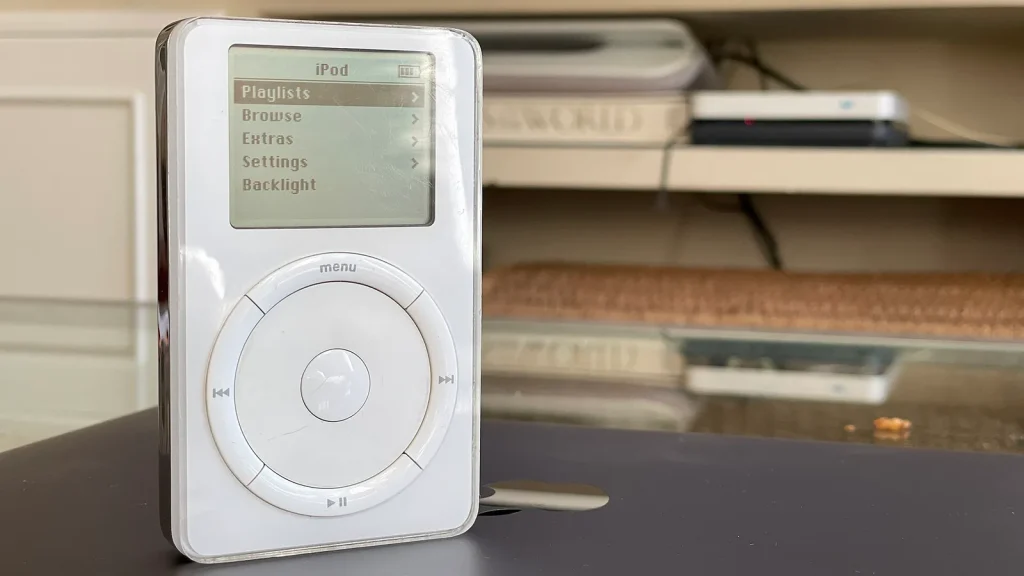
The iPod launched and became a symbol of simple, dedicated music playback at a time when phones and computers were doing many things.
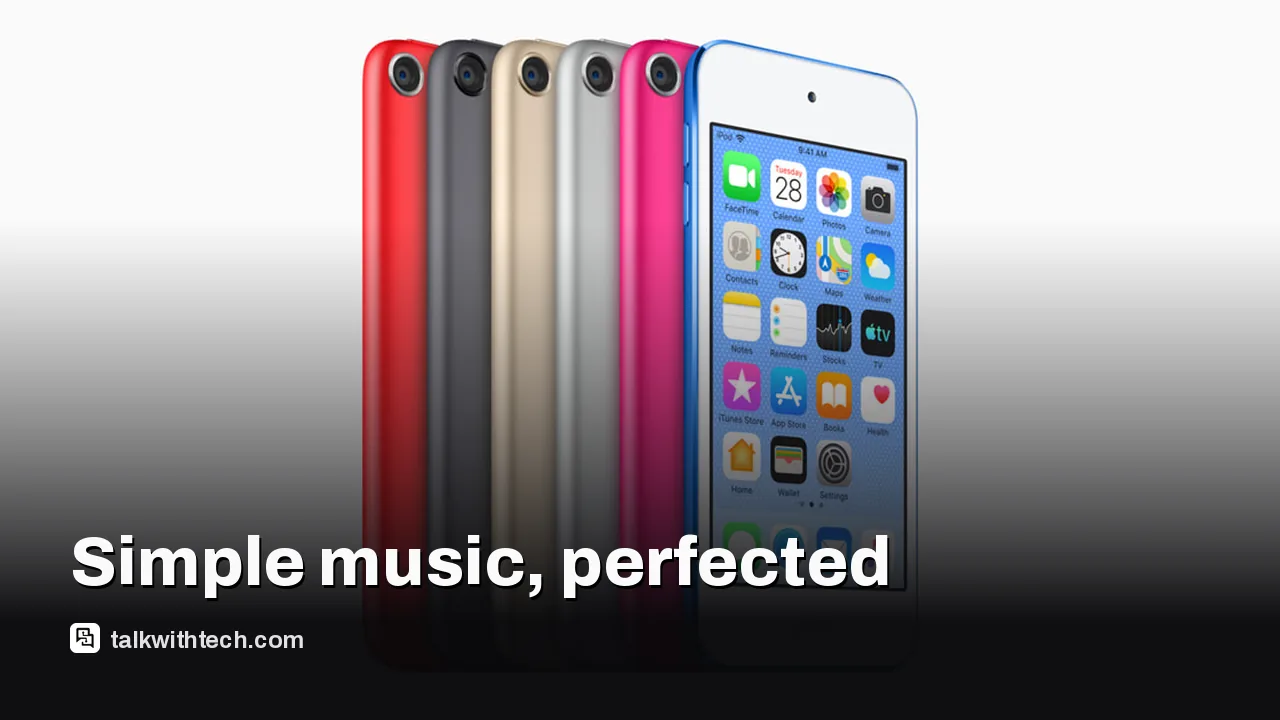
Apple kept reinventing the iPod each year, trading in shape, size, and even color to keep the line fresh.
The iPhone’s 2007 debut was the pivot moment, tying music, internet, and apps to one device and reshaping Apple’s future.
Today, the iPod’s legacy lives on in how products are designed for focused experiences and easy-to-use hardware.
Quick read · 2 min
The iPod turns 25 this month, and its story isn’t just nostalgia. It showed that a gadget could excel at a single job, music, and make that job feel magical. Apple refreshed the iPod line year after year, changing size and shape to stay fresh. Then in 2007, Steve Jobs introduced the iPhone, a device that combined music, browsing, and calling in one box. That move didn’t kill the iPod overnight, but it shifted the company toward a broader platform strategy and a future built around connected services.
For you, that means devices today tend to emphasize ease of use and a clear purpose. If you want a dedicated music player, you still have options, but if you want a phone that handles music and apps too, you’ll be looking at smartphones with strong ecosystems. The iPod’s legacy lives on in how tech products aim to simplify, even as software becomes more capable.
Platform thinking: ecosystems matter more than single devices.
Next up: focused gadgets with integrated services for everyday life.
The iPod turns 25 this month, and the echoes of its design choice still ripple through today’s gadgets. It arrived as a single-function music player in a world where devices tried to do everything. Apple made it simple, stored a lot of songs, and wrapped it in a tiny, portable package. The result wasn’t just a gadget people enjoyed; it helped redefine what a portable device could be.
What followed wasn’t a straight line to a simpler life, though. Apple kept rethinking the iPod every year, experimenting with different shapes, sizes, and colors. There were the mini variants, nanos, and shuffles, each version offering a fresh take while staying true to music as the core purpose. The core idea was clear: a focused tool that made it easy to carry your library with you, free from the clutter of other tasks.
Yet the product’s trajectory intersected with a larger strategic shift for Apple. In January 2007, Steve Jobs unveiled a device that would fuse three roles into one: a phone, an internet companion, and a music player. The iPhone didn’t simply replace the iPod as a standalone gadget; it redirected Apple’s attention and resources toward a broader platform. The iPod’s era faded not with a dramatic crash, but with a quiet transition as focus moved to always-connected smartphones and, later, tablets and services.
Looking back, the iPod’s appeal was its clarity. It did one thing well and never pretended to be the entire universe of tech. People valued that focus because it removed decision fatigue. Today, many products still borrow that philosophy, designs that prioritize a specific use case and a straightforward user experience, even if there are more features elsewhere in a family of devices.
As for the people who used it and still love it, the iPod’s absence as a separate device left a hole for some. Collectors and enthusiasts still mod or repurpose old models, proving the device left a lasting emotional imprint beyond its technical shelf life. And the broader lesson remains: when a company nails a simple, delightful user experience, it can seed a much larger ecosystem, even if the exact product evolves or disappears.
What happens next for users today is straightforward: look for devices that value focus and ease of use. If you’re shopping, don’t just chase the newest gadget; consider what you actually want from a device in your pocket. For Apple and its competitors, the challenge is the same: build hardware that feels simple to pick up and hard to put down, even as software becomes more capable and networked.
01
What the iPod meant for design and product strategy
The iPod’s success wasn’t in sheer features but in a refined, single-purpose experience. It proved that a focused device could shape a company’s identity and a market’s expectations. Apple showed that you don’t need to cram every function into one box to win big, you can win by doing one thing exceptionally well and letting an ecosystem grow around it.
When the iPhone arrived, music, web access, and apps all became part of a single, always-on device. That shift didn’t erase the iPod, but it redefined what a portable gadget could be. In Apple’s hands, the two products became stepping stones toward a broader platform strategy that still guides many tech companies today.
03
What this means for everyday users
For most readers, the takeaway is practical. A great gadget is often one that remains easy to use as your needs change. If you value a simple, distraction-free music player, there are still options out there. If you want the latest in connected services, you’ll likely lean toward a device that blends music, messaging, and apps in one place.
04
What happens next
There’s no single reset coming for the iPod’s legacy. Instead, look for products that emphasize a focused purpose, then blend that with expanding services and app ecosystems. In other words, you’ll likely see more devices designed around specific tasks, with software and services built to support them rather than overshadow them.