Jad Abumrad discusses how he creates immersive podcast storytelling, from sound design to scheduling.
He names favorite tools like a granular synthesis app and a calendar that makes coordinating busy collaborators easier.
The interview offers plain-language insights into staying productive and keeping audiences engaged.
Quick read · 1 min
Jad Abumrad, the mind behind Radiolab and Dolly Parton’s America, explains how he builds immersive podcasts with a mix of reliable tools and strong storytelling craft. He highlights a calendar app and a granular synthesis plug-in as staples, and shares a guiding philosophy: lead the search rather than pretend you know the ending. The takeaway for creators is simple: focus on a steady workflow and tasteful sound design to keep listeners hooked. For now, expect more thoughtful audio storytelling from a creator who helped redefine the medium.
What this means for listeners is practical: you’ll see fewer gimmicks and more consistent, well-crafted episodes. If you’re launching a podcast, start with scheduling tools that actually work for you and experiment with subtle sound textures to elevate your craft.
Next steps include tailoring your own toolset to your process and keeping the storytelling spine front and center as you grow.
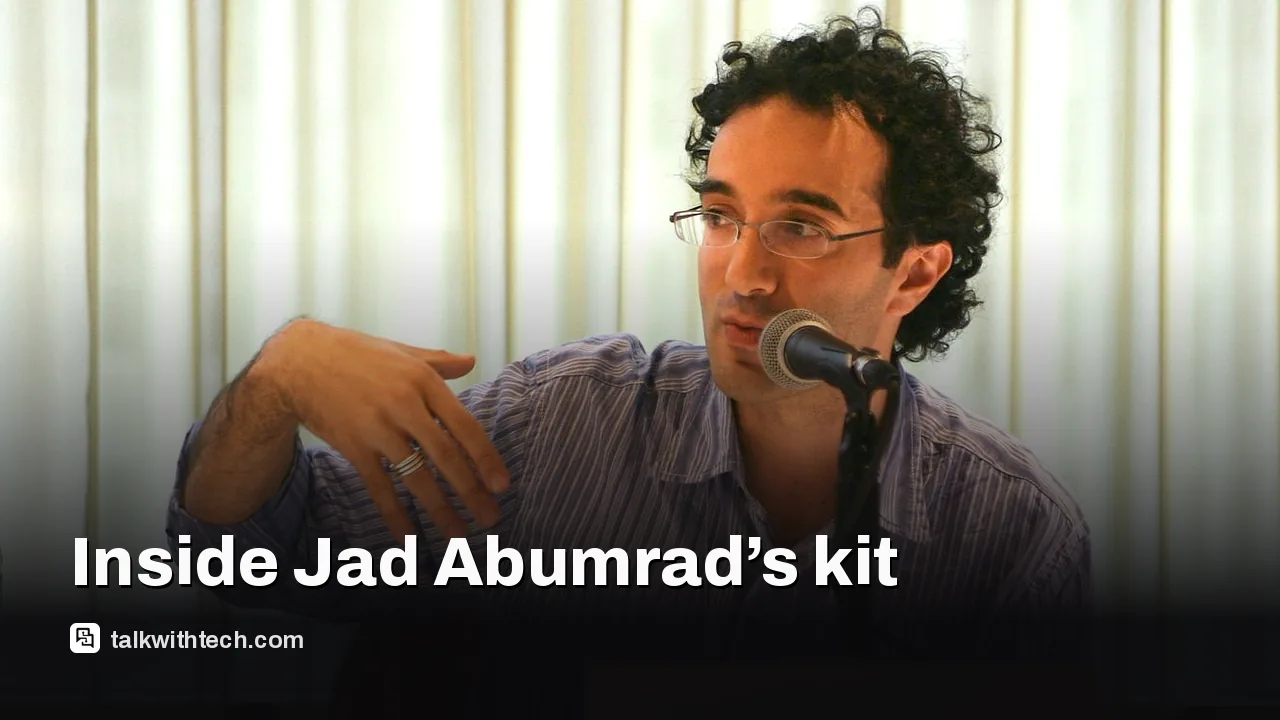
Jad Abumrad’s influence on modern podcasting is hard to overstate. The Radiolab creator and host of Dolly Parton’s America built a sound-forward approach to storytelling that a lot of shows still copy today. In a recent weekend questionnaire, Abumrad shared the small, human details behind those big, immersive pieces, and the gear he actually uses to make them.
He describes his toolkit as a mix of practical everyday apps and old-school sensibilities. When asked about indispensable tools, he points to a travel pillow as a comfort item, and then quietly reveals the tech that keeps his work flowing: a calendar app he genuinely loves and a granular synthesis plug-in that keeps his audio texture alive. It’s a reminder that even a world-changing storyteller still relies on the boring, reliable stuff that makes collaboration possible.
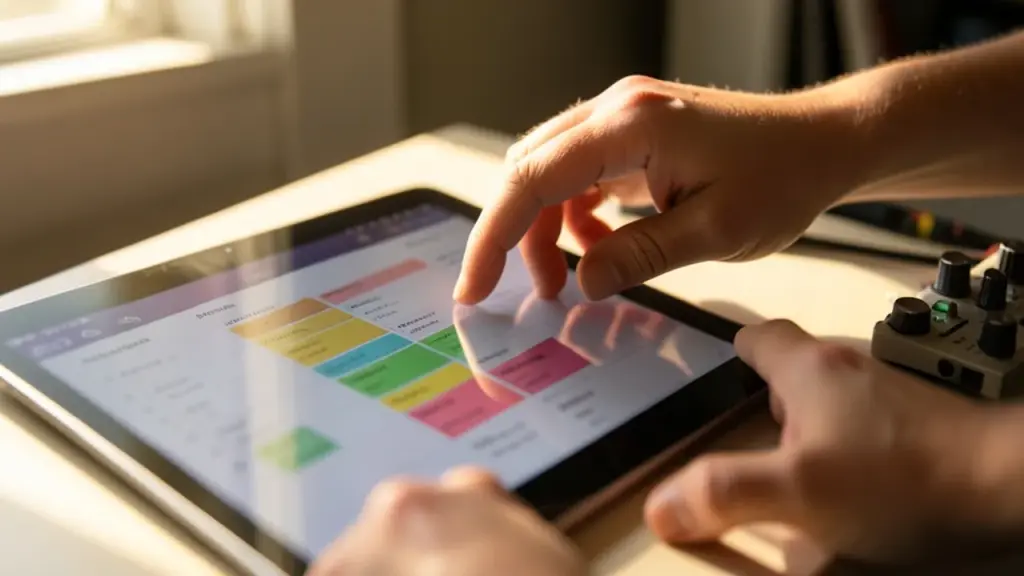
Abumrad’s answer to what he can’t live without is telling: the calendar app, Fantastical, helps him coordinate with busy collaborators and schedule new pieces. He calls it unusually good at turning a difficult task, setting up meetings with many people, into something almost fun. In his words: a calendar that actually makes planning more enjoyable is the rare kind of tool that becomes indispensable for a creative workflow.
On the audio side, he keeps returning to a granular synthesis plug-in called Granite. He’s used it for years and says it remains essential for scoring Radiolab pieces. The plug-in’s role isn’t headline-grabbing; it’s about shaping tiny sonic details that add up to a show’s signature texture. It’s a good reminder that big ideas in podcasting often ride on small, well-loved tools rather than flashy gadgets.
Beyond gear, Abumrad offers a candid look at what makes a story land with listeners. He emphasizes the craft of storytelling, how to structure a piece so it feels inevitable, even when it’s deeply researched or experimental. The line he’s famous for sums up his philosophy: “Your job is not to know where you’re going but to lead the search.” It’s a mindset that invites curiosity, not certainty, and it helps explain why Radiolab and Dolly Parton’s America feel exploratory rather than scripted.
The interview also touches on the more human side of work: indoor plumbing as underappreciated infrastructure, the joy of a well-timed cut or sound cue, and the everyday friction of coordinating ideas across time zones and schedules. It’s a peek at how a creator who’s helped redefine podcasting thinks about both the art and the act of making it.
So what does this mean for everyday listeners and fellow creators? If you’ve ever felt overwhelmed by the tools and tricks of podcast production, Abumrad’s approach cuts through the noise. He leans on reliability and taste rather than chasing every shiny new gadget. For makers, that can translate into focusing on a few trusted apps, a habit of clear collaboration, and a soundtrack-like approach to sound design that elevates the story rather than overshadowing it.
What happens next? Expect more thoughtful, character-filled stories from a creator who’s helped shape the form. And for listeners, the takeaway is simple: good podcasts come from steady routines and a willingness to experiment with sound, not just from big budget ideas.
01
Which tools does he swear by, and why do they matter?
Abumrad’s choices are practical and human-centered. The calendar app helps him coordinate with an ever-changing cast of contributors, while the granulator plug-in adds musical texture that makes stories feel alive. It’s a reminder that the best storytelling often sits on a foundation of reliable tools used with taste, not excess.
02
What’s the real secret to engaging audio, according to him?
He stresses storytelling craft over gadgetry: structure, pacing, and the confidence to lead the listener on a searching journey. The famous line, “Your job is not to know where you’re going but to lead the search”, captures the ethic behind Radiolab’s approach and Dolly Parton’s America’s intimate, exploratory feel.
03
Plain terms: what this means for you
If you’re a hobbyist or aspiring podcaster, you don’t need a shedload of gear to tell a good story. Start with a calendar that actually helps you schedule interviews and deadlines, then build your sound with a few favorite audio tools you already know. Focus on the storytelling arc and let the tools support the art, not drive it.
04
What to do now
Consider the basics: do you have a reliable calendar setup for guests and deadlines? If you’re curious about sound design, try a granular synthesis plug-in to add subtle textures to your episodes. And remember: the best tool is one you genuinely enjoy using, because its daily use will shape your show just as much as any idea.
He leans on a calendar app (Fantastical) for scheduling and a granular synthesis plug-in (Granite) for sound design, plus the habit of shaping stories with a steady workflow.
What’s the core idea behind his work?
Tell a story by leading the search, not by pretending you already know the destination.