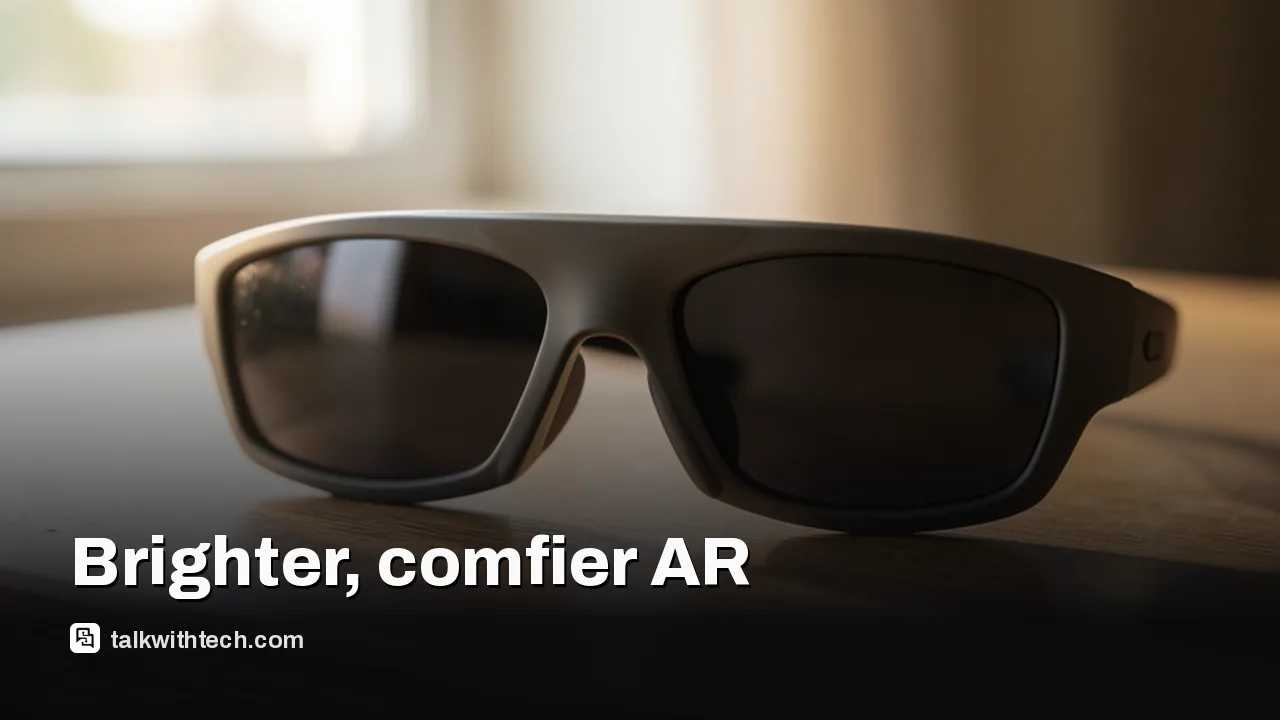
Xreal One Pro+ AR glasses get 1,200 nits and comfier fit
A smoother nose pad and higher brightness define the One Pro+ refresh, while keeping the camera-free design that appeals to privacy-minded users.
Talk With Tech Newsroom
The short version
Xreal unveils a refreshed One Pro+ AR glasses model, focusing on brightness, comfort and improved image processing.
Peak brightness rises to 1,200 nits from 700 nits, aiding outdoor use and high-contrast content.
AI HDR upscaling and a 60Hz 2D-to-3D conversion boost perceived depth without adding cameras.
A redesigned nose pad enhances long-term wearability while preserving the same field of view.
Quick read · 1 min
Xreal updates its AR glasses lineup with the One Pro+, emphasizing a brighter screen and better comfort while keeping the camera-free design.
The new model hits 1,200 nits of peak brightness, up from 700 nits, and adds AI HDR upscaling plus a 60Hz 2D-to-3D conversion for smoother depth. A redesigned nose pad aims to improve comfort during longer use.
There’s still no camera, which preserves privacy and keeps the hardware light. It costs $600 and is available now in the US. If you want AR glasses focused on display quality and comfort rather than mixed-reality features, this is worth a look.
Xreal has rolled out a refreshed flagship for its AR glasses line with the One Pro+ model. The update keeps the camera-free approach but tunes brightness, comfort and image processing for a sharper everyday experience.
The standout change is brightness. The One Pro+ can reach 1,200 nits of peak brightness, up from 700 nits on the previous model. That boost helps when you’re outside or in bright environments, making virtual content easier to see without squinting at the screen.
On the software side, Xreal adds AI HDR upscaling to improve the quality of visuals when you’re projecting 2D sources into a pseudo-3D space. The company also lifts its 2D-to-3D conversion rate from 30Hz to 60Hz, which makes motion feel a touch smoother and more natural when you’re using apps or watching videos that simulate depth.
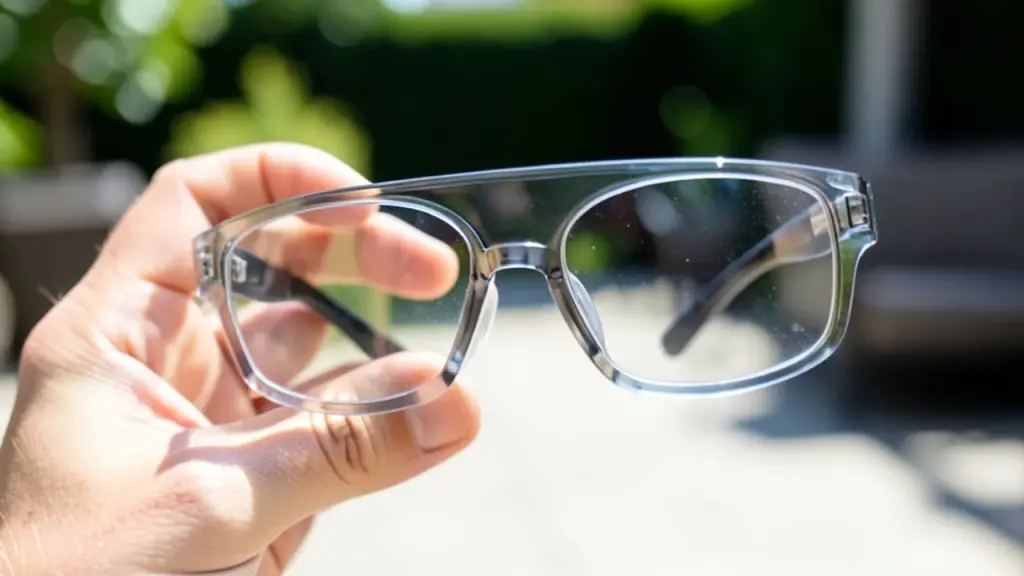
Comfort gets a notable upgrade with a redesigned nose pad. Xreal says the new pad improves stability during longer sessions without shaving away any field of view. That matters if you plan to wear the glasses for work or long media sessions.
As before, there’s no integrated camera. That keeps things privacy-friendly and lightweight but means you won’t get hands-free video capture or true mixed-reality features that rely on pass-through cameras. The company leans into display quality and comfortable wear as the core appeal.
Prices and availability stay the same for now. The One Pro+ is listed at $600 and can be purchased now in the US. If you’ve been curious about AR glasses that don’t carry camera-based features, this refresh doubles down on screen quality and long-wear comfort.
For everyday users, the takeaway is simple: if you want brighter outdoor viewing and a more comfortable fit for longer sessions, the One Pro+ could be worth a look. The trade-off remains unchanged: no camera means fewer mixed-reality tools but better privacy and lighter hardware overall.
If you’re shopping around, consider testing brightness in person and trying the new nose pad fit to see if the comfort improvement is noticeable for you. The core AR experience, screen-based productivity and media, stays consistent with the prior model, just with a brighter display and a more comfortable nose area.