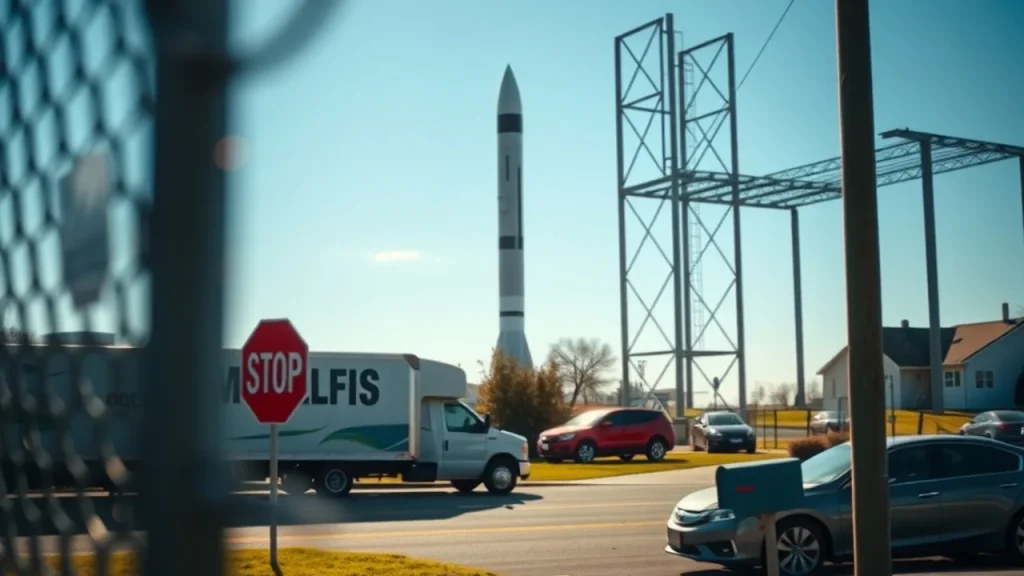
A new hypersonic missile production campus is planned just outside Rio Rancho, New Mexico, near hundreds of homes.
Residents worry about safety and unknowns around chemical storage, fire risk, and disaster planning.
Castelion, a defense tech startup, positions Project Ranger as a high-profile, cost-conscious push into hypersonics.
Officials have raised questions about safety assessments and how fires or accidents would be handled.
Quick read · 2 min
A New Mexico community near Rio Rancho learned that a startup building hypersonic missiles plans to put a large manufacturing campus within a stone’s throw of hundreds of homes. The project, called Project Ranger, is being developed by Castelion, a company founded by former SpaceX executives. If it goes ahead, the site would become America’s largest dedicated hypersonic production hub, with a campus planned to begin mass production in the near future.
Residents say the idea of a facility that houses weaponized, high-speed missiles is already alarming. The company has kept many specifics under wraps, and questions about safety have persisted as the project has moved from planning to construction. An official hazard assessment found that in a worst-case scenario, a fire could release harmful gases, and the plan includes storage of heat-sensitive chemicals and propellants on site.
The site spans about 1,000 acres and is near homes and parks.
Naval contracts support prototype and manufacturing work.
Local oversight and safety communication are key concerns for residents.
A New Mexico community near Rio Rancho learned that a startup building hypersonic missiles plans to put a large manufacturing campus within a stone’s throw of hundreds of homes. The project, called Project Ranger, is being developed by Castelion, a company founded by former SpaceX executives. If it goes ahead, the site would become America’s largest dedicated hypersonic production hub, with a campus planned to begin mass production in the near future.
Residents say the idea of a facility that houses weaponized, high-speed missiles is already alarming. The company has kept many specifics under wraps, and questions about safety have persisted as the project has moved from planning to construction. An official hazard assessment found that in a worst-case scenario, a fire could release harmful gases, and the plan includes storage of heat-sensitive chemicals and propellants on site. The report also notes that, in certain conditions, a large storage fire could pose significant risks to nearby neighborhoods if not properly contained.
Castelion emphasizes its mission as a national defense project and points to large contracts awarded by the Navy in recent months to support prototype and manufacturing efforts. Still, residents say safety concerns deserve transparent answers, especially given how close some homes sit to the planned facilities.
01
What exactly is being built and where
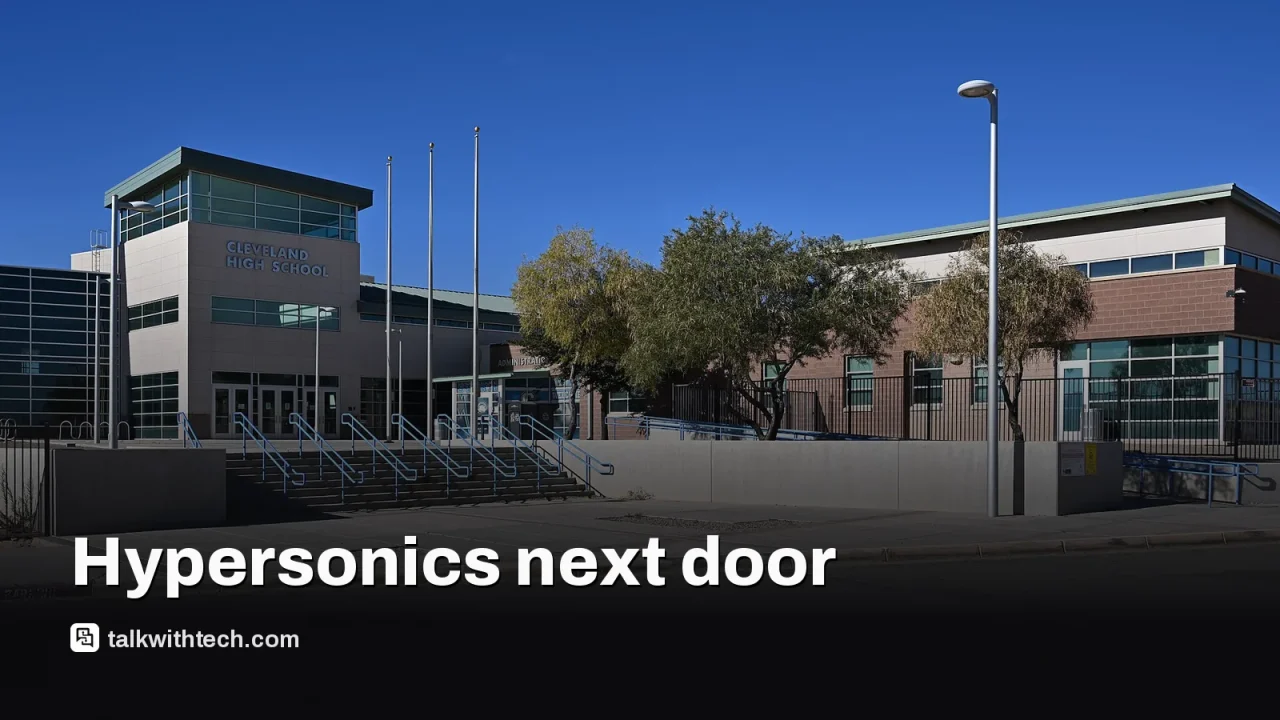
The planned site sits on roughly 1,000 acres and has been described as a major manufacturing and testing hub for hypersonic missiles. Ground was broken in January, and officials say the project is moving toward mass production as early as next year. The location is within Rio Rancho Estates, a community that has become a mixture of families and retirees living in a rural-urban fringe near elementary schools and parks.
02
Why safety questions are rising now
Safety concerns center on chemical storage, potential fires, and the proximity of the site to homes. An official hazard assessment indicates that in a worst-case scenario, buildings could burn and release hydrochloric acid gas. The assessment also discusses storage of materials like ammonium perchlorate and other oxidizers in covered magazines and bunkers. Residents have raised questions about whether safety plans, fire response, and evacuation routes are being adequately prepared and shared with the community.
03
What Castelion is saying and what the contracts show
Castelion describes Project Ranger as a major, cost-conscious effort to bring hypersonic capability to the United States. The company has secured several Navy contracts in 2025 and 2026 to develop prototypes and production services, indicating serious government interest in bringing domestic manufacturing of advanced weapons under one large roof. Still, a number of details, like exact production timelines, on-site staffing, and daily safety drills, remain under wraps as the project proceeds.
04
What this could mean for everyday life
For residents, the big question is how this will affect daily life. Impacts could range from changes in land use rules and local zoning to new emergency procedures and potential job opportunities if the campus brings workers and services to the area. It’s also a reminder that defense development can land close to ordinary neighborhoods, which makes local oversight and clear safety communications all the more important.
Officials say the project remains under review as Castelion pursues final permits, safety clearances, and public-facing plans. Residents should watch for updated hazard assessments, evacuation information, and community briefings. If you live nearby, consider requesting copies of safety plans and asking your local government for clear, practical information on fire safety and emergency response routes.
06
Quick answers
What is Castelion building?
A large hypersonic missile factory and testing campus intended to be a major production hub for the company’s Project Ranger.
Why are people worried?
Because the site stores propellants and oxidizers near homes, with guidance on fire safety and chemical releases still evolving.
When will this affect me?
Construction is underway and mass production could start as early as next year, but safety plans and community briefings are ongoing.
A Ukrainian drone attack is claimed to have disrupted a Russian data center, prompting questions about wider effects on digital networks during conflict.
Sen. Maggie Hassan questions whether Trump Mobile has the FCC permissions to run international calling and notes gaps in robocall plans after a data breach.
3 min read
We use cookies to understand how readers use Talk With Tech, so we can make it better. Is that OK? Privacy policy
The Daily Brief
Today's biggest tech stories, in 5 minutes
Every morning, the news that matters from AI, phones, apps and the people shaping tech. Explained in plain English. Free.
One email a day. No spam, unsubscribe anytime. Privacy policy