Thursday, 15 October 2026

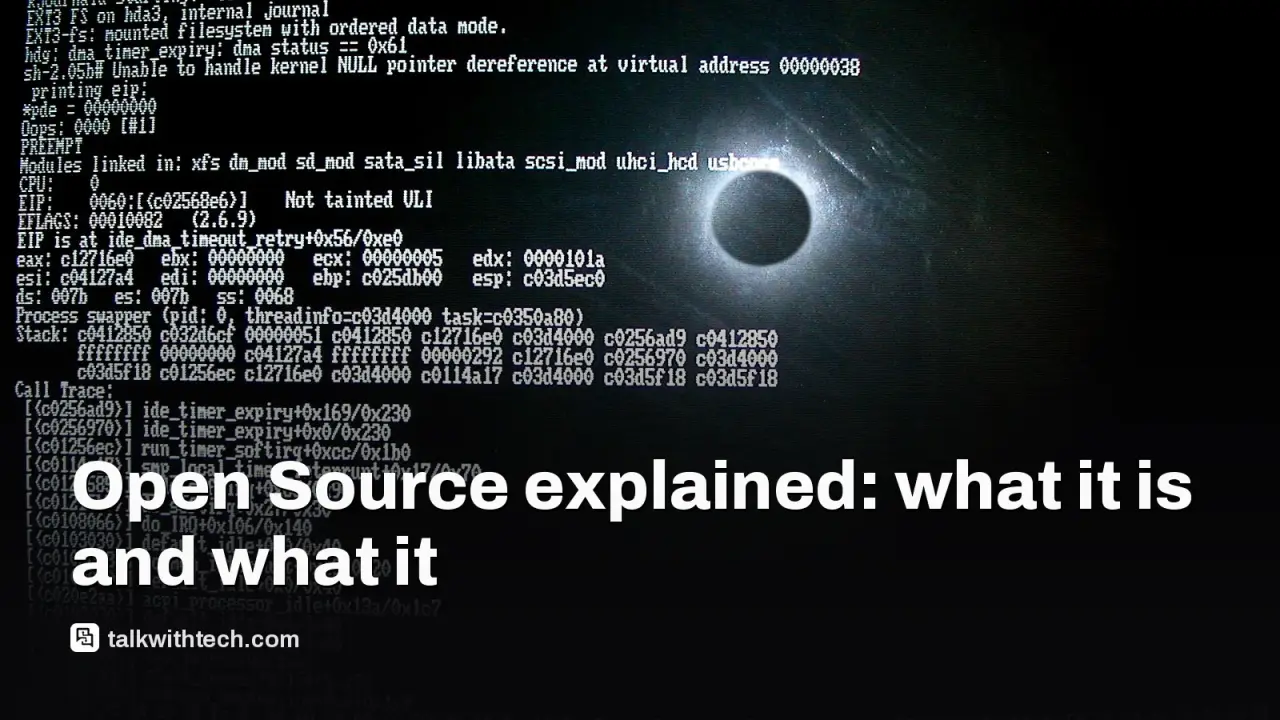
Open Source explained: what it is and what it means for you

Open source lets anyone see, modify and share software. Here’s how it works, why it’s hot now, and what it means for your everyday tech.

Linux Kernel, related to: Open Source explained: what it is and what it means for you
Photo: Dolda2000 , Adamantios / Public domain (modified)

The short version

  • Open source means software whose code is public so anyone can study, modify and share it under certain licenses.
  • It’s not a free-for-all; licenses set rules about distribution, attribution, and safety.
  • Recent talks center on how AI tools, decompilation, and cloud services are reshaping how software is made and sold.
  • For everyday users, the big questions are who runs software, how your data is treated, and what you can choose to run locally or as a service.
Quick read · 1 min

Open source means software whose code is public for anyone to view and improve. Licenses set the rules, so it isn’t a free-for-all, but it enables collaboration and accountability.

Three recent stories show why it matters now: AI tools and decompilation are pushing toward more openness and cloud-based services; the Linux kernel team now allows AI help in patches as long as humans verify the result; and a Microsoft project released an open-source bias-correction tool to improve weather forecasts on standard PCs.

For you, open source can mean more choice, better security through more eyes, and the option to run software locally if you want to avoid cloud services. Expect licensing tweaks and new governance as these tools mature. Look for how your favorite apps are built and who maintains them in the months ahead.

Open source is software whose underlying code is available for anyone to view, modify and share. In plain terms, it means the building blocks of your apps and devices aren’t a closed box you can’t peek inside; they’re a collaborative project open to improvement by communities and companies alike.

01

What it is

The core idea is simple: visibility and collaboration. When code is open, developers can learn from it, fix bugs faster, and adapt software for new uses. That doesn’t mean everything is free or unregulated. Open-source licenses set the ground rules about who can use the code, how changes must be shared, and how attribution works. Some people worry about safety or quality, but the big trend is more people contributing and more audits of how software behaves in real life.

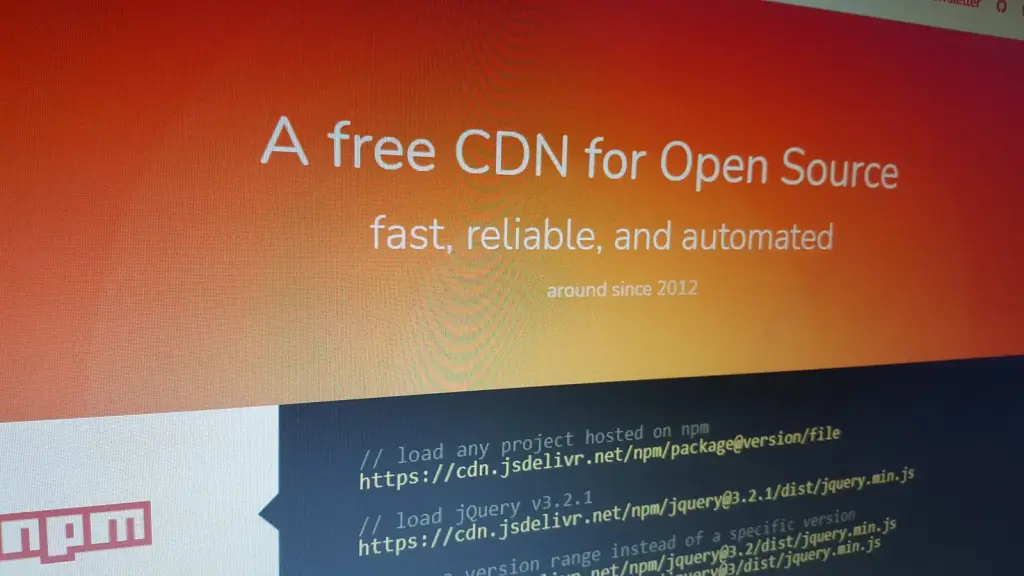
Open Source
Photo: Muhammad Rafizeldi / CC BY-SA 4.0 (modified)
02

How it works

Open source projects usually publish a license, a public code repository, and a process for reviewing contributions. You might see patches, pull requests, and community reviews. The Linux kernel example from Talk With Tech shows how AI tools can assist developers, while still requiring human review to ensure reliability and safety. In short, you can use AI as a helper, but the final code is judged and tested by people who understand the system and its risks.

03

Why it’s in the news right now

Three recent threads show the current tension and momentum around open source. First, a well-known thinker warned that software secrecy is eroding as AI-assisted tooling and decompilation improve, pushing vendors toward cloud-based services to maintain control. Second, the Linux kernel project updated its policy to allow AI-assisted contributions without a formal disclosure in every patch, emphasizing that the code must work and be understood by humans. Third, Microsoft and partners released an open-source tool to improve weather forecasts by correcting bias in existing models, making AI-assisted weather science more accessible on standard CPUs. Taken together, these pieces highlight how AI tools, cloud services and open collaboration are reshaping how software is built and who controls it.

Hand choosing between phone and small home server on a table
04

What it means for you

If you care about privacy, security, or staying flexible with devices, open source matters because it gives more eyes on code and more ways to customize or replace parts of software you rely on. You may run open-source components locally, or rely on cloud services that use open-source foundations. In either case, you’ll want to understand who is operating the service and how your data is handled. The trend toward cloud-based platforms is real, but so is the ability to run software on your own hardware if you choose to.

05

What to watch next

Expect ongoing debates over how much code should be open, how AI tools should be disclosed, and what safety measures teams put in place when enabling collaboration at scale. Watch for shifts in licensing, governance of large projects, and tools that bring AI into the development workflow without undermining accountability.

06

What happens next

As AI-enabled tools and cloud models mature, more software will be delivered as a service, with responsibility and controls shifting toward providers. At the same time, communities will keep refining how open-source models balance safety, reliability and accessibility. The next moves will show up in licensing tweaks, new review processes, and more open-source pilots in areas like weather forecasting and beyond.

07

Quick answers

What is open source in one sentence?

Open source is software whose source code is public, allowing anyone to view, modify and share it under licenses that set the rules.

Is open source free?

Not always. Open-source licenses govern usage, distribution and attribution; some software is free to use, while commercial versions may exist with paid support or added features.

For readers who want a practical takeaway: you don’t have to be a developer to think about open source. Consider how the software you use is built, who maintains it, and whether you trust the provider to protect your data. The conversations and experiments around AI-assisted development and cloud services aren’t going away, and they’ll shape what software you can rely on next.
You're reading the quick version.