Apple OpenAI hardware plans: ecosystem beats single AI devices
Apple’s Greg Joswiak tells TIME that Apple isn’t worried about OpenAI’s hardware ambitions and argues Apple’s ecosystem offers a stronger everyday-people advantage.
Apple does not feel threatened by OpenAI's hardware ambitions, according to Greg Joswiak.
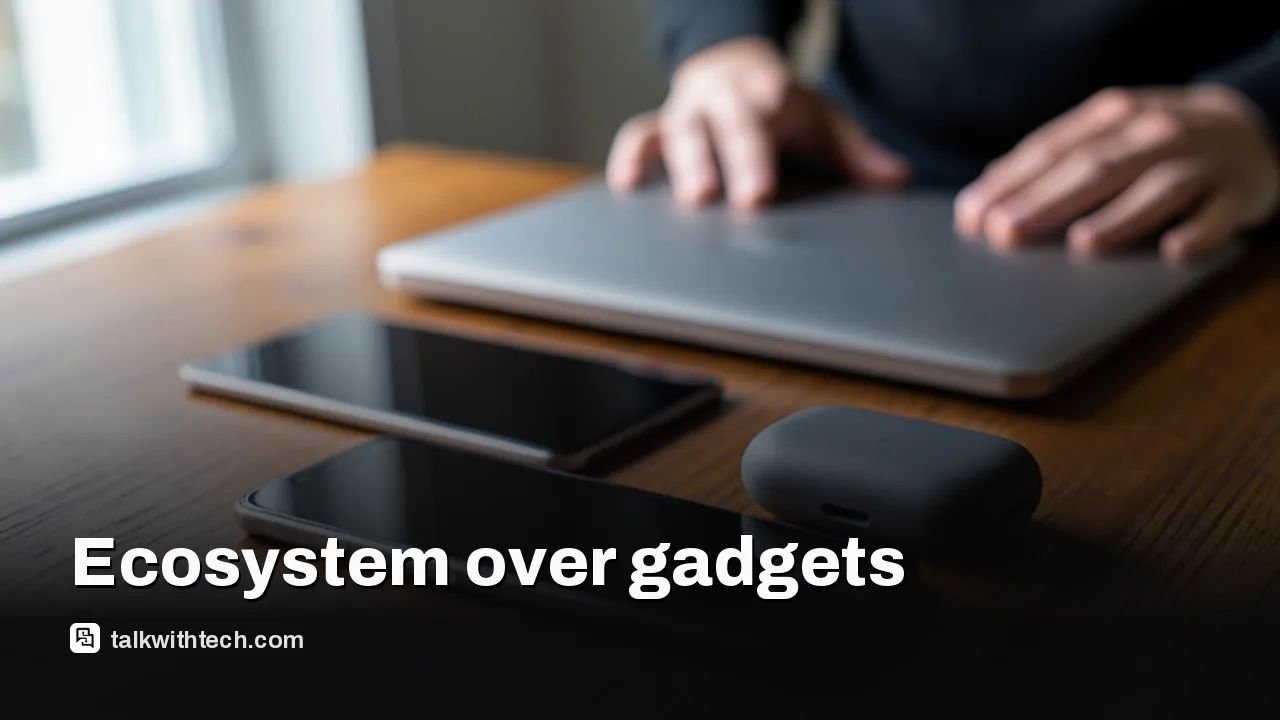
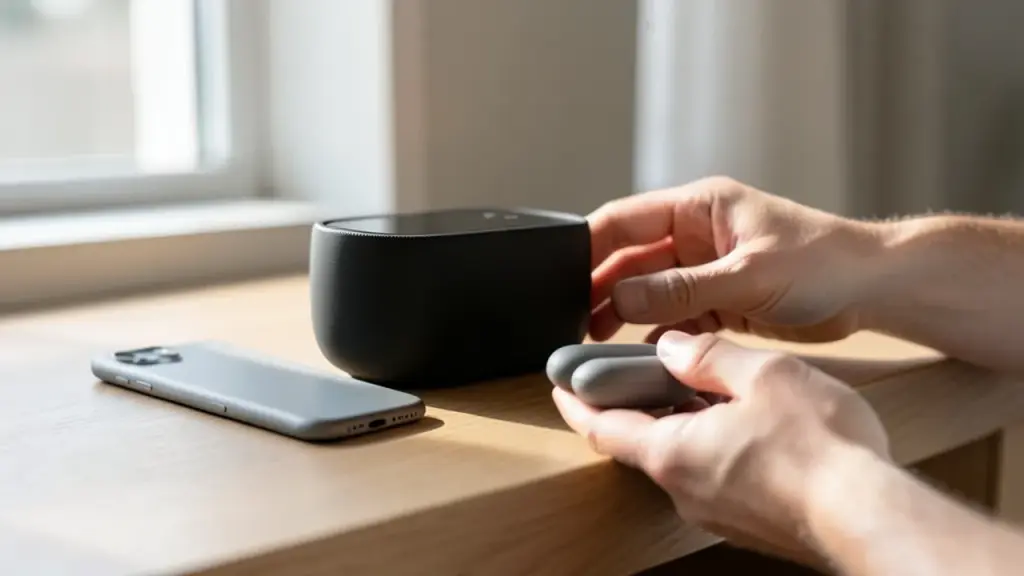
Apple argues its ecosystem approach, integrating hardware, software and services, offers a better everyday experience.
Joswiak contrasts Apple's target audience with AI enthusiasts, emphasizing privacy and practicality for ordinary people.
Quick read · 1 min
Apple says it isn’t threatened by OpenAI’s hardware plans. Greg Joswiak, Apple’s marketing chief, frames Apple’s strategy as focusing on everyday usefulness and privacy, rather than competing for the most advanced AI hardware. The company believes its well-integrated ecosystem, hardware, software and services, offers a clearer, more practical path for most people.
What this means for you: expect AI features that feel helpful and private, not tech-snooty or data-hungry. For now, Apple is betting on a steady rhythm of user-friendly updates rather than a race to the top of AI hardware power.
Apple emphasizes everyday usefulness over fringe AI enthusiasts
Privacy remains a core design choice
Updates are likely to improve integrated experiences across devices
Apple says it does not feel threatened by OpenAI’s foray into hardware, a stance shared by Greg Joswiak, Apple’s senior vice president of Worldwide Marketing. In a TIME interview, Joswiak pushes back against what he calls the “lunatic fringe” of AI in Silicon Valley and argues Apple’s current path, built on a tightly integrated ecosystem, gives it a durable edge.
Joswiak’s main line: Apple’s strength isn’t chasing the frontier of AI research, but delivering a practical, privacy-minded experience for everyday users. He suggests that even if OpenAI or others push advanced AI hardware, Apple’s ability to weave hardware, software and services into a single, cohesive experience is what resonates with real people, not just tech enthusiasts.
That stance comes as Apple continues to emphasize privacy and user control as differentiators in a crowded field. Joswiak notes Apple trains its own models but avoids framing AI as a technology for superintelligence alone. Instead, he says the aim is to “make it better for everyday people” through a thoughtful, user-first approach.
01
Which audience is Apple aiming to serve
Joswiak argues Apple isn’t chasing the AI enthusiast crowd, a demographic he characterizes as the “lunatic fringe.” The company wants tools that feel useful in daily life, not tools that require a PhD to operate. That stance reinforces Apple’s long-running message: privacy, ease of use and a well-integrated ecosystem matter more to most customers than pushing the very latest AI capability for its own sake.
02
The hardware conversation, framed by privacy
The TIME interview frames Apple’s position as a privacy-forward alternative to AI hardware bets that could require sweeping data access. Apple has repeatedly highlighted its stance that privacy is a design choice, and Joswiak’s comments align with that narrative by focusing on ordinary users who want useful, secure tech rather than revolutionary AI breakthroughs on every device.
03
What this means for Apple’s future products
While OpenAI and others pursue hardware-oriented AI initiatives, Apple’s path remains anchored in delivering integrated experiences across devices. For readers, that path translates to continuing to see Apple push privacy protections, easy-to-use AI features, and tightly coordinated hardware-software integration rather than a race to deploy ever more powerful AI processors in consumer devices.
04
What happens next
Apple’s public stance suggests more conversations about how AI features will be embedded in everyday devices, with an emphasis on privacy and user-friendly design. As AI becomes more common in devices, expect Apple to frame updates around practical usefulness rather than sheer capability.
The next-gen Kaleido 4 color screen promises brighter whites, better contrast and faster refresh for color e-readers and note-takers, starting in China.