Endurance racing is leaning into multi-hour, multi-class formats suited for streaming and second-screen viewing.
Series organizers want longer, stable rule sets to reduce costly redesigns and surprises for teams.
Fans now get more access at events and richer storytelling online, boosting engagement.
By 2030, the mix of software, data and regulation aims to keep costs predictable while expanding the sport’s audience.
Quick read · 1 min
Endurance racing is gearing up for 2030 with longer formats, stable rules and greater use of software and data. This mix is designed to attract more streamers and everyday fans, while keeping costs in check for teams.
What this means for you: expect longer races, clearer explanations of strategy, and more on-screen context. The next steps include ongoing rule discussions and more investment in race-day software to preserve predictability and growth.
Long formats and richer streaming coverage
Stable rules to limit costly changes
More fan access and data-driven reporting
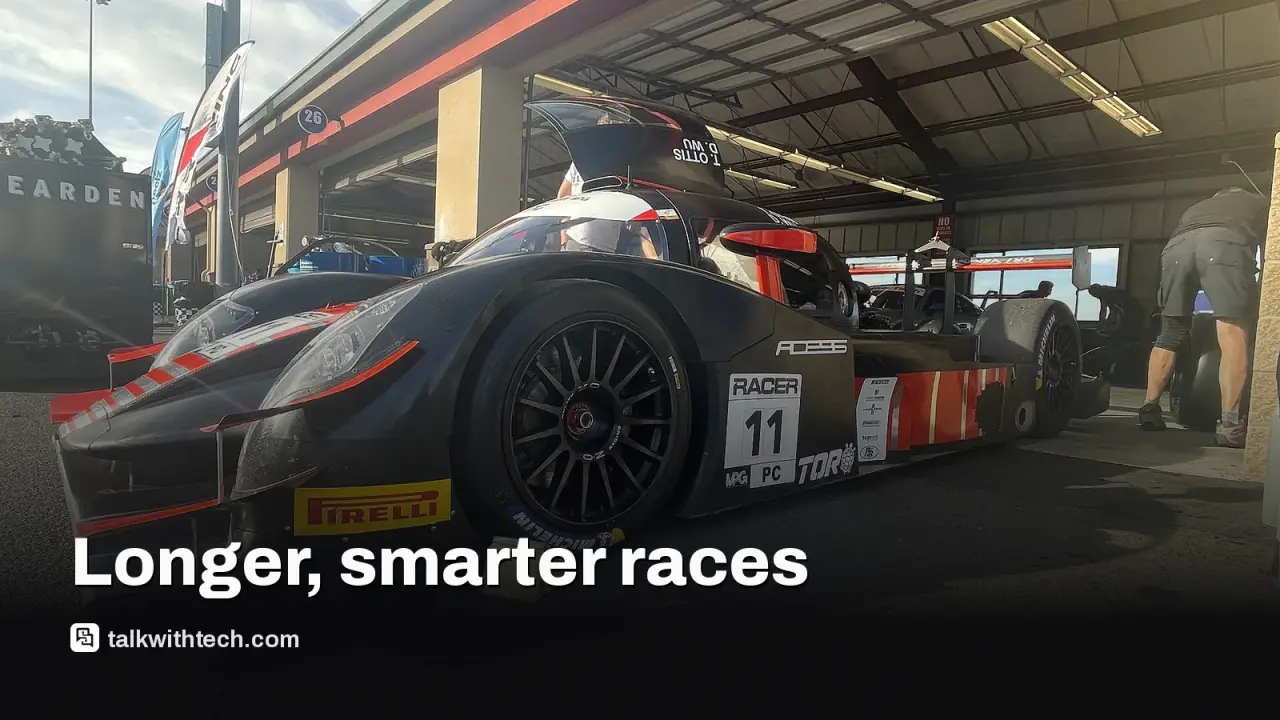
Endurance racing is lining up a new playbook for 2030, combining steadier rules with smarter software and longer race formats. The IMSA WeatherTech SportsCar Championship and its marquee endurance events are riding a wave of streaming interest, with fans tuning in for multi-hour, multi-class races that reward strategy and reliability as much as raw speed.
IMSA President John Doonan says the sport is evolving beyond pure speed to a more complete experience for fans and teams alike.
“I think we’re just scratching the surface. Besides the people here on the ground, the people watching, people engaging with us on social media, I’m seeing the passion come out more on the grid walk,” Doonan notes. The effort to open paddock access and expand youth involvement mirrors a broader push to train the next generation of mechanics with ASE-certified programs, signaling a bid to stay relevant with younger audiences and the workers who keep the wheels turning.
The 2026 season, capped by the Petit Le Mans finale at Road Atlanta, shows how endurance events are becoming more viewer-friendly on streaming platforms. Viewers want context and longer coverage, which drives teams to optimize software-driven strategies, from simulation and pit-stop timing to data-backed maintenance planning that keeps cars moving for hours.
01
What stays steady and why it matters
One key thread for 2030 is keeping rules stable enough to prevent sudden redesigns and expensive parts changes. A predictable rulebook helps smaller teams plan and invest in long-term software and hardware that can be reused across seasons, rather than chasing frequent shifts that drain budgets and capex.
02
The role of software and data on race weekends
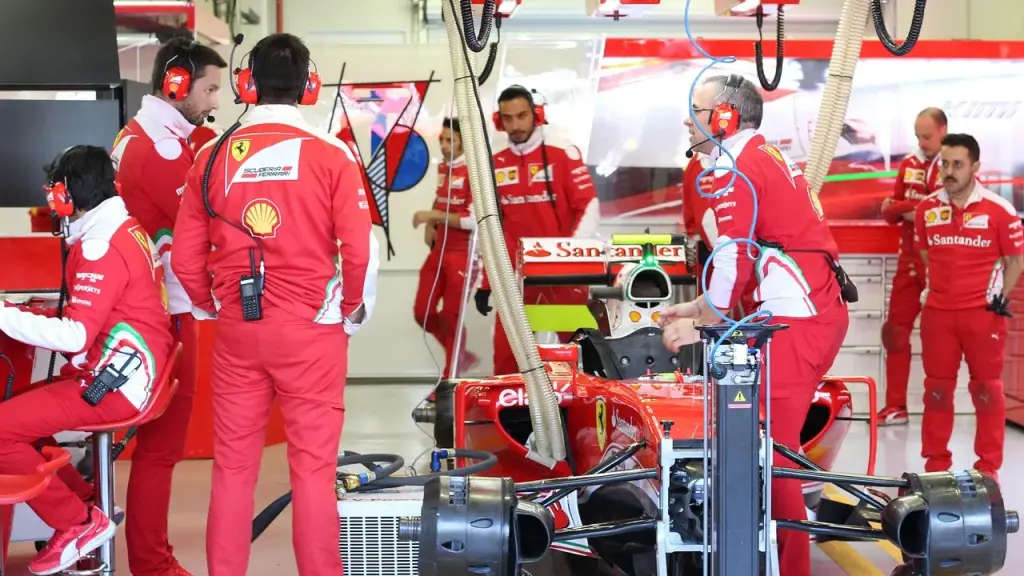
Data streams from cars and sensors are now central to decisions about strategy, tire choices and fuel. Standardized, reliable software tools help crews work faster between sessions and keep performance consistent across the event, which is crucial when races stretch over many hours and multiple classes.
03
What fans can expect when they tune in
For audiences, the shift means richer storytelling, better on-screen context and more accessible explanations of what’s happening on track. Longer races plus deeper data and behind-the-scenes access make events easier to follow, even for casual viewers who aren’t racing insiders.
04
What happens next
Look for continued talks on rule stability and ongoing investments in race-day software workflows. The goal is an ecosystem where innovation on track and in the paddock happens within a clear, predictable framework that can grow the sport in the US and beyond.
A durable 14-inch business laptop that prioritizes comfort and productivity over flashy specs, with a standout keyboard and solid all‑round performance.
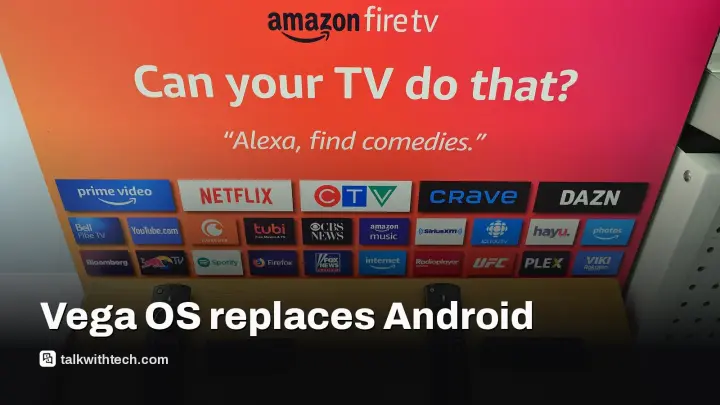
Amazon is phasing out Android-based Fire OS on new Fire TV Sticks in favor of Vega OS, a Linux-based system that promises efficiency but limits sideloading and app choices.
5 min read
We use cookies to understand how readers use Talk With Tech, so we can make it better. Is that OK? Privacy policy
The Daily Brief
Today's biggest tech stories, in 5 minutes
Every morning, the news that matters from AI, phones, apps and the people shaping tech. Explained in plain English. Free.
One email a day. No spam, unsubscribe anytime. Privacy policy