F-22 autonomous drone test shows pilot directing AI wingman
A U.S. Air Force test shows a fighter pilot directing a drone through autonomous tasks during simulated missions, a key step for carrier-like drone swarms in air combat.
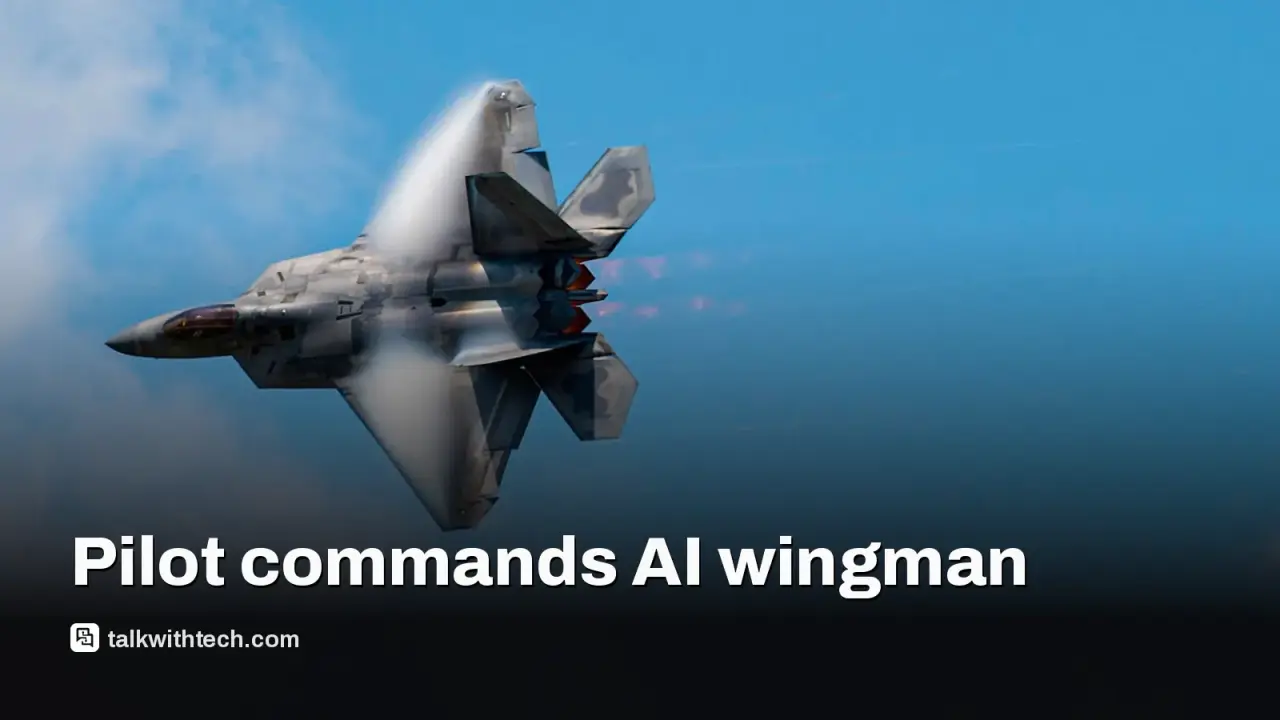
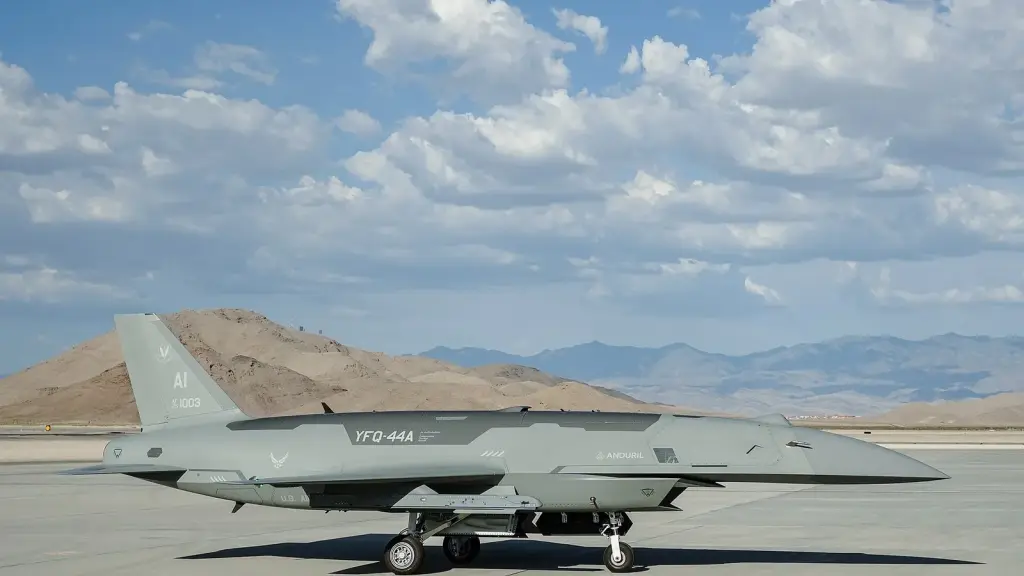
The U.S. Air Force demonstrated an F-22 Raptor pilot directing an autonomous YFQ-44A Fury drone during simulated combat.
The test is part of the Collaborative Combat Aircraft program, which aims to integrate unmanned fighters into squadrons.
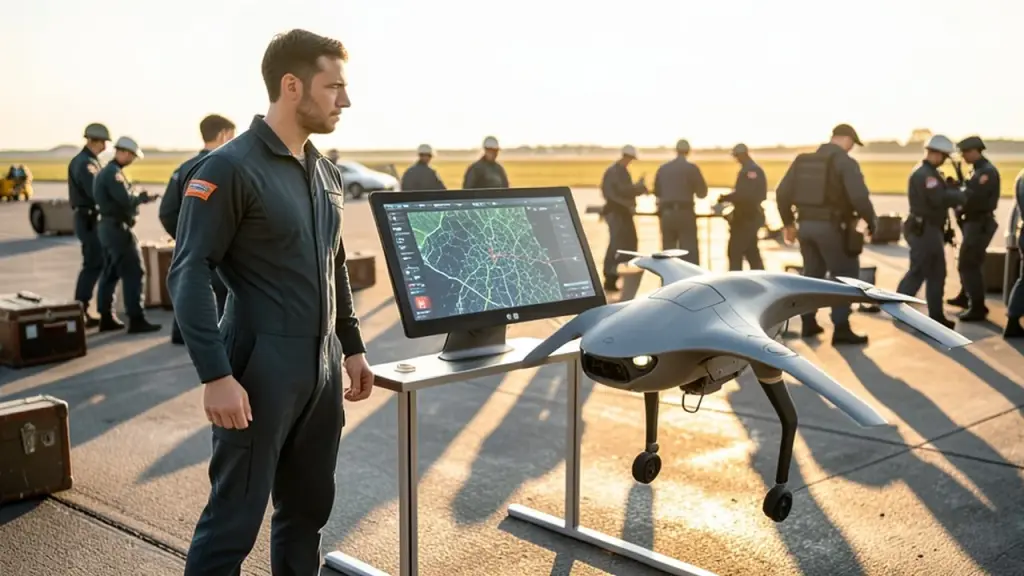
The drone translates tactical commands into autonomous flight tasks, easing pilot workload while maintaining control and safety concerns.
Operational deployment is far from guaranteed; multiple challenges remain, including autonomy limits, safety, and logistics.
Quick read · 1 min
A U.S. Air Force test showed an F-22 Raptor pilot directing an autonomous drone during a simulated combat scenario. The drone, a Fury YFQ-44A, executed tasks based on the pilot's commands, signaling how wingman drones could support future missions.
The goal is to reduce pilot workload and expand air power, but real-world deployment faces hurdles like autonomy limits and safety protocols. Expect ongoing tests to refine how much control a human can hand off to an unmanned teammate, and how these systems would be maintained and integrated into squadrons.
The test is part of the Collaborative Combat Aircraft program.
Operational use will require solving safety and logistics challenges.
The U.S. Air Force has run a notable test: an F-22 Raptor pilot directed an autonomous Fury drone during simulated combat. The demonstration, described as part of the Collaborative Combat Aircraft (CCA) program, aims to show that a single piloted jet can manage multiple unmanned teammates in a mission, rather than having every aircraft manually flown.
In the test, the fighter pilot issued tactical commands to the wingman drone. The drone then interpreted those orders and carried out a sequence of flight maneuvers and tasks to support the mission. The result is a clearer vision of how drones could operate as true teammates, performing surveillance, screening for threats, or engaging targets under the pilot’s overall direction, without the pilot needing to manually fly every aircraft in the sky.
But the path from test to squadron-ready wings is long. Officials say the work must sort out how autonomous the drone can be in real time, how safely it can be controlled, and how weapons authorization would be handled in a mixed, manned-and-unmanned fleet. There are also questions about how such drones would perform under electronic interference and what would happen if a drone loses line of sight to its commander or experiences communications gaps. The U.S. Air Force will also have to stitch this capability into its logistics, maintenance, and forward-deployment procedures before any real deployment could occur.
For readers, the story matters because it shows how the tech that powers drones is moving from prototypes to potential force multipliers. If wingman drones can reliably interpret pilot intent and act autonomously under appropriate safeguards, it could change training, budgets, and the way air power is projected in future conflicts.
01
What exactly happened in the test?
A fighter pilot with the F-22 Raptor commanded an autonomous drone, the Anduril Fury YFQ-44A, during simulated combat. The drone translated the pilot’s tactical commands into a chain of autonomous tasks and flight maneuvers, aiming to complete the mission features while the human pilot focuses on broader strategy and decision points.
Autonomy in military drones is often used to illustrate broader trends in AI and control systems. For everyday people, the takeaway is how AI-driven systems could appear in critical tasks beyond consumer tech, things like collaborative tools that share cognitive load, or safety systems that keep pilots or operators focused on the bigger picture rather than micromanaging every action.
03
What remains uncertain
There are significant questions about the limits of drone autonomy, safety, and integration with existing aircraft. The program still needs to prove reliable under electronic interference, determine safe command boundaries, and ensure reliable maintenance and deployment pipelines before any real-world use is considered.
04
What happens next
Officials will continue iterative tests to map how far autonomy can go without compromising safety and control. Expect more demonstrations as the Air Force weighs how best to balance human oversight with automated capability in future squadrons.
Bloomberg says Apple will reset stores overnight on Nov 5-6 signaling a batch of Macs, plus an OLED iPad mini and a move to the M6 chip in select models.