Tuesday, 13 October 2026

Flock surveillance costs lock cities into years of growing bills

A new look at public records shows how city contracts with Flock Safety can quietly grow over years, tying taxpayers to rising bills and new features.

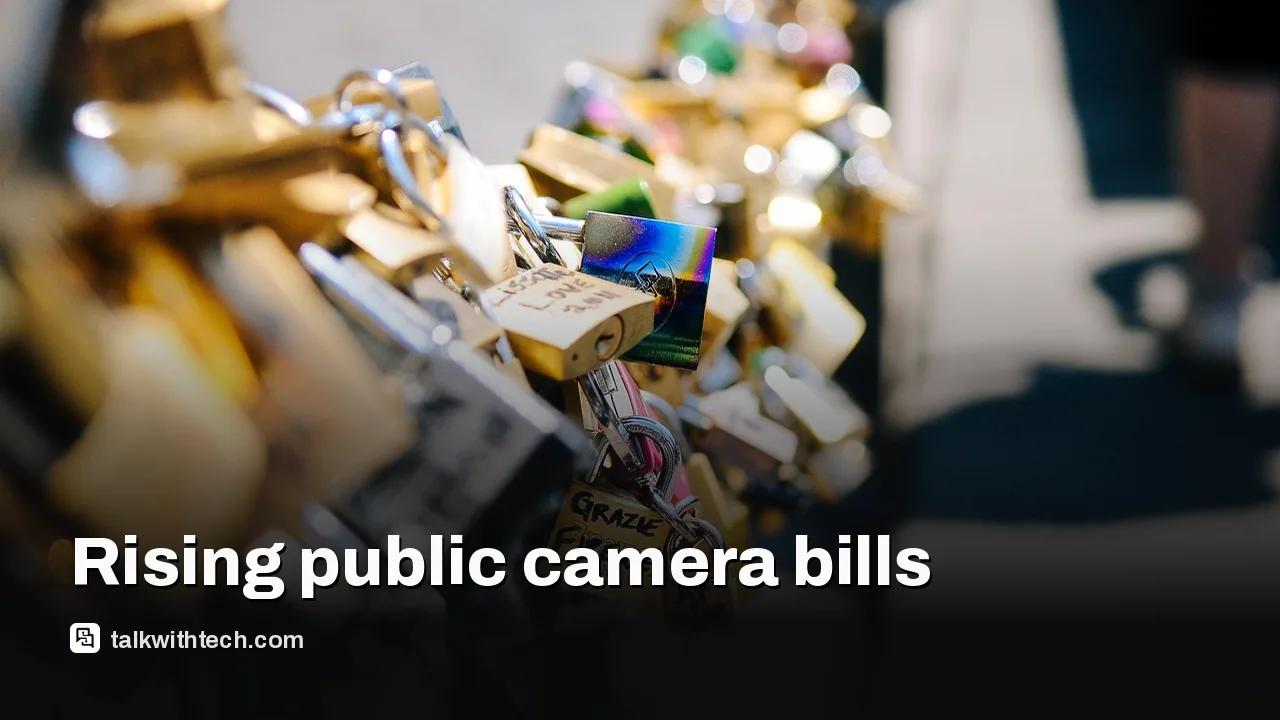
Padlock

The short version

  • Public records show city police departments have kept paying year after year for Flock camera networks, with costs rising as new cameras and software are added.
  • Five-year contracts and multi-year price locks are common, which can obscure how much cities will spend over time.
  • Analysts say ongoing contracts can leave taxpayers funding equipment and services long after a project is initially pitched.
  • The article highlights the balance cities must strike between crime monitoring and accountability to taxpayers.

Quick read · 1 min

Public records show that city police departments’ contracts with Flock Safety often span multiple years and include ongoing maintenance and software fees. As new cameras and features are added, annual bills rise, sometimes through five-year price-lock deals. This means taxpayers may be paying for surveillance gear and services long after the initial purchase. Watch for budget documents and council votes on renewals to understand the true cost and oversight in your area.

What this means for you: transparency matters. People should know how much is spent, what is bought, and what protections exist for data. If expansions are planned, ask what the total cost will be over the contract’s life and how data will be stored and used.

  • Look up budget documents related to police tech contracts.
  • Request plain-language summaries of costs tied to each year of the contract.

Cities across the United States are paying steadily more for Flock Safety surveillance networks, with costs climbing year over year as programs expand. The pattern highlighted by public records shows multi-year contracts, price locks, and ongoing maintenance all contributing to a larger bill for taxpayers. The trend isn’t limited to one city or one state; several departments have moved from initial camera buys to broader software packages and drone capabilities, all under longer-term agreements.

01

What Flock is and why cities use it

Flock Safety sells license plate reader cameras and related software used by some police departments to track vehicles. Cities often start with a small fleet and add cameras, software tools, and extras like real-time dashboards or drone integrations over time. The end result is a single vendor handling multiple components of a city’s surveillance ecosystem, which can simplify procurement but also lock in pricing for years.

Technology
02

How the costs add up over time

Public records show annual bills that include camera maintenance, software subscriptions, and new camera hardware. In several cases, five-year contracts are common because they are advertised as price-lock promotions. The result can push a city’s yearly spend higher than initial expectations, while spreading the cost across multiple years and programs. In some examples, departments fund upgrades alongside ongoing maintenance, making it hard to see where the money goes each year.

03

Why this matters for taxpayers

When a city signs a long-term deal with a surveillance vendor, the total cost can far exceed what was initially budgeted. Even after plans to expand are announced, there’s often no clear end to payments unless the city revisits the contract sooner than planned. Advocates say the arrangement helps departments keep up with new technology, while critics worry about ongoing expenses and the potential for mission creep or reduced political appetite to roll back programs later.

04

What to watch next for readers in the US, UK and Canada

Budget transparency matters. Look for city council votes or public records on renewal terms, price adjustments for new cameras, and whether multiyear contracts lock in prices for equipment that may outlast the original project. If a city considers expansion, residents may want to ask:

  • What’s the total projected cost over the life of the contract?
  • What happens if the city wants to scale back or unwind the program?
  • What privacy safeguards accompany the surveillance system?
05

What this means for everyday users

For residents, the practical takeaway is simple: ask how much the city plans to spend on surveillance in the next several years and what that buys. It isn’t about opposing safety tech, but about ensuring money is spent wisely and that there are clear rules on data handling, retention, and oversight.

06

What you can do now

If you’re a voter or resident, request public budget documents related to police tech contracts, attend council meetings when these topics come up, and look for plain-English explanations of costs tied to each year of a contract. Transparency helps communities weigh safety benefits against long-term expenses.

07

Quick answers

What exactly is included in a Flock contract?

Contracts typically cover camera hardware, maintenance, software access, and sometimes add-ons like advanced analytics or drone integrations; exact inclusions vary by city and agreement.

Can a city end or renegotiate a long-term contract?

Renewals and price-locks complicate exits; cities may renegotiate terms at renewal, but early termination often carries penalties or service requirements.

You're reading the quick version.