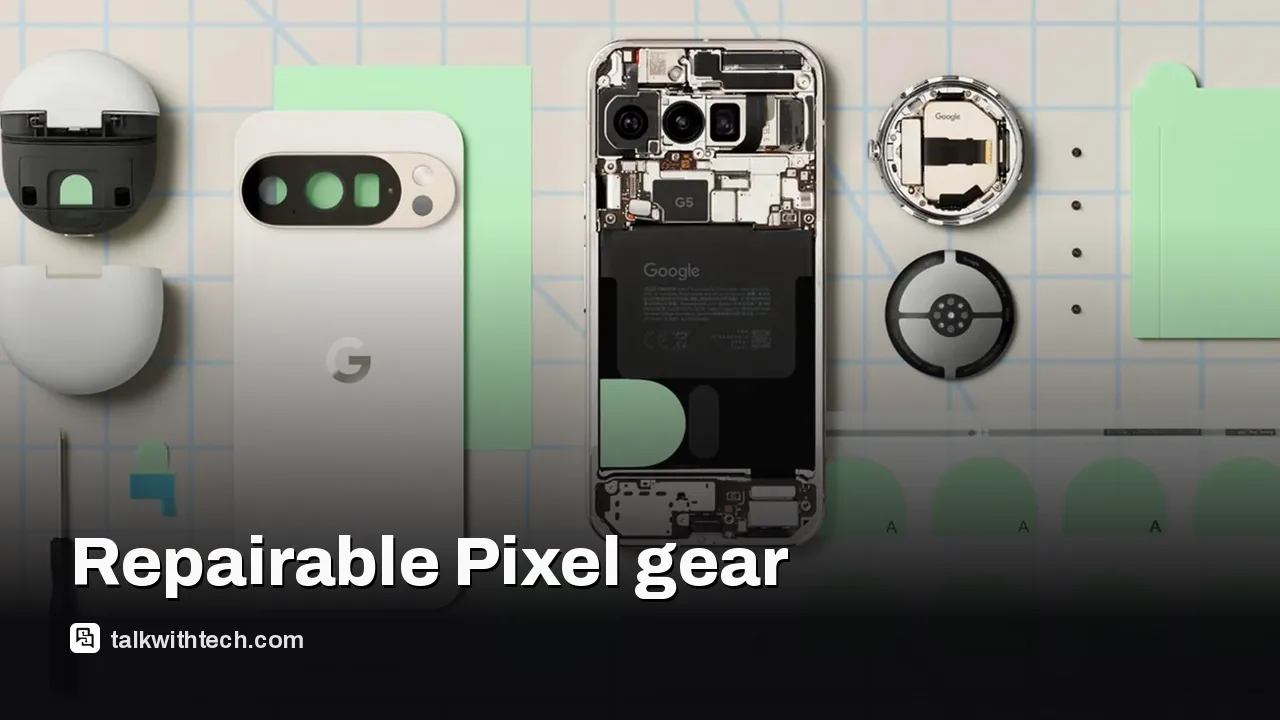
Google marks International Repair Day by detailing a repair-friendly design for Pixel Watch 4 and 5 and a new Fitbit Edge.
The company highlights a modular architecture, a 9/10 repairability score from iFixit, and more accessible repair paths through My Pixel, Google Store, and a global service network.
Expanded certified refurbished program includes Pixel 9 series with discounts in the US and new availability in Japan.
Google also promotes trade-in, warranty protection, and on-device support to help users extend device life.
Quick read · 2 min
Google marks International Repair Day by outlining a repair-friendly plan for Pixel Watch 4 and 5 and a new Fitbit Edge, including modular hardware and a 9/10 repairability score from iFixit. The company is expanding support channels, trade-ins, and a Certified Refurbished program that brings Pixel 9 devices to the US at discounts and new refurbished devices to Japan this October. The goal is to extend device life, cut e-waste, and offer affordable paths to repair or upgrade.
For everyday users, this means more options to fix rather than replace gear. You’ll find diagnostics in the My Pixel app, repair hubs in the Google Store, and a growing lineup of refurbished devices backed by a one-year warranty. In the near term, expect more repair-friendly devices in the pipeline as Google’s design philosophy shifts toward longevity.
Next steps: check your My Pixel app for health, explore the repair hub if you’re dealing with a faulty part, or consider a Certified Refurbished Pixel 9 if you want a cheaper route to current hardware.
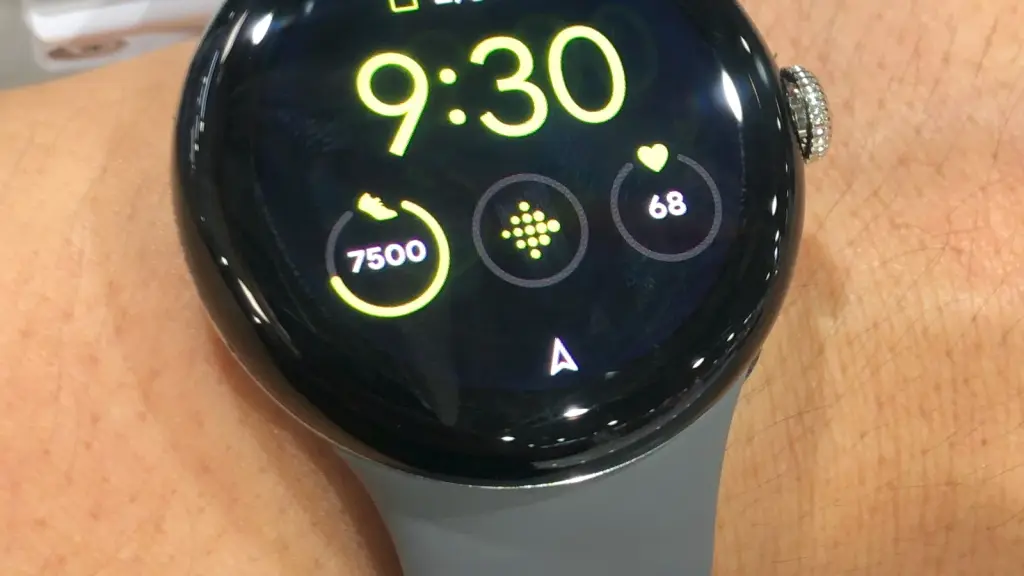
Google is taking its repairability push beyond smartphones with a broader approach to letting devices last longer. On International Repair Day, the company outlined how Pixel Watch 4 and 5, plus a new Fitbit Edge fitness tracker, are designed to be easier to repair. Google says these devices use modular architecture, moving away from glued, hard-to-service components.
That modular approach isn’t just tech chatter. Google notes that iFixit gave the Pixel Watch a 9 out of 10 repairability score, and the company is applying the same mindset to the Fitbit Edge, described as the first repairable fitness tracker with a replaceable battery and internal modular parts. The aim is to reduce waste and give users a longer, more useful lifespan for their wearables.
For users who want to repair or replace parts, Google is expanding how you access help and parts. Options include Pixel Care+ for protection against everyday mishaps, the My Pixel app on-device support that can run diagnostics, and a dedicated Google Store repair hub with clear pricing tailored to your country. There’s also a streamlined self-repair option integrated with Your Devices, making it easier to start a repair without hunting for the right tool or part.
Beyond repairs, Google is expanding ways to keep devices in use through trade-ins and refurbished devices. The Google Store Trade-In Program lets you exchange eligible devices for store credit, and the Certified Refurbished program is growing. Eligible devices get genuine Google parts, up-to-date Android software, plastic-free packaging, and a one-year warranty. In the United States, the Pixel 9 series joined the refurbished lineup with discounts, while Japan saw refurbished devices added this October.
In practical terms, this means a longer life for gadgets you already own and a clearer path to newer devices without throwing away what still works. If you’re trying to stretch your tech budget or simply want to cut down on e-waste, there are more options to keep devices in rotation instead of cluttering drawers or landfills.
Google says the drive to repairability will influence future devices too, not just what’s rolling out today. The company points to repair-friendly design as a core value when engineers plan new hardware, software, and support channels.
What happens next could be a simple test for how much users actually lean on repair options. If repairability becomes a routine choice, you may see more parts listed in official repair hubs, more affordable self-repair kits, and more devices designed to be taken apart and fixed rather than replaced.
01
What this means for everyday life
For most people, repairability translates to lower costs over time and less e-waste. If your Pixel Watch or Fitbit Edge needs a battery or a component swap, the new modular design and expanded repair channels could make it practical to fix rather than replace. And with refurbished devices backed by a one-year warranty, you’ve got safer, longer-lasting options at potentially lower prices than buying new.
Look for more Pixel and Fitbit devices that adopt repair-friendly designs in the coming months. If you’re considering a repair or upgrade, check the My Pixel app’s diagnostics tab, the Google Store repair hub, or the trade-in page for options in your country. The company didn’t announce exact prices for parts or repairs across all regions, but the emphasis is clear: longer life, easier fixes, and certified refurbished paths are part of the plan.
Google is applying the repairable design approach to the Pixel Watch 4 and 5 and a new Fitbit Edge now, with a broader call to extend device lifespans across future products.
How do I repair or replace parts?
Use the My Pixel app for diagnostics, visit the Google Store repair hub, or consider the self-service repair option if available in your area.
What about refurbished devices?
The Certified Refurbished program is expanding, with Pixel 9 series available in the US at discounts and new refurbished devices in Japan this October, all with genuine parts and a one-year warranty.
The next-gen Kaleido 4 color screen promises brighter whites, better contrast and faster refresh for color e-readers and note-takers, starting in China.
Apple’s Greg Joswiak tells TIME that Apple isn’t worried about OpenAI’s hardware ambitions and argues Apple’s ecosystem offers a stronger everyday-people advantage.
NVIDIA and Microsoft push Windows 11 on Arm into a new era with RTX Spark, pairing an Arm CPU, Blackwell GPU, and up to 128GB of unified memory to run AI models locally.
3 min read
We use cookies to understand how readers use Talk With Tech, so we can make it better. Is that OK? Privacy policy
The Daily Brief
Today's biggest tech stories, in 5 minutes
Every morning, the news that matters from AI, phones, apps and the people shaping tech. Explained in plain English. Free.
One email a day. No spam, unsubscribe anytime. Privacy policy