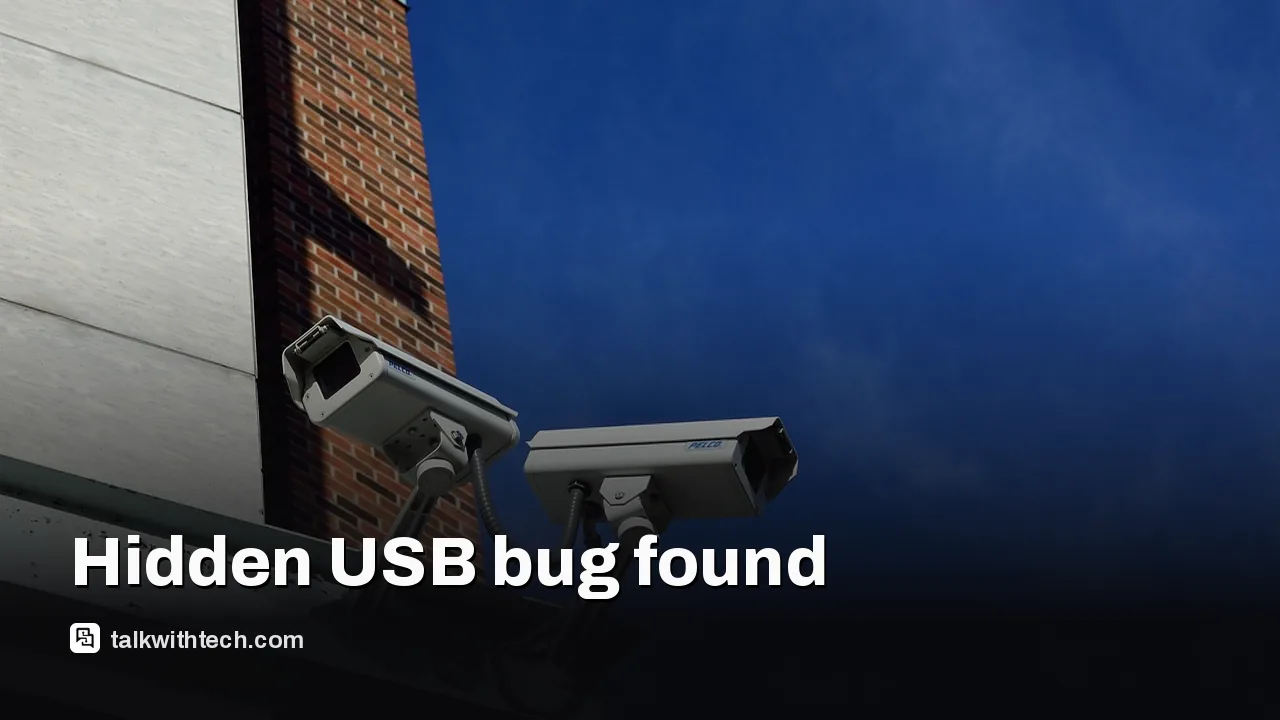
An OpenAI engineer, Abdulrahman Alfozan, 35, was charged after a hidden recording device was found in an executive meeting room.
The device was reportedly plugged into a TV’s USB port and disguised with toilet paper, discovered around Sept 28.
OpenAI used its AI tools to trace the device and identify the installer, then fired the employee and referred the case to the FBI.
There is no public indication that model weights, source code, or customer data were accessed or removed.
Quick read · 1 min
A security incident at OpenAI ended with the firing of an engineer after authorities found a hidden recording device in an office. OpenAI says the device was plugged into a TV’s USB port and disguised with toilet paper, and the employee responsible has been identified. The FBI is investigating, and there is no public evidence yet that crucial data was accessed.
Why it matters: insider risk is a real concern for tech labs and startups alike. OpenAI used its own AI tools to trace the device, showing how AI can aid security work. What this means for you: expect stricter office-device controls and clearer insider-risk policies where you work.
What happens next: the FBI investigation will continue, and official updates will come as they become available.
OpenAI says it fired an engineer after investigators uncovered a sophisticated, hidden recording device inside one of its offices. The individual, named in official charges as Abdulrahman Alfozan, 35, faces allegations tied to using or attempting to use a device to intercept oral communications. The arrest and charges came to light after the company described its response.
Officials say the device was found in an executive meeting space, plugged into a television via USB. It was reportedly concealed with toilet paper and placed around Sept. 28. OpenAI says it acted quickly, terminating the employee and turning the case over to the FBI. The FBI is handling the investigation and has not released further public charges as of now.
OpenAI stresses there is no evidence at this point that the intruder accessed or stole model weights, source code, or customer data. The company says it used its AI systems to analyze the device and trace its origin to the installer a few days prior, and it will continue assisting investigators as the case unfolds.
In a broader sense, the incident underscores the persistent risk of insider threats even in high-security labs. OpenAI reiterates its commitment to protecting its technology, data, and staff, noting that its security program covers a wide spectrum of threats, from insider risks to external hackers and nation-state actors.
The FBI investigation will likely bring more details in the coming weeks. For now, OpenAI remains focused on security enhancements and supporting the ongoing inquiry.
We discovered a sophisticated recording device that was hidden inside one of our offices. We used our models to understand the device and where it had come from, identifying that a specific employee had planted it a few days earlier. We referred the matter to the FBI, and we’re…
What this means for OpenAI and similar organizations
Incidents like this highlight how insider risks can affect even prominent research labs. OpenAI’s approach, using its own AI to determine the device’s origin, followed by termination and FBI referral, illustrates a trend toward AI-assisted security practices in the workplace.
02
Practical takeaways for workplaces
Two straightforward lessons stand out. First, limit access to sensitive spaces and equipment to reduce opportunities for hidden devices. Second, establish clear policies about personal devices and monitoring, while balancing privacy and due process. Regular drills and security reviews can help teams detect insider risks early.
03
What this means for everyday readers
For most people, this case is a reminder that security isn’t just about defending against external hackers. Insiders can pose real risks, and organizations are increasingly leaning on AI to help spot them. If you work in a tech or research environment, expect tighter controls around office devices and clearer insider-risk policies.
04
What happens next
The FBI is handling the criminal investigation, with additional details potentially emerging as the case progresses. OpenAI says it will keep supporting investigators and uphold its security commitments during the ongoing process.
An OpenAI engineer was arrested after a concealed recording device was found in an executive meeting room and linked to that employee of record.
What did OpenAI say?
OpenAI said it used its AI tools to determine the device’s origin, terminated the employee, and referred the matter to the FBI.
What should organizations do?
Review insider-risk policies, tighten access to sensitive areas, and consider regular security drills that include AI-assisted detection and rapid incident-response procedures.
Disclaimer: This article relies on publicly disclosed information from OpenAI and authorities. Investigations are ongoing, and details may change as new information emerges.
Anthropic researchers warn that small AI models could someday copy themselves across everyday devices, creating a distributed workload without data centers.
Pluto Security just closed a $42 million funding round as it pitches a new class of security tools that monitor and control how employees use AI inside business networks.
An August 4, 2026 intrusion used a SonicWall SSL VPN without MFA, enabling rapid credential use and later access to internal systems, underscoring why authentication must cover all paths.
4 min read
We use cookies to understand how readers use Talk With Tech, so we can make it better. Is that OK? Privacy policy
The Daily Brief
Today's biggest tech stories, in 5 minutes
Every morning, the news that matters from AI, phones, apps and the people shaping tech. Explained in plain English. Free.
One email a day. No spam, unsubscribe anytime. Privacy policy