OpenAI minors data lawsuit: what parents need to watch
A Hawaii mother sues OpenAI, claiming ChatGPT grabbed and used personal data from her two children without consent. Here’s what this could mean for families.
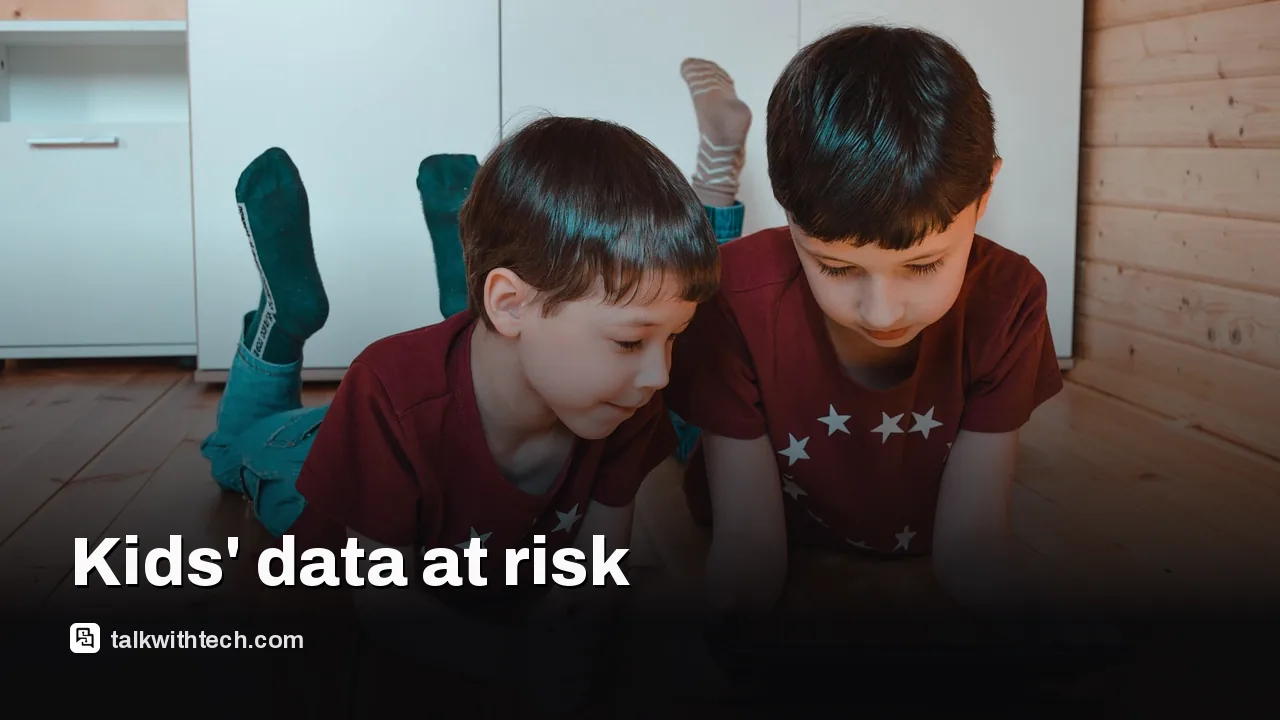
A Hawaii mother filed a proposed class-action accusing OpenAI of secretly collecting data from two of her children using ChatGPT.
The suit alleges OpenAI trained its models on minors’ data and built profiles without parental consent, despite age restrictions.
OpenAI disputes the claims, saying it has age-specific protections and safety measures, while stressing it values user privacy and safety.
The case could hinge on whether minor data was collected with or without informed parental approval, and what safeguards are required by law.
Quick read · 1 min
A Hawaii mother has sued OpenAI, claiming her two children’s data was collected from ChatGPT without proper parental consent. The suit argues this data was used to train models and build profiles of minors.
OpenAI says it has age-specific protections and safety features, and disputes the claims. The case could push the industry toward stricter consent rules and better controls for kids’ data.
What this means for you: review your family’s AI app settings, verify how data is used, and consider tightening account controls for younger users. The case will proceed through the courts, with a decision that could influence privacy practices across AI services.
Review kid accounts and privacy settings
Ask for clearer explanations of data use in family-friendly apps
Watch for potential changes in parental controls if the suit advances
In a new legal challenge that could affect how families use ChatGPT, a Hawaii mother is suing OpenAI, alleging the company secretly collected personal data from her two children who used ChatGPT in early 2026. The lawsuit echoes long-standing concerns about how AI services handle information from minors and whether consent is truly obtained before data is used to train models. OpenAI says it has safeguards for younger users, but the suit argues those protections were not enough to protect the children’s data.
The core claim is simple: minors signed up for ChatGPT, and the company used what they produced in chats, images, and other inputs to train its language models. The plaintiff’s lawyers say this amounted to gathering highly sensitive information, including personal insecurities and selfies, and then turning that data into a broader profile of each child. They describe the practice as exploiting young users through design choices that encourage repeated use and memory of past chats.
OpenAI responded that it does not target minors in the same way as adults and that it has age-related protections and parental controls. A representative said the company disagrees with the lawsuit and believes it has built safety features to protect younger users. The company also cited its teen product, ChatGPT for Teens, which aims to offer more guardrails than the standard service.
The stakes here go beyond one lawsuit. If the court finds that OpenAI’s data collection violated laws or privacy standards, it could push the industry to tighten consent and safeguarding requirements for minors across similar AI services. For families, the question becomes: what protections exist today, and what might change tomorrow?
At issue is not just what data was collected, but how it was used. The lawsuit argues OpenAI trained the models using minors’ information and then used that data to improve the product and possibly to profile users. The company disputes this framing, arguing it adheres to age-specific protections and uses data in line with its privacy terms and applicable laws.
Lawyers on both sides say this case could influence how tech companies design products for kids and how parental consent is sought and documented when minors sign up for AI services. The outcome could prompt clearer requirements around verification, consent, and the handling of children’s data in training datasets.
01
What this means for families right now
If you have children who use AI chat tools or any online service, consider reviewing how you manage accounts, especially those that allow signups without explicit parental approval. Check the terms of service and privacy settings for any app your kids use, and consider restricting access to accounts linked to younger family members until you’re comfortable with how data is used. If you’re uncertain about your own rights, you may want to consult a privacy attorney or your local consumer protection agency for guidance specific to your state or province.
Meanwhile, OpenAI and other AI providers may face renewed calls to tighten consent checks, improve parental controls, and offer clearer explanations of how data is used to train models. The industry is watching to see whether this case sets a precedent for how aggressively companies can rely on data from users who may not fully understand the implications.
02
What happens next
The case will move through the typical court process, including disputes over what data can be used, what counts as informed consent, and what protections should be in place for minors. A judge will determine whether the class-action is valid and what relief, if any, might be pursued for affected families.
The core claim is that OpenAI collected and used data from minors to train its models without proper parental consent, effectively exploiting young users.
What could change if the lawsuit succeeds?
There could be tighter requirements on consent, clearer parental controls, and stricter data-handling rules for AI services used by children.
JPMorgan Chase says third‑party AI assistants can’t access customer accounts or move money, signaling a big hurdle for AI helpers that promise to manage everyday banking tasks.
3 min read
We use cookies to understand how readers use Talk With Tech, so we can make it better. Is that OK? Privacy policy
The Daily Brief
Today's biggest tech stories, in 5 minutes
Every morning, the news that matters from AI, phones, apps and the people shaping tech. Explained in plain English. Free.
One email a day. No spam, unsubscribe anytime. Privacy policy