A US congressional investigation finds romance scams on dating apps cost Americans about $1.3 billion annually.
Match Group says it has rolled out new safety tools, including video selfie verification for new Tinder users and a new AI model to detect scammers.
The report criticizes slow updating of ML models on Tinder and calls for faster, stronger platform defenses and a central scam-reporting portal.
Quick read · 1 min
US lawmakers released a report detailing romance scams on dating apps, saying victims lose billions each year. The findings focus on Tinder, Hinge, and other Match Group apps, noting that some safety updates arrived after scammers adapted. Match Group points to video selfie verification for new users and an AI model to detect scammers, but authorities want faster, broader defenses and a central scam-reporting portal. For users, that could mean tougher identity checks and more prompts when messaging or sending money. Look for continued action and possible new rules in the coming months.
What this means for you: stronger verification on new accounts and better tools to flag fake profiles. What’s next: Congress may push for a universal scam-reporting channel and faster platform-wide defenses.
The dating app safety story just got louder in Washington. A US congressional investigation into romance scams found that millions of users on platforms like Tinder and Hinge are still being targeted by criminals, with victims losing money in the hundreds of thousands or more. The committee’s findings depict a situation where scammers adapt quickly while platform defenses lag behind.
What this matters to you is simple: scams on dating apps aren’t rare edge cases. They’re a financial and emotional drain that could touch anyone who tries online dating. The report documents that, in the US, romance scams cost Americans at least $1.3 billion a year. And it notes that scammers often exploit repeated contact and pressure tactics to extract money from victims.
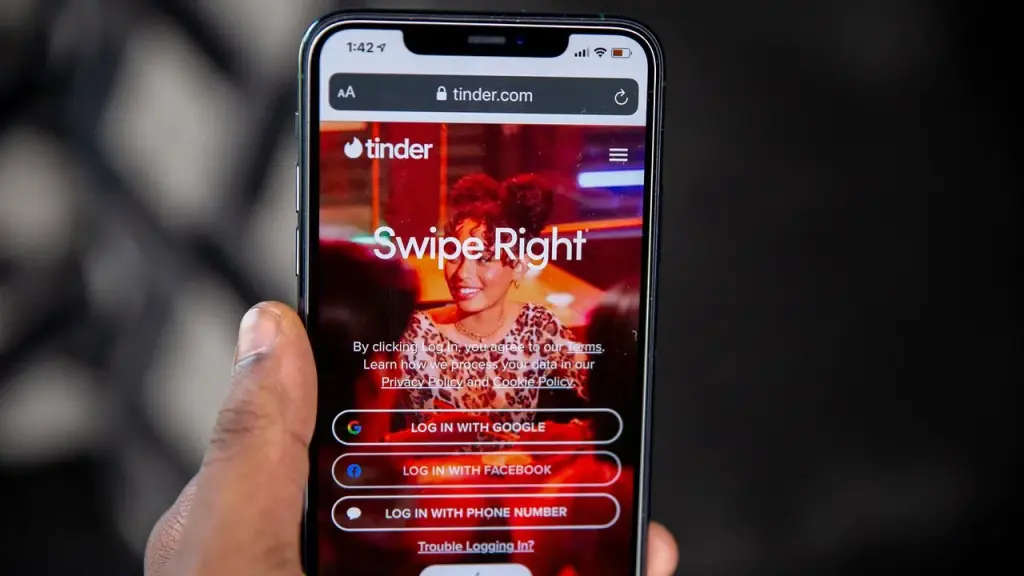
Match Group, which owns Tinder, Hinge and Plenty of Fish, says it has made safety improvements. The company points to a video selfie verification for new Tinder users and the rollout of a new AI model designed to spot scammers and harmful accounts. It also argues that safety is a long-running effort, with work underway before the committee’s inquiry and more recently accelerated in response to lawmakers’ concerns.
Still, the committee’s report finds the changes arrived after scammers were already taking advantage of gaps. It quotes internal Match Group documents showing Tinder had not updated most ML models in years as of late 2025, limiting its ability to detect bad actors in real time. The accompanying statements from Match Group executives say they’ve “made the largest safety advancements in Match Group’s history,” but the committee asks for even more urgent action.
01
Which updates are in the spotlight
The safety tools cited in the report include video selfie verification for new Tinder users and a new AI model intended to scrutinize profiles and behavior. A senior safety executive from Match Group stated that the company is committed to leading the industry in trust and safety, emphasizing ongoing work beyond what’s visible in official releases.
02
What the lawmakers want next
The investigation calls for faster deployment of advanced defenses across all dating apps and a centralized way for Americans to report scams. A bill was floated in tandem with other lawmakers to create a single portal where people can report scams and get help from law enforcement and agencies. The idea is to reduce the time it takes to connect victims with resources and to coordinate responses across platforms.
03
How this affects everyday users
If you’re dating online, expect stronger identity checks on new accounts and more automated checks on suspicious activity. It may also mean more prompts or verifications when you try to reach out to someone or send money. The core idea is to curb the kind of persistent pressure that can push someone toward risky transfers or cryptocurrency payments.
04
What happens next
Watch for continued congressional scrutiny and possible new rules or funding to speed up safety work. The report underscores that tech platforms must keep updating their defenses as scammers evolve, and it signals a broader push for a central scam-reporting flow to help victims get help quickly.
U.S. prosecutors say North Korean operatives recruited Americans to help breach U.S. companies, with authorities seizing hundreds of laptops in Texas as part of the investigation.