Slate OTA updates: how a $25,000 truck updates via your phone
Slate Auto’s minimalist truck updates itself through your phone, sidestepping built‑in infotainment to stay affordable. Here’s what that means for you.
Talk With Tech Newsroom
The short version
Slate Auto is selling a sub-$25,000 electric truck that omits built‑in infotainment, radios, and more to cut costs.
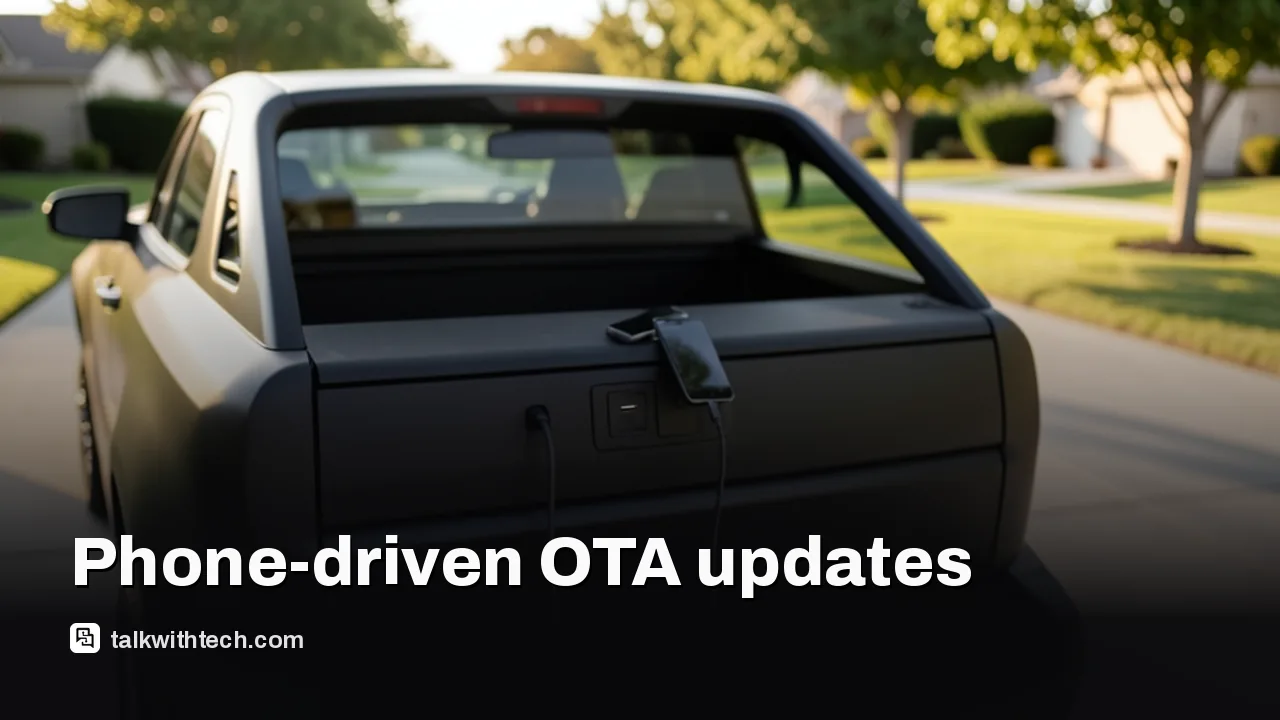
Software updates come over the air by piggybacking on a connected phone via a USB transfer, not through a built‑in cellular modem.
Updates are focused on bug fixes and small improvements, not flashy new features, and the process centers on the Slate app on your phone.
Buyers can later add options like speakers or an SUV conversion kit, but the core truck remains intentionally lean.
Quick read · 1 min
Slate Auto is selling a very lean electric truck that skips built‑in infotainment and a data‑hungry modem to keep costs down. Updates don’t come from a car‑built system; they travel through your phone via a USB connection. That means you’ll plug your phone in to install each patch, and the process lasts about 45 minutes. The updates focus on bug fixes and small tweaks, not new features.
For everyday life, this makes the vehicle cheaper upfront, with optional add‑ons like speakers or a kit that turns it into a five‑seat SUV. If you want a lot of tech in your truck, Slate isn’t for you, but if you want something simple that stays current through your phone, it might be worth a look.
The latest twist in affordable electric vehicles isn’t a gadget-laden dream car. It’s Slate Auto’s minimalist electric truck, which purposely omits built‑in infotainment, a radio, power windows, even a paint job. The trade‑off: a sub-$25,000 entry price and a design focused on core driving and safety. But Slate still promises updates. How do you keep software fresh if the truck isn’t connected by a data plan of its own?
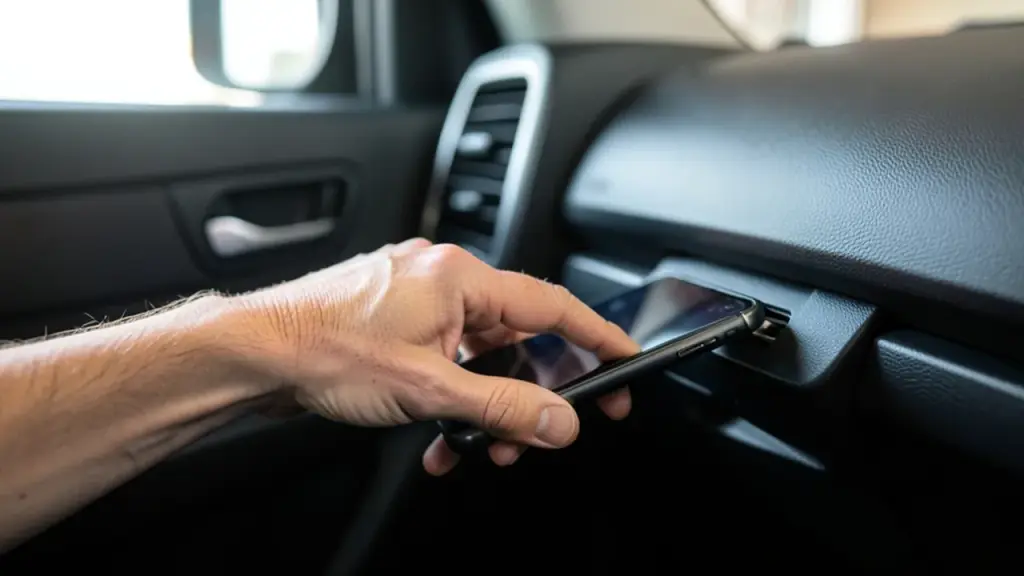
Slate’s answer is simple enough, but a bit unusual: over‑the‑air (OTA) updates ride in on your phone. When you’re notified that a software patch is available, you install it onto your device. Then you plug your phone into the truck’s USB port on the dash, and the update transfers from your phone to the truck. After that, the vehicle finishes installing the update on its own. The company says the whole process takes about 45 minutes from start to finish.
That process is central to Slate’s business model. By piggybacking on the owner’s phone for updates, Slate trims down the truck’s onboard tech. The result is a vehicle with an estimated range around 205 miles, a 1,550‑pound payload rating and a 2,000‑pound tow capacity. It’s aimed at short errands and local hauling rather than long road trips, and it underscores Slate’s goal of keeping the base price low while letting buyers opt into extras as needed.
In practice, these updates are meant to be small, focused fixes rather than dramatic feature rollouts. Slate notes that the updates will primarily address bugs and minor improvements, so you shouldn’t expect blockbuster capabilities to appear after installation. The same Slate app that handles updates also helps with other tasks, like showing range, locating chargers and sending navigation directions to your preferred map app.
On privacy, Slate says it won’t sell app data and will only collect what’s necessary for diagnostics, service and update status. That could appeal to buyers wary of data collection by more tech‑heavy vehicles, though the trade‑off is fewer built‑in features and a reliance on your phone for software health.
Rivian is pushing beyond trucks and SUVs, building its own AI models, a new chip, and a driverless stack through partnerships, and eyeing licensing its tech to other brands.