Wednesday, 14 October 2026

US Army drone recruitment seeks 100 FPV pilots for new tests

The Pentagon is assembling a portable, domestic drone testing force as part of a multibillion-dollar effort to boost national defenses.

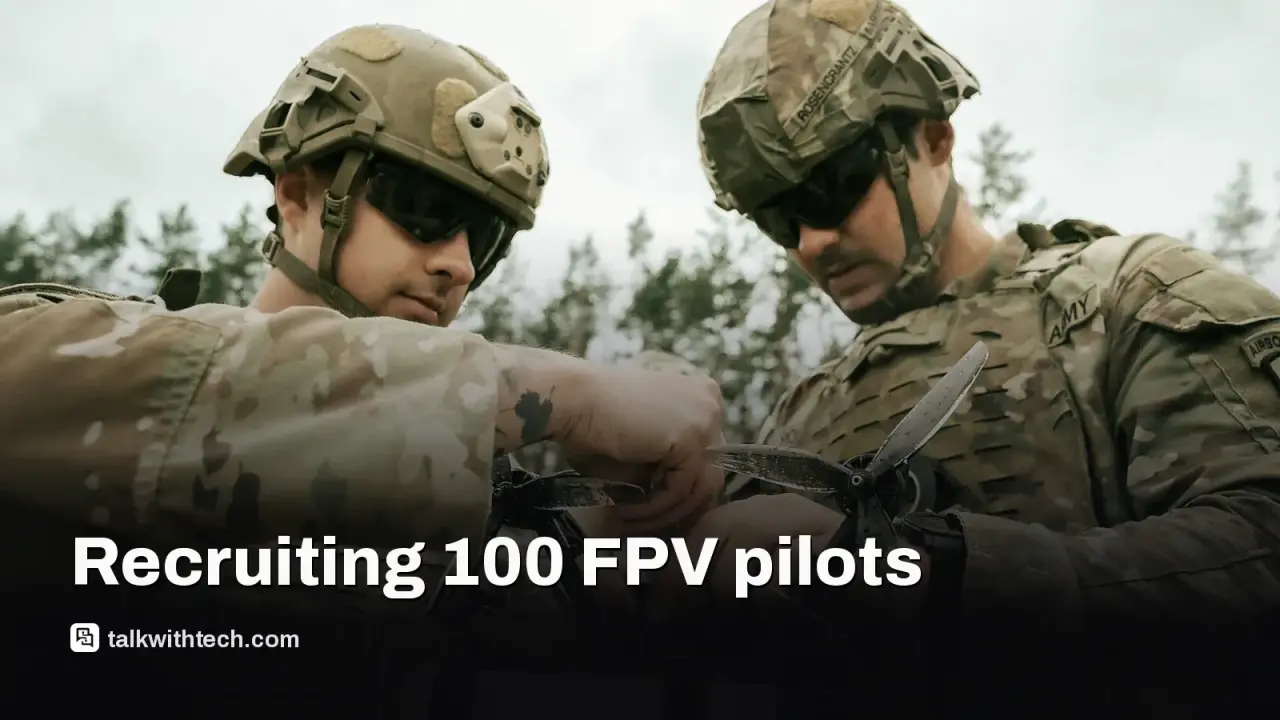
US Army FPV drones, related to: US Army drone recruitment seeks 100 FPV pilots for new tests
Photo: U.S. Army photo by Sgt. Jose Lora / Public domain (modified)

The short version

  • The US Army is recruiting about 100 FPV drone operators for Gauntlet III under the Drone Dominance initiative.
  • The effort is backed by a $1.1 billion Pentagon funding commitment to expand domestic drone production and capabilities.
  • Registration is open to service members with FPV experience, with no fixed cap on who can sign up, but requires coordination with the applicant’s branch.
  • The program aims to build a permanent database of qualified operators from multiple military branches, not just a single competition.
Quick read · 1 min

The US Army is looking for about 100 FPV drone operators to help test new drone designs as part of a massive Pentagon effort to boost domestic drone capabilities. The push is backed by $1.1 billion in funding and sits under the Drone Dominance initiative.

Who can sign up? Current service members with FPV flying experience can apply, but registration requires coordination with their branch and a valid military email. There’s no fixed cap on signups, officials want a broad, permanent database of qualified operators, not just a single competition.

What happens next? Operators will help evaluate a range of aircraft designs in Gauntlet III and future tests, guiding procurement decisions about which drones to buy and deploy domestically.
The US Army is kicking off a new wave of drone testing under a program called Gauntlet III, and it’s actively seeking FPV (first-person-view) drone operators from within the military. Roughly 100 operators are being recruited to help evaluate competing drone designs as part of a broader push to bolster domestic drone capabilities. The effort sits inside a larger Pentagon initiative with a $1.1 billion funding line dedicated to expanding both drone production and tactical capabilities on U.S. soil.

What makes this different from past pilots-for-a-quiz recruitment is the emphasis on hands-on, real-world assessment. The goal is to pair seasoned FPV operators with new drone technologies to see how they actually perform in testing environments. Erin Cherry, who leads the testing for the initiative, says there’s no single pool to pull from. The project wants operators from different branches and backgrounds who can cover varied mission needs, from scouting to close-quarters navigation in urban settings.

01

Which drones and tests are we talking about?

Gauntlet III is described as an evaluation exercise within the broader Drone Dominance push. It’s not just about one drone model; it’s about comparing a range of aircraft and capabilities to determine which designs best match the military’s current and near-future needs. FPV drones bring a direct video feed to the operator, offering hands-on control in missions that demand fast, precise, and flexible flight in complex environments.

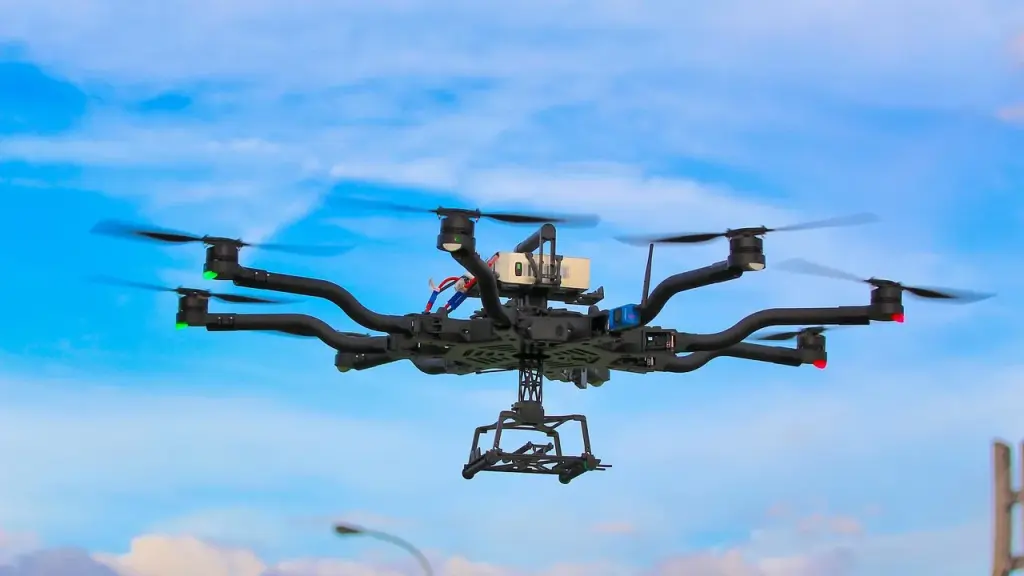
A military drone testing area with equipment and field setup
02

Who can apply and how it works

Participation is open to current military personnel with FPV experience, regardless of how long they’ve been flying. The recruitment process requires applicants to submit a Pilot Interest Form through the Pentagon’s platform. A valid military email (ending in .mil) is required, and registration involves coordination with the applicant’s service branch. In short: putting your name on a list doesn’t guarantee selection, because branch approvals and ongoing status checks matter.

03

What this means for readers

For everyday readers, this is part of a broader move to bring more drone technology and skilled operators into the U.S. defense ecosystem. It signals that the Pentagon wants a ready-made pool of experienced pilots who can quickly test, compare, and validate new drone designs in domestic settings. The project also highlights a trend: military work increasingly relies on a mix of contractors, universities, and service members to mature new tech before large-scale procurement.

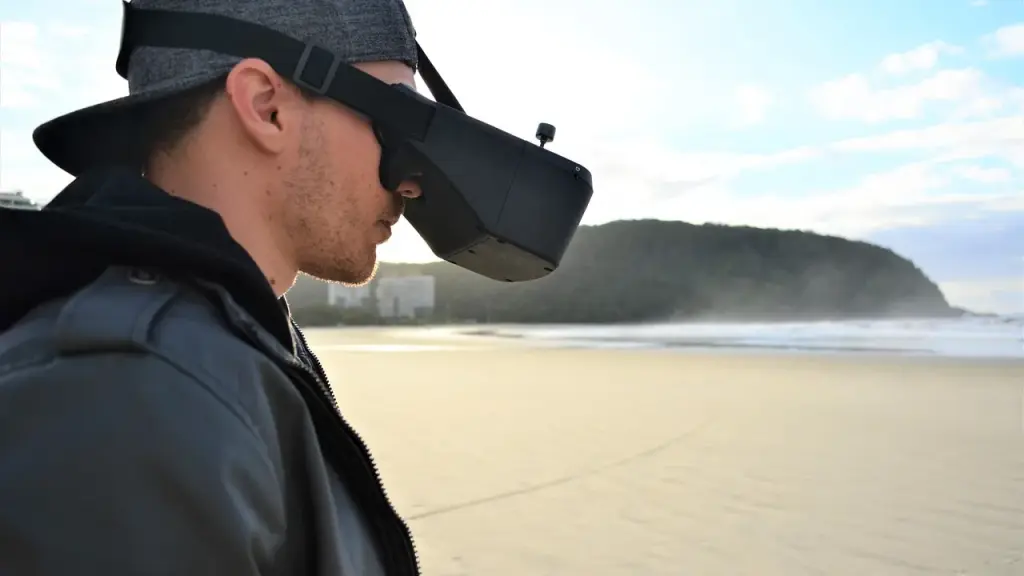
Person operating an FPV drone controller in a cockpit-style setup
04

What happens next

The Army expects to assemble a permanent database of qualified FPV operators drawn from different services, rather than just filling a single competition. That database would help feed future testing, trials, and potential purchases as the Drone Dominance plan evolves. If you’re in the service and have hands-on FPV flying chops, now is the time to check the Pilot Interest Form and talk with your unit about eligibility and next steps.

05

Quick answers

Who can apply?

Current military personnel with FPV drone experience. Registration requires a .mil email and coordination with the service branch.

How many operators are being recruited?

About 100 FPV drone operators for Gauntlet III, under a $1.1 billion initiative.

What is Gauntlet III?

An evaluation exercise within the Drone Dominance program to test competing drone designs for domestic use and future procurement.

You're reading the quick version.