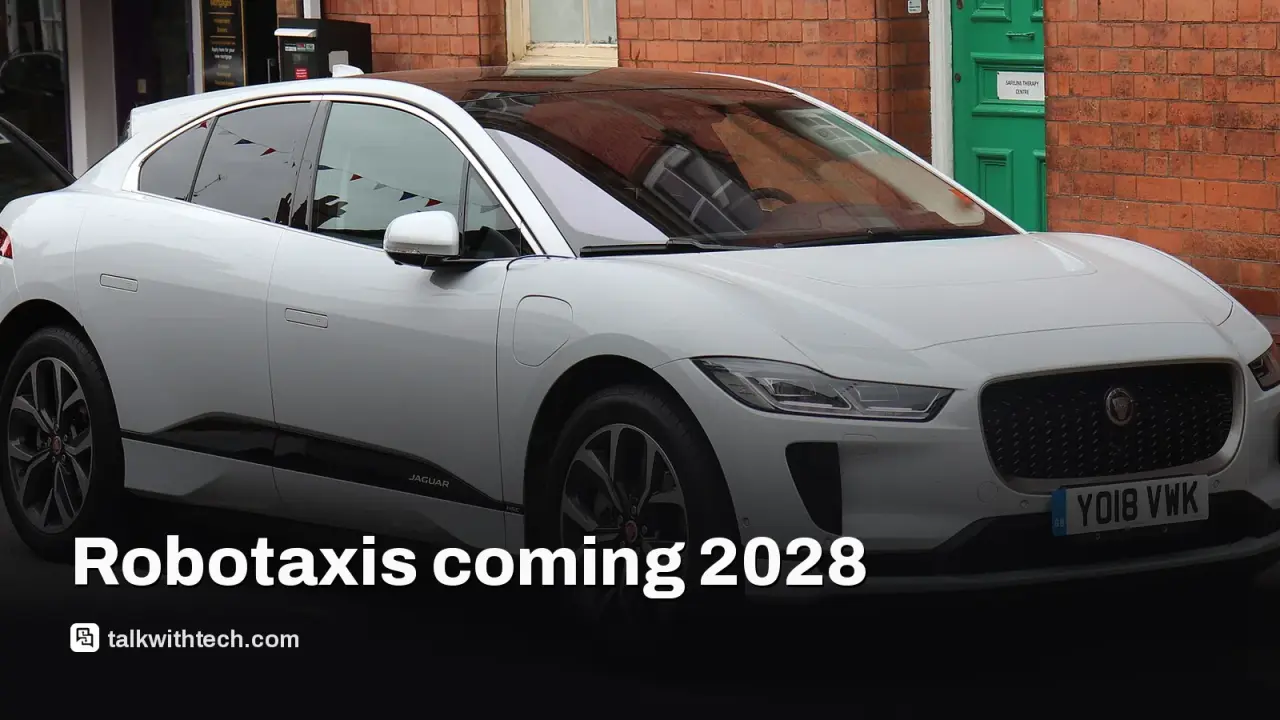
Waymo will bring its autonomous ride service to Toronto in 2028, starting with a limited fleet of Jaguar I-Pace SUVs.
The company will map local streets this year and test in several neighborhoods before a wider rollout.
Element Fleet Management is partnering with Waymo for vehicle maintenance, validation driving and customer service.
Quick read · 1 min
Waymo is bringing its autonomous ride service to Toronto for the first time. Toronto residents will be able to book robotaxi rides in 2028, starting with a small fleet of Jaguar I-Pace SUVs. In the meantime, Waymo will map the city’s streets in several neighborhoods to tune its autonomous system for local traffic and winter driving. A Toronto partner, Element Fleet Management, will handle vehicle maintenance and customer service as the rollout progresses.
The move marks Waymo’s first major push into Canada and comes after years of launching in U.S. cities. If successful, it could open the door for more cross-border mobility services in the future.
Mapping starts this year in neighborhoods like Liberty Village, St. Lawrence Market and Yorkdale.
Rides in 2028 will begin with a limited number of electric SUVs.
Regulatory, safety and weather considerations could affect timing.
Waymo is expanding its cross-border ambitions, bringing its autonomous ride-hailing service to Canada for the first time. The company announced that Toronto will host a staged launch, with rides bookable in the Waymo app in 2028. The rollout will start with a limited set of Jaguar I-Pace electric SUVs and gradually grow over time.
In the near term, Waymo plans to map Toronto’s streets and adapt its autonomous driving software to local traffic patterns and winter conditions. The company says it will test in select neighborhoods first, including Liberty Village, St. Lawrence Market and Yorkdale, as it tunes the system for real-world driving in Canada’s capital city of streets and snow.
To support the effort, Waymo has partnered with Toronto-based Element Fleet Management to handle vehicle maintenance, validation driving and customer service. The moves mirror Waymo’s approach in U.S. cities where a mix of mapping, testing and gradual service expansion gradually builds trust and reliability before a wider launch.
Waymo launched its fully autonomous ride service with electric vehicles in 2018 and today operates in several U.S. cities. The Toronto plan marks the company’s first major push into Canada, a market many automakers and tech firms watch closely as they weigh how to serve riders across borders and climate zones.
As always with robotaxi programs, Toronto residents should expect a careful rollout. While the 2028 date is a target, the company notes that timing could shift based on regulatory, safety and operational considerations.
01
What this means for everyday riders
If you live in Toronto or visit, the idea of hailing a driverless ride could become a reality in about two years. The plan emphasizes safety checks, local testing and a gradual scale, which helps ensure the vehicles behave reliably in winter and busy urban streets.
For travelers, this could offer a new way to get around the city without a car, though you’ll likely need to wait for a larger, fully autonomous fleet to be available beyond the initial pilot phase.
02
Which neighborhoods get started and how the map works
The company will map Toronto early on, a standard step so the software understands street layouts, traffic signals and typical driving patterns. The chosen neighborhoods, Liberty Village, St. Lawrence Market and Yorkdale, are known for dense urban traffic and busy corridors that test a driverless system under real-world conditions.
Mapping is a precursor to safe autonomous driving. It helps the Waymo Driver software learn how Toronto’s roads behave in different weather and times of day, which is crucial for winter driving in Canada.
03
What happens next
Waymo says Toronto will evolve from mapping to limited robotaxi rides in 2028, with more vehicles and service areas added over time. The step-by-step approach mirrors how Waymo rolled out in U.S. cities, prioritizing safety and reliability before expanding access.