Physical media offers ownership and long-term access beyond a single platform's decisions.
Advocates cite higher fidelity and fewer interruptions as benefits, with trade-offs like storage space and upfront costs.
Readers can start small and weigh long-term costs against ongoing streaming bills.
Quick read · 1 min
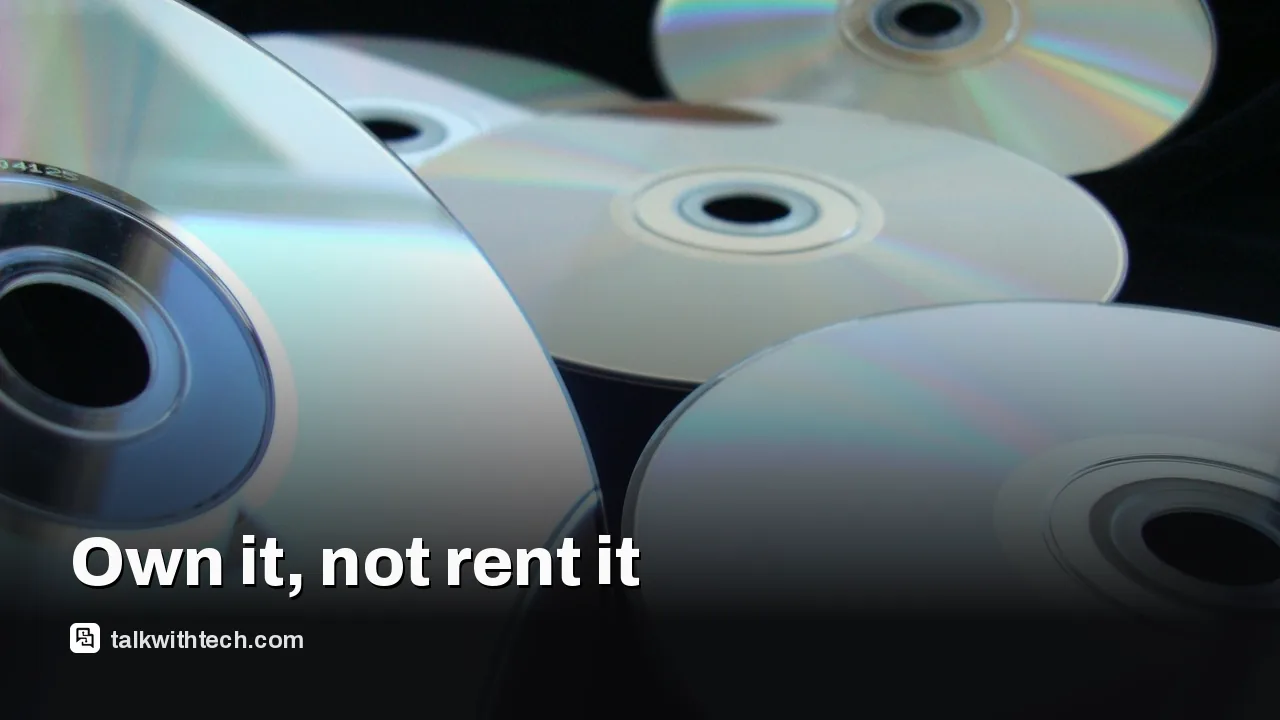
Streaming prices keep rising and catalogs keep changing. A growing number of people are choosing physical media like Blu-ray discs, vinyl records and printed books because they can own a copy. Fans argue this offers more control, no ongoing subscription and often better quality when the connection is spotty.
If you’re curious, start small: pick a title you love and buy it in physical form. Consider space, upfront costs and whether you prefer ownership or easy streaming access.
Ownership vs access: physical media is something you own outright.
Quality considerations: physical formats can offer richer detail when conditions allow.
Practical steps: buy one title in physical form and compare costs over a year with streaming.
A quiet shift is unfolding in how people watch, read, and listen to entertainment. With streaming prices climbing and catalogs changing more often, many are turning back to physical media like Blu-ray discs, vinyl records, and printed books. The core idea is simple: if you buy a copy, you own it. No license tied to a service, no access guaranteed by a catalog, just the item and your use of it over time.
Proponents argue that physical formats protect your access from sudden changes in streaming lineups. A digital purchase can also feel fragile because updates, licensing tweaks, or even service outages can affect what you can actually watch or read. In contrast, a Blu-ray, a vinyl release, or a printed book stays with you, independent of an online store or a monthly plan. And many people believe these formats deliver a crisper, more faithful experience when conditions allow.
01
Why ownership matters to everyday life
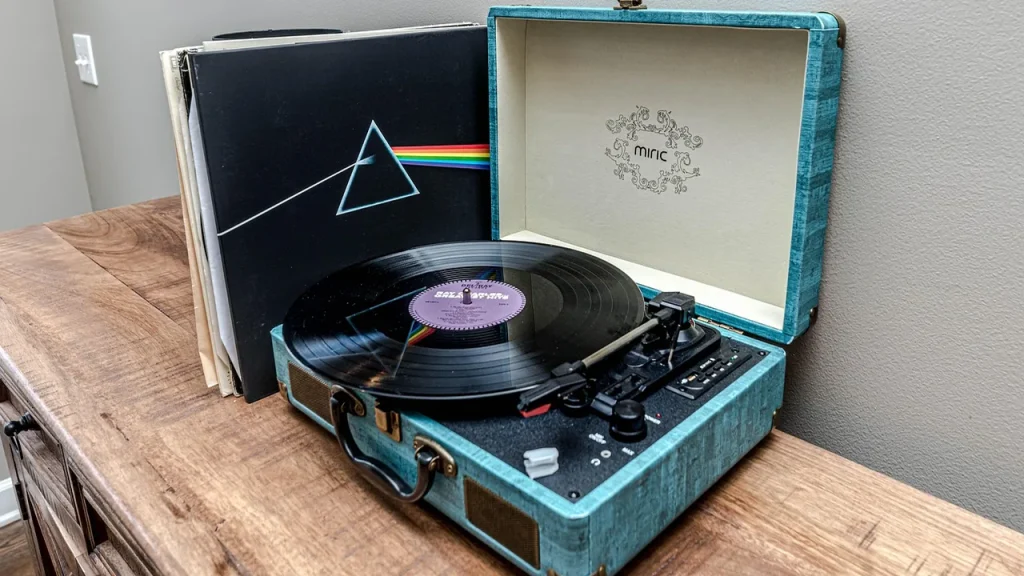
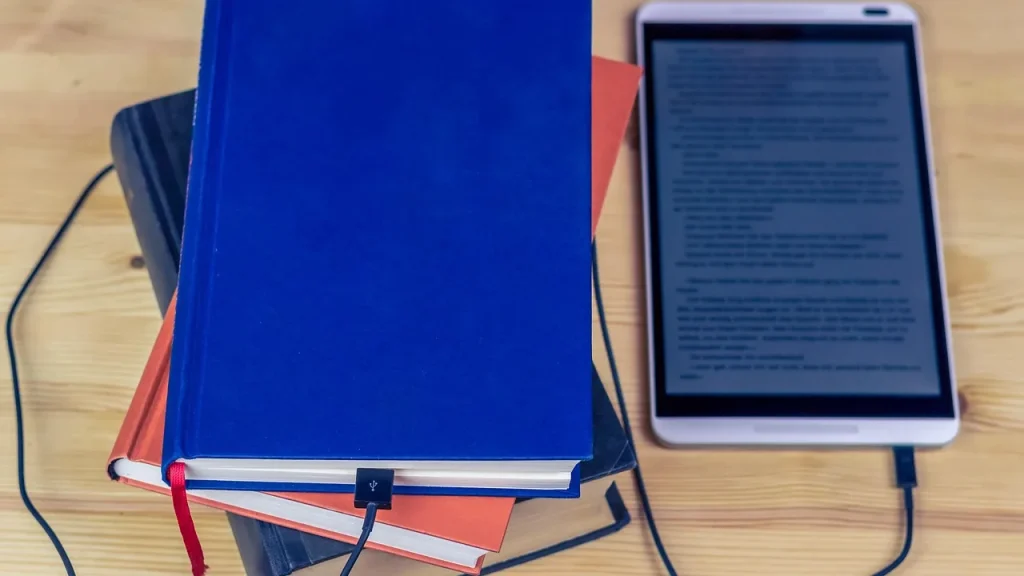
When you buy a physical Blu-ray, vinyl record, or printed book, you own the item outright. You can lend it to a friend, resell it, or keep it on a shelf for years without worrying about a service changing its catalog or raising prices. For some, the tangible nature of physical media also feels like a higher-fidelity experience, especially when internet connections dip or streaming compression reduces detail.
02
What counts as today’s physical media
Traditional options like Blu-ray discs, DVDs, vinyl records and printed books still lead the way. People are also talking about boxed sets, special editions with extra art, and collectible items that come with bonus notes. The common thread is you can own the content in a form you control, not just access via a digital storefront.
03
Quality, cost and space: weighing the trade-offs
Physical media requires a bigger upfront cost and some storage space, and you may pay more at the shelf than you would pay per month for a streaming plan. On the upside, there’s no ongoing subscription to renew and no risk of a title disappearing from a service. Streaming still wins for convenience and instant access, particularly when you’re traveling or want portable viewing. The choice isn’t either/or; it’s about balancing what you want to own long term with what you’re happy paying for monthly.
04
What this means for you
If you’re curious about a physical-media comeback, start small. Pick a title you already love and test it in a physical format, Blu-ray or vinyl, for example, and compare the total cost to what you’d spend streaming the same title over a year. Consider storage space and how you’ll organize a growing collection. If you already own digital copies, a measured add of physical copies can complement your library rather than replace it.
The trend could deepen if streaming prices stay high and catalogs keep changing. For readers and viewers, that means rethinking budgets and collections in the months ahead. The practical move is to identify a couple of titles you’d genuinely want to own and test how much value you place on long-term access and quality over sheer convenience.
06
Quick answers
Is physical media still worth it in 2026?
It can be, if you value true ownership, long-term access and higher fidelity when you have a good connection. It does require more space and a larger upfront cost.
How should I begin building a physical collection?
Start with titles you genuinely want to own, choose one or two formats (Blu-ray or vinyl) and plan a simple storage setup. Compare the year-long costs with your streaming spend to see what fits best.
A glossy new TV adaptation arrives Oct. 11 in the US on MGM+, with UK viewers getting a dedicated service starting Oct. 12. Here’s how to watch from home.
A couple of small but persistent quirks in the Clock app, an alarm list with a definitive end and a clock icon that keeps time, shape how some users interact with their iPhone each day.