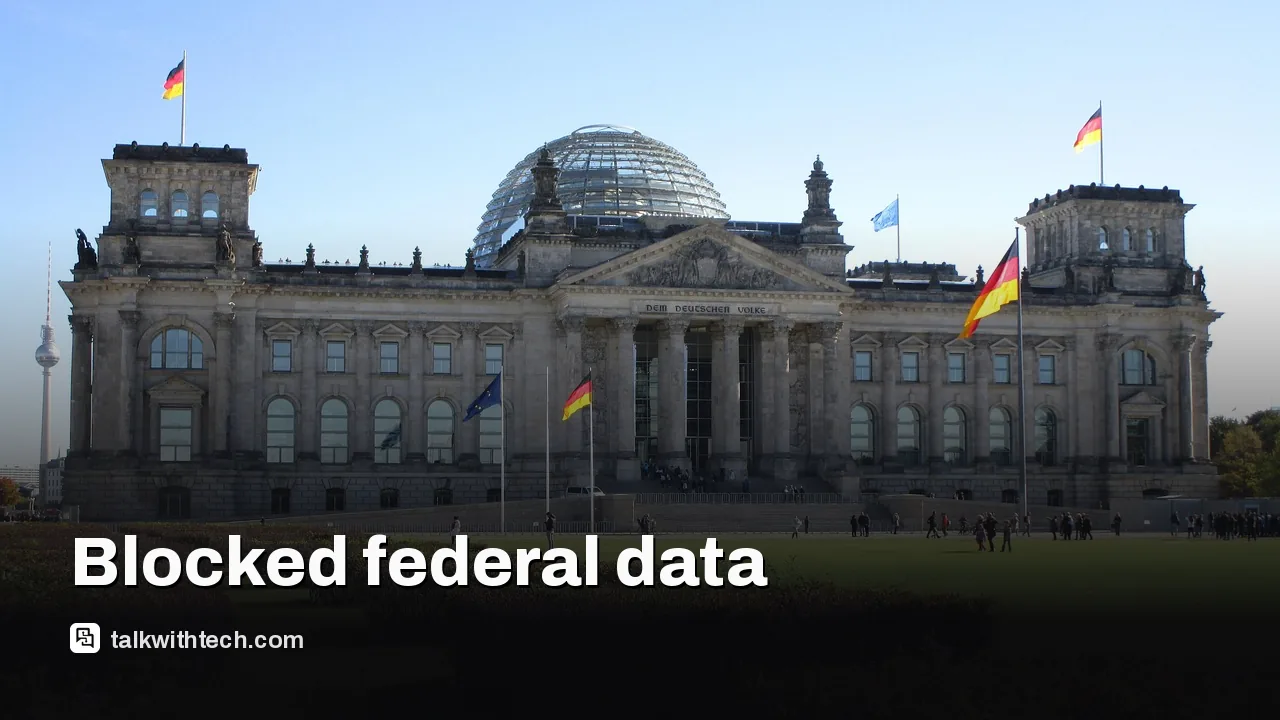
GAO oversight congress probes Trump-era data, but agencies resist
lawmakers gear up to probe government data and systems from the Trump years, yet agencies resist, leaving questions about what lawmakers can actually uncover.
Democrats in Congress plan investigations focused on government data and IT practices from the Trump years.
The Government Accountability Office reports several agencies refused to fully cooperate or name DOGE operatives involved, hindering oversight.
Subpoenas and potential court action could become part of the toolkit if agencies continue to resist.
The outcome could influence how federal IT standards and transparency are shaped for the public.
Quick read · 1 min
Democrats in Congress are moving to probe how the Trump era handled government data and IT systems, but several agencies have resisted providing information. The Government Accountability Office says cooperation has been uneven, which could push lawmakers to use subpoenas or court actions to get records. For readers, this could mean tougher rules and more transparency around how public systems protect data.
What happens next isn’t set in stone, but likely includes formal information requests, possible subpoenas, and public briefings in the months ahead.
Formal information requests and potential subpoenas
Agency responses and possible court involvement
Impact on future federal IT and data protection rules
The surprise twist in this political season isn’t a new policy so much as a fight over access. With Democrats in position to exercise more oversight, lawmakers are lining up probes into how the Trump era handled federal data and IT systems. The goal is to understand risk, governance, and whether safeguards kept up with advancing technology.
At the center is a Government Accountability Office report that found several executive agencies refused to fully cooperate or disclose which DOGE operatives had access to their systems. GAO spokespeople describe a pattern of resistance that makes it harder to verify whether programs were properly protected and managed.
Agency pushback isn’t new in Washington, but it matters when Congress may rely on formal powers to compel information. The GAO can’t enforce laws or prosecute. It’s the chief investigative arm for Congress, and lawmakers are weighing whether subpoenas or court-backed steps will be needed to get the records they want.
Experts say the broad aim is straightforward: determine how well federal IT and data practices stood up during the Trump years and how much cooperation future inquiries can expect. The picture is muddier because some agencies slowed responses, provided partial information, or did not respond at all. That raises questions about how much trust lawmakers should place in assurances that data was safeguarded when records aren’t complete.
What this means for everyday tech users is a possible shift toward clearer federal IT rules, stronger data protections, and more openness about how public systems handle sensitive information. The stakes aren’t just political; they affect how reliably people can access digital government services and how their data is treated in the months ahead.
Where this goes next is still up in the air. Expect renewed requests for documents, possible subpoenas, and a string of public briefings as lawmakers press for specifics. The outcome could reshape how Congress oversees digital infrastructure in the coming years.
01
What exactly are lawmakers trying to uncover?
The focus is whether agencies safeguarded sensitive systems and information and how much independent oversight can uncover. The DOGE-related findings have already raised questions about cooperation and access. The next moves will test the balance of power between Congress and the executive branch.
02
Could subpoenas actually change the outcome?
Subpoenas would represent a significant step up in enforcement. If agencies continue to resist, there could be court action. That escalation would mark a shift from routine reporting to a more forceful oversight posture.
03
What this means for you and your data
In plain terms, tighter oversight could lead to clearer IT rules, stronger data protection, and more transparent handling of sensitive information. For everyday users, that translates to better confidence in how public services collect and protect data over time.
04
What happens next
Look for formal information requests, potential subpoenas, and public briefings. Agencies may respond with more focused disclosures as lawmakers press for specifics. The path forward will influence federal oversight of digital systems in the near term.
Software pioneer Eric S. Raymond argues that AI and decompilation tech are shrinking the secrecy moat around software, pushing developers toward open models.