Saturday, 17 October 2026

Intel EMIB Foveros DLSS 5 mods bring features to older cards

A look at packaging roadmaps, AI features on older cards, and new chip contenders that could change how we buy and use AI-powered tech.

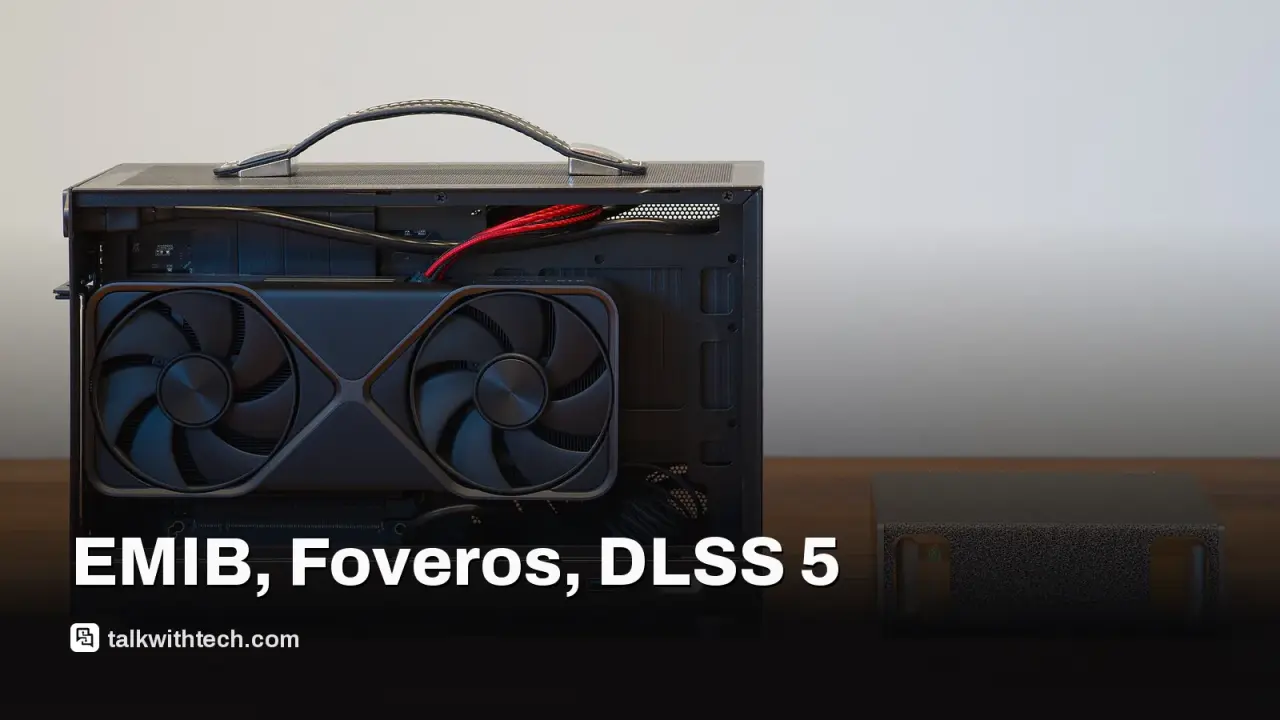
DGX Spark, related to: Intel EMIB Foveros DLSS 5 mods bring features to older cards
Photo: Daniel Lu ( User:dllu ) / CC BY-SA 4.0 (modified)

The short version

  • Tom’s Hardware Premium highlights Intel’s EMIB and Foveros Direct roadmaps for system-in-package ambitions.
  • DLSS 5 and Multi-Frame Generation are making their way to older GPUs via mods, despite official support limits.
  • DGX Spark and a low-cost Maixstation from Sipeed enter the AI accelerator space, intensifying competition.
  • SK hynix plans a built-in core (H-TPU) in SSD controllers to handle repetitive tasks more efficiently.
Quick read · 2 min

Intel is pushing a more compact, powerful future with EMIB and Foveros Direct packaging. The idea is to put more AI compute into smaller devices, which could mean faster on-device AI tasks on laptops and compact desktops, if suppliers can scale and prices stay reasonable.

Meanwhile, DLSS 5 is making its way to newer hardware, but clever modders are trying to port the tech to older GPUs. It shows how software tricks can stretch hardware, though results vary and it’s not officially supported.

On the AI accelerator front, Sipeed’s Maixstation enters the arena as a lower-cost challenger to the DGX Spark crowd. If it delivers, hobbyists and small teams could gain access to higher-end AI performance without the premium price tag.

In storage, SK hynix plans to add an on-board processing core to SSD controllers, which could improve speed and efficiency for data-heavy tasks. For most users, that could translate to snappier storage workflows down the line.
Intel’s packaging strategy for future AI systems is getting ambitious. A new look at EMIB and Foveros Direct roadmaps shows the company’s goal of building very compact, highly integrated packages the size of a handful of reticles using a mix of 3D stacking and advanced packaging. The aim? To cram more AI compute into smaller footprints, potentially enabling more capable systems without a full redesign of the motherboard. In plain terms, this could quietly reshape how PCs and data-center servers are built in the next few years, if suppliers can scale and pricing stays workable.

For everyday readers, the takeaway is simple: more AI power in smaller devices could mean faster on-device AI tasks and smarter laptops and workstations. But it hinges on supply chains and manufacturing sticking the landing on these next-gen packaging techniques.

01

Which packaging moves matter most for you

Intel’s push includes both EMIB and Foveros Direct, with the long-term ambition of system-in-package scale. If these plans mature, you could see devices that combine memory, compute, and specialized accelerators in a single, compact module. The practical impact for consumers could be longer battery life and snappier AI features on laptops and compact desktops, assuming pricing stays reasonable and component availability improves.

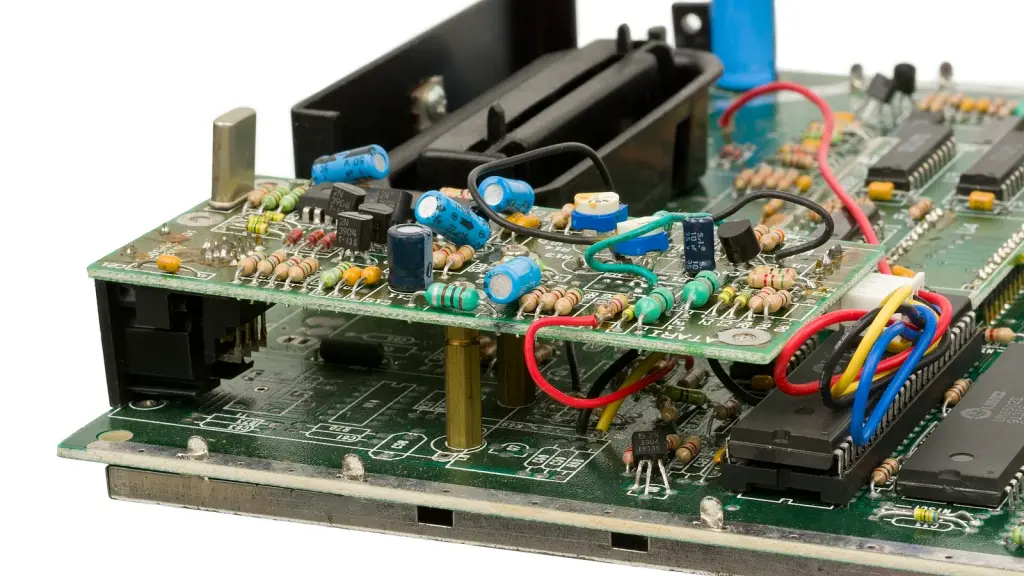
Close-up of a motherboard showcasing high-density packaging
02

DLSS 5 on older GPUs: a software workaround or a real shift?

DLSS 5 and its neural rendering capabilities are currently tied to newer Blackwell-based GPUs. Yet, modders have begun porting newer features to older graphics cards, testing how far software tricks can stretch hardware. This is not an official support move, and performance varies, but it spotlights a broader question: will the next wave of AI-assisted rendering threaten to leave some older GPUs behind or push people to upgrade sooner than they planned?

03

DGX Spark faces a challenger from a low-cost contender

DGX Spark is a familiar name in the AI accelerator space, but a new player is stepping in: Sipeed with Maixstation. Market watchers say Maixstation promises Spark-like performance at a much lower price point, powered by Chinese silicon and generous RAM. If the claims hold up in real-world tests, the price-performance tipping point for personal AI workstations could shift, nudging hobbyists and small shops toward alternative build options rather than sticking with established platforms.

04

H-TPU in SSD controllers: a quiet mystery in your storage

SK hynix is reportedly planning to embed a dedicated processing core, the H-TPU, into its SSD controllers. The idea is to offload repetitive tasks from Arm cores, potentially speeding up data handling and power efficiency in storage-heavy tasks. If this hits consumer drives, you might see faster file indexing, better on-drive AI features, or smarter caching without a noticeable jump in price, though it’s early days and company specifics remain tight.

05

Real-world edge: a data-center flare-up in the war between Ukraine and Russia

On the security and geopolitics side, there are reports that Ukraine targeted Russian Yandex data centers, disrupting bot traffic and online services. It underscores how quickly digital infrastructure can become a battlefield, affecting the reliability of online services used by people and businesses across many countries, including the US, UK and Canada.

06

What this all means for everyday life

For most readers, the practical questions are simple: should you upgrade your PC or laptop soon to chase AI speedups? Will your current SSD or GPU get an edge from new packaging or on-drive AI capabilities? The short answer is to watch pricing and availability, because the big leaps tend to come with price bumps at first. For now, you might focus on hardware that already offers strong AI acceleration and wait for real-world benchmarks on any new packaging or SSD cores before you buy.

07

What happens next

Industry sources say these are early-stage moves with a lot of moving parts: manufacturing challenges, supplier commitments, and evolving software support will shape how quickly you see tangible benefits. Expect more detail in the coming months as companies publish roadmaps and early test results, and watch for any pricing signals that hint at the cost of new AI-enabled packages.

08

Quick answers

Will I need to buy new hardware right away?

Not immediately. These are roadmap and early testing stories. Real-world benefits depend on when products ship and at what price.

What should I look for if I’m shopping for AI-capable hardware?

Look for strong on-device AI acceleration, favorable power efficiency, and clear software support for the AI features you care about.

Want more? This week’s premium coverage also dives into more detailed analysis of these topics and what they mean for pricing and availability as the year progresses.

  • The EMIB and Foveros Direct packaging plans
  • DLSS 5 and why older GPUs may see limits
  • Sipeed Maixstation versus DGX Spark

“}]} } }] } } } } } } } } } } } } } } } } } } } } } } } } } } } } } } } } } ) } } } } } } } } } } } } } } } } } } } } } } } } } } } } } } } } } } } } } } } } } } } } } } } } } } } } } } } } } } } } } } } } } } } } } } } } } } } } } } } } } } } } } } } } } } } } } } } } } } } } } } } } } } } } } } } } } } } } } } } } } } } } } } } } } } } } } } } } } } } } } } } } } } } } } } } } } } } } } } } } } } } } } } } } } } } } } } } } } } } } } } } } } } } } } } } } } } } } } } } } } } } } } } } } } } } } } } } } } } } } } } } } } } } } } } } } } } } } } } } } } } } } }}

You're reading the quick version.