OpenAI engineer charged recording device days before Saudi flight
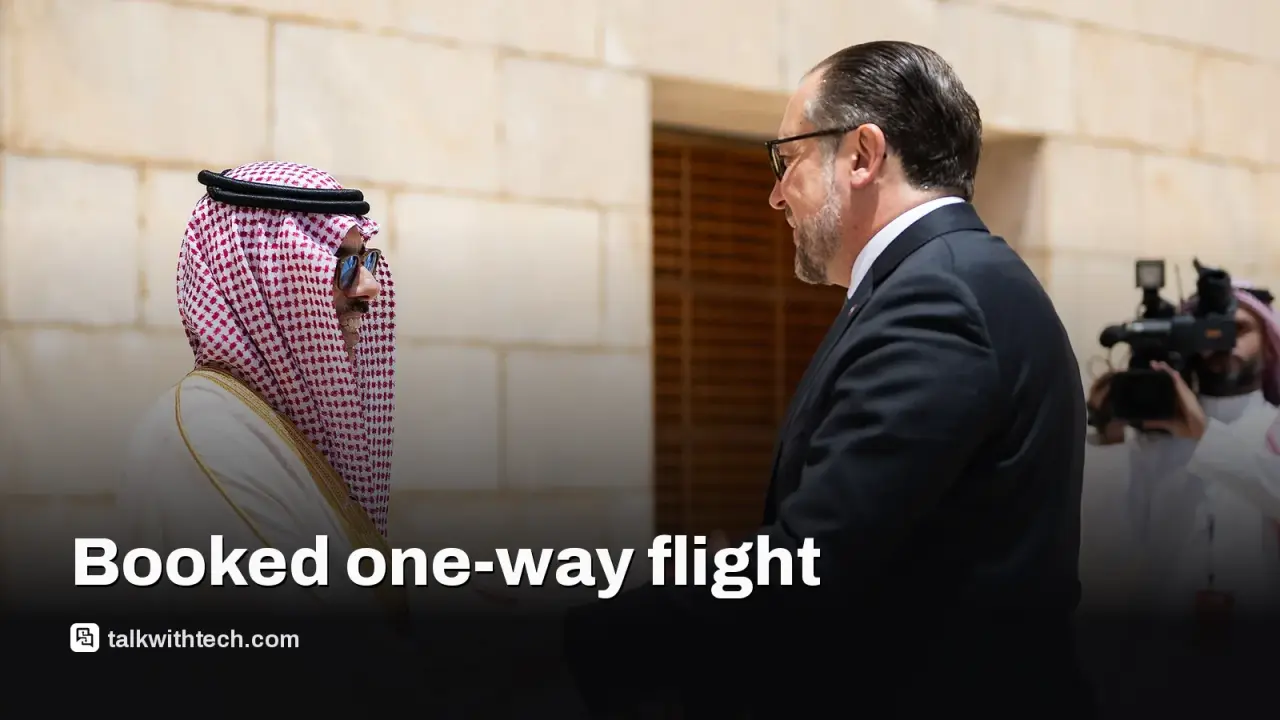
A court filing shows an OpenAI engineer arrested for allegedly placing a hidden recording device, with a one‑way flight to Saudi Arabia booked just days later.
An OpenAI engineer faces charges for allegedly using a hidden device to capture oral communications, according to a court filing.
Court documents show the person had a one‑way flight booked to Saudi Arabia via Istanbul three days after the arrest, suggesting a flight risk argument in the case.
Officials describe the investigation as national security related, with the FBI leading and other agencies assisting. OpenAI says nothing from the company’s side indicates data or code was taken.
The engineer joined OpenAI in mid-2025 and was dismissed the day of arrest; no plea has been entered and the person is presumed innocent at this stage.
Quick read · 2 min
A federal case centers on a hidden recording device found in a high‑level meeting space involving an OpenAI engineer. Court records show a one‑way flight to Saudi Arabia was booked three days after the arrest, adding a new twist to the investigation.
The charges involve using or attempting to use a device to intercept conversations. The FBI is leading the probe as a national security matter, with prosecutors emphasizing flight risk.
The devices were located in different spots in a corporate setting. OpenAI notes that nothing from its model portfolio or customer data was taken and that it relied on its own methods to analyze the device and identify the person involved.
The engineer joined OpenAI in July 2025 and was dismissed on the arrest day. They have not entered a plea and are presumed innocent as the case progresses.
This story highlights security basics in tech workplaces: control who can access sensitive spaces, keep an audit trail of meetings and devices, and respond quickly when something suspicious turns up.
An OpenAI engineer is facing federal charges tied to a hidden recording device found in a high‑level meeting space, according to a court filing. The document notes the suspect had booked a one‑way trip to Saudi Arabia via Istanbul just three days after the arrest, a detail prosecutors say underscores flight‑risk concerns.
Authorities say the charges relate to using or attempting to use a device to capture oral conversations. The case is being treated as a national‑security matter, with the FBI leading the investigation and other federal agencies assisting. Prosecutors argue the suspect had both the means and motive to flee if told about the arrest earlier.
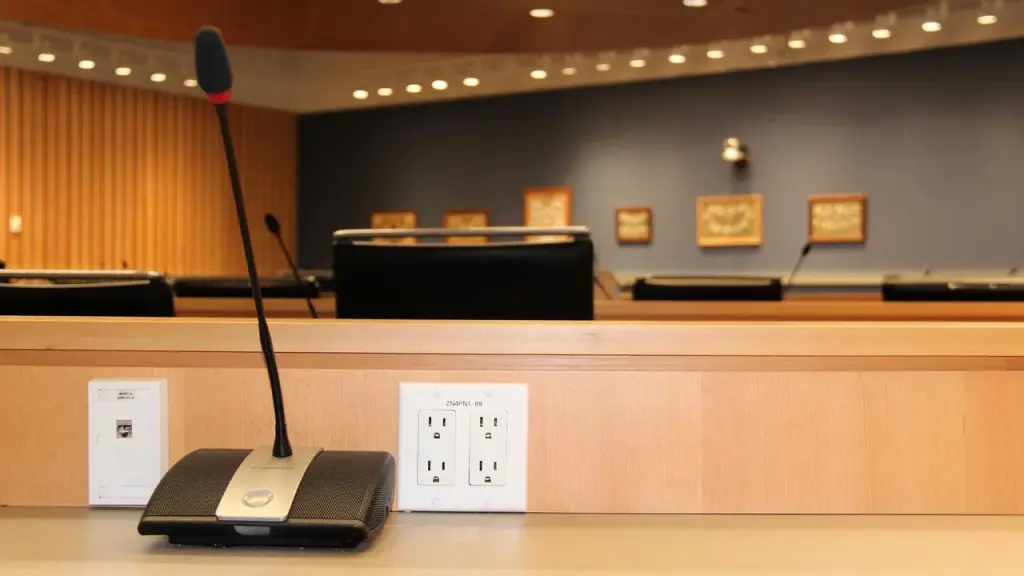
The first device was located behind a television in an executive conference room. A second device reportedly appeared in a bag left unattended in another location. OpenAI has stressed that no model weights, source code, or customer data were reported as taken, and the company says it used its own tools to analyze the device and identify who was responsible.
The defendant joined OpenAI in July 2025 and was dismissed on the arrest day. They have not entered a plea and are presumed innocent as the case moves forward.
For readers, the practical takeaway isn’t about a consumer product. It’s about how sensitive workplaces protect information and who gets access to meeting spaces and devices. This case shines a light on the kinds of physical security and incident‑response practices that matter when research and commercial secrets sit in the same rooms.
01
What the charges mean in plain terms
The core accusation is about using or attempting to use a recording device to intercept conversations. If convicted, the charge could carry a penalty of up to five years in prison, depending on how the case moves through the federal system. The filing describes the device as connected to confidential topics discussed in high‑stakes meetings.
02
Why the travel detail matters
The one‑way ticket detail, booked to Saudi Arabia with connections through Istanbul, is cited to illustrate a potential flight risk. Prosecutors argue the fact could influence bond decisions and future custody implications.
03
What OpenAI and investigators are saying
OpenAI says nothing related to weights, source code, or customer data was taken. The company describes the incident as contained and notes it used its own analysis methods to identify the person involved. Public statements from other parties remain limited to court filings and official disclosures that frame the investigation as national security matters.
04
What this means for everyday readers
While this story isn’t about a consumer product, it does touch on trust in the teams building and safeguarding advanced AI tools. It underscores the importance of strong security practices in workplaces that handle sensitive topics, including clear access controls, device management, and careful monitoring of meeting spaces.
The defendant is due to appear in federal court for further proceedings. Watch for formal charges, any plea discussions, and additional details prosecutors reveal about the device and the investigation strategy as the case advances.
06
Quick answers
What is the charge?
Using or attempting to use a device to intercept oral communications, with potential penalties up to five years in prison.
What new detail did the filing reveal?
That a one‑way flight to Saudi Arabia via Istanbul was booked three days after the arrest.
Investigators describe the matter as national security related.
Flock’s chief executive says its microphones only detect gunshots, but the company’s own materials describe broader ambient-audio capabilities, triggering privacy and misuse questions.
Google expands scam defenses on Android with an opt-in enhanced protection mode that uses Gemini AI to judge unrecognized senders and risky links in Messages.
4 min read
We use cookies to understand how readers use Talk With Tech, so we can make it better. Is that OK? Privacy policy
The Daily Brief
Today's biggest tech stories, in 5 minutes
Every morning, the news that matters from AI, phones, apps and the people shaping tech. Explained in plain English. Free.
One email a day. No spam, unsubscribe anytime. Privacy policy