Apple announced Siri AI to bring more contextual, conversation‑like responses across HomePod, Apple TV, and other devices. It uses information from Messages, Calendar, Reminders, and other apps to handle tasks with less typing.
The rollout is staged: newer devices like the HomePod Mini 2 and the newest Apple TV 4K will get the most features first, with some capabilities arriving later via software updates.
A visible part of the push is Apple Intelligence, which can use context from a compatible iPhone or iPad to tailor responses and actions in the living room.
Hardware upgrades include faster chips and better wireless connectivity, plus new display and hub roles for home control. For you, that means simpler searches, smarter home control, and fewer taps to get things done.
Quick read · 2 min
Siri AI is Apple’s upgraded voice assistant that aims to be smarter and more conversational. It uses context from apps and your devices to handle tasks with fewer taps, and it works across HomePod, Apple TV, and the new HomeView hub.
Key points for everyday use: faster, smoother voice control; smarter suggestions; and the ability to control your home while you watch or use other apps. Right now, hardware like the HomePod Mini 2 and the new Apple TV 4K will lead the way, with older boxes getting some features later through software updates.
What to watch next: check for tvOS 27.2 and related updates, and decide whether to upgrade hardware now or wait for broader feature parity. In the US, the new boxes are set to ship mid-November.
Siri AI is Apple’s plan to make the company’s voice assistant more conversational and more capable in everyday use. In practical terms, it’s about a smarter, more context-aware assistant that can help you manage your day across devices in your living room and beyond. The goal isn’t just faster responses; it’s smarter suggestions and actions that fit what you’re doing in the moment.
What this means for a typical household is similar to upgrading the brain behind your smart home. If you have a HomePod Mini 2, an Apple TV 4K, or other Apple devices that fit into the new ecosystem, you’ll start seeing Siri handle more tasks with less typing. The updates are designed to pull in information from Messages, Calendar, Reminders and other apps, so a single voice request can open a related set of actions, like pulling up a show, adjusting lights, and listing upcoming events, without you having to specify every step.
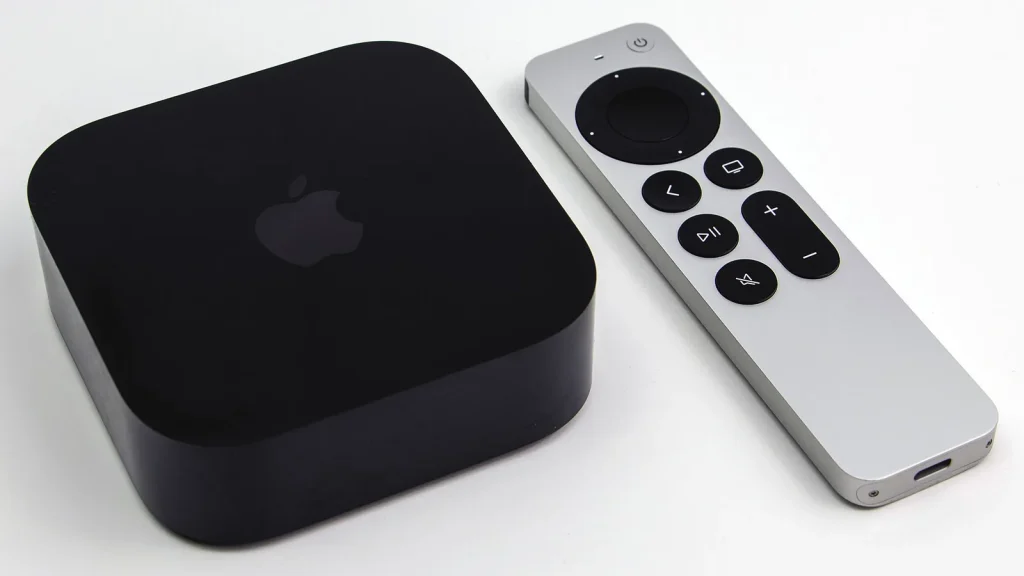
On the hardware side, Apple is rolling out faster processors and better wireless connectivity. The HomePod Mini 2 uses the new S10 chip and supports Wi‑Fi 6E and Bluetooth 6, which should cut latency when you’re juggling multiple devices. A new Apple TV 4K adds similar capabilities and can work with HomePod speakers for surround sound setups.
Apple Intelligence is the umbrella term for these smarter, context-aware features. It’s designed to use your device’s context to tailor responses. If your iPhone or iPad is connected, Siri AI can draw on that information to help you pick a show, find a title your family member recommended, or summarize what’s happening with compatible smart home cameras, all while you’re watching something else.
01
What it is
In simple terms, Siri AI is Apple’s upgraded voice assistant that aims to understand context better and perform more tasks across devices without you having to fetch your phone. It blends natural language capabilities with access to your messages, reminders, and home devices to offer more useful, timely help.
It runs on newer hardware like the HomePod Mini 2 and the updated Apple TV 4K, and it relies on Apple Intelligence to bring personal context into the conversation. Some capabilities arrive via software updates, meaning you don’t need a brand-new device to get smarter responses over time.
03
Why it’s in the news now
Apple is rolling out a broader Siri AI program across its living-room lineup. Details from announcements and press materials show a staged approach: the first wave focuses on the HomePod Mini 2, the new Apple TV 4K, and HomeView, a 7‑inch smart display that acts as a center for HomeKit and Matter devices. The plan includes a beta path to bring Siri AI to older Apple TV 4K boxes via tvOS 27.2, broadening who can try the tech without buying new hardware. The November 13 date is repeatedly cited for key hardware like the updated TV and HomeView in the US, with other regions following as regulatory and rollout schedules allow.
04
What it means for you
Most people will notice simpler, faster voice control for routine tasks, like turning lights on, finding a show, or checking a calendar, done hands-free even when something else is playing. If you already have a compatible Apple device, you’ll likely see improvements through software updates rather than buying new gear. The bigger picture is a more cohesive living-room experience where the TV, speakers, and home hub listen and respond in a more natural way.
Keep an eye on when your devices get tvOS 27.2 or HomeKit updates, and watch for signals that Siri AI features are active in your region. If you’re shopping for new gear, you’ll want to weigh whether the new hardware fits your home setup now or if you prefer to wait for broader feature parity and regional availability.
06
Quick answers
Is Siri AI only on the newest devices?
Early access is on newer devices like the HomePod Mini 2 and the updated Apple TV 4K, with a beta path planned to bring features to older Apple TV 4K models through tvOS 27.2.
Do I need new hardware to get Siri AI?
No, some features are coming to older devices via software updates, though access may vary by model.
When will I see these features in my home?
In the US, the latest hardware is expected to ship on November 13, with other regions following. Exact feature parity on older devices depends on software timing and regional rollouts.