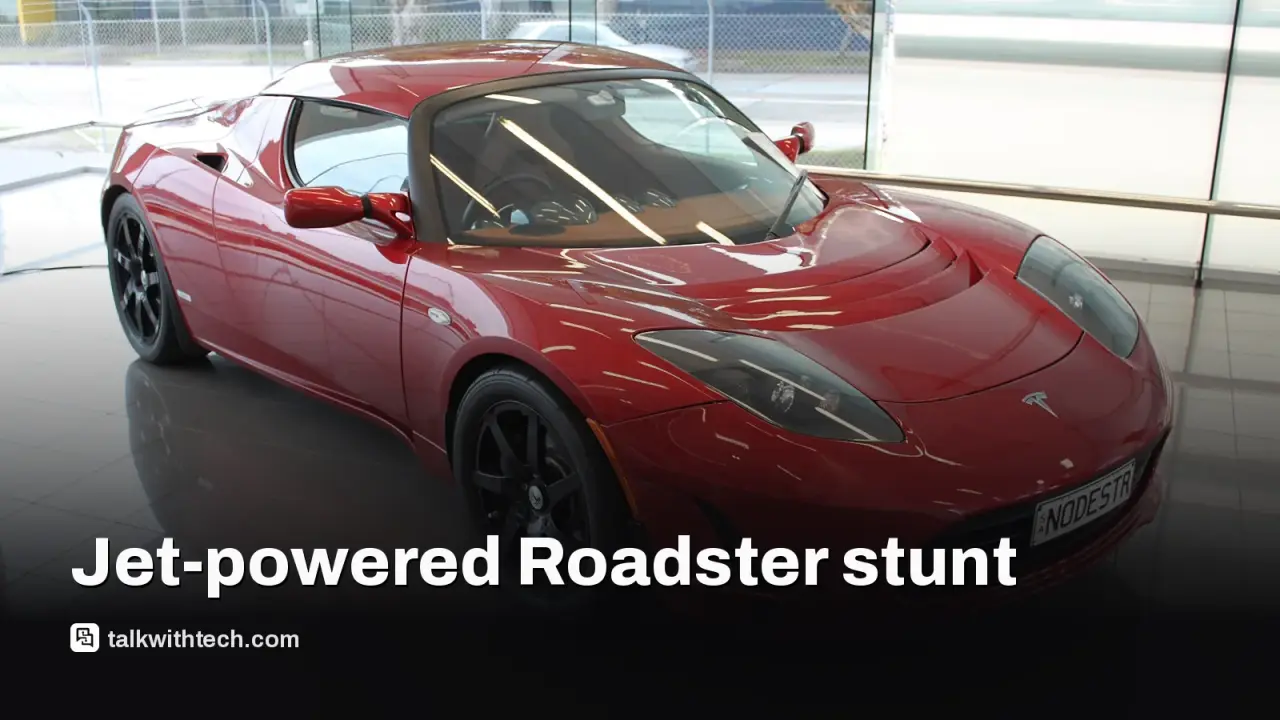
Tesla appears to revive the Roadster with a new stunt using old 50-year-old propulsion tech as a showpiece.
The plan centers on nitrogen jets at the rear to lift and perform aerial tricks rather than improving on-road performance.
Experts question legality and safety, and the company hasn’t confirmed a production timeline or vehicle specs.
If true, this stunt-heavy approach could boost attention but may not translate into real-world driving capabilities or affordable pricing for consumers.
Quick read · 1 min
Tesla seems to be reviving the Roadster with a stunt using nitrogen jets to lift the car. It’s described as a showpiece, not a practical road car so far.
What it means for you: more theater around the Roadster, but no confirmed specs, price, or delivery date for buyers yet. If you’re hoping for a cheaper, faster EV, this may be a distraction from real-world progress.
Showsmanship could boost attention
Unclear when (or if) it reaches customers
Safety and legality questions linger
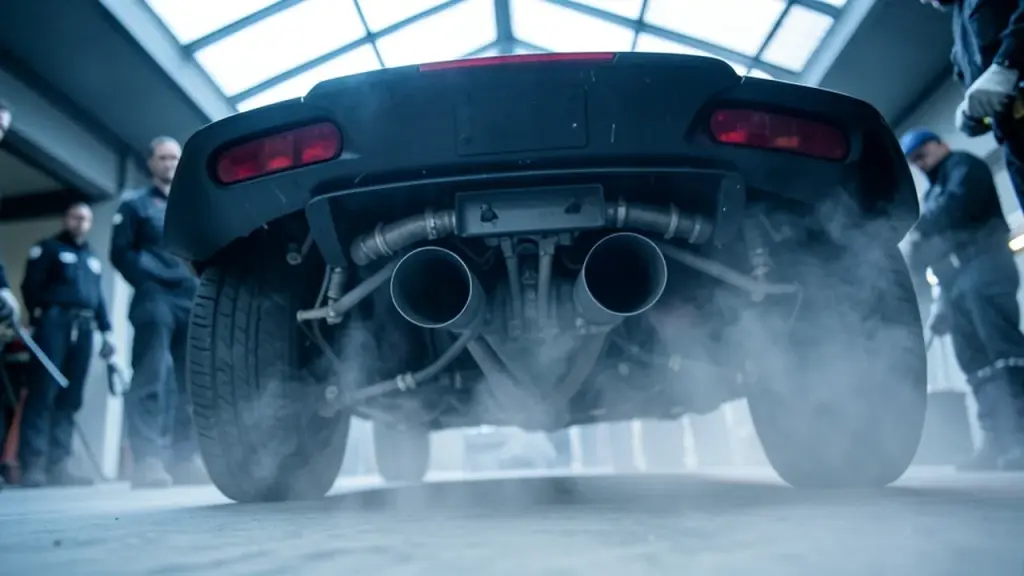
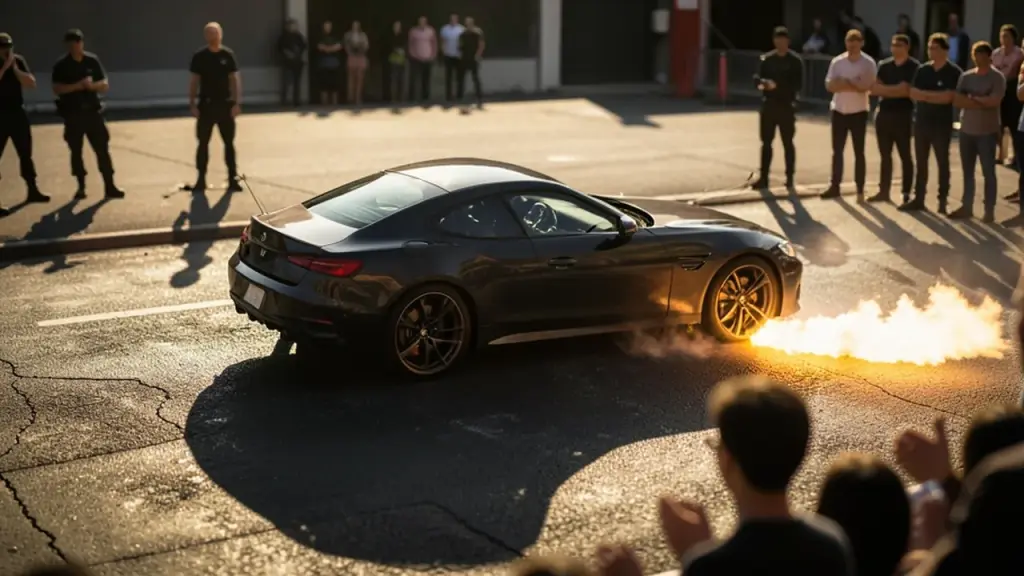
Tesla is reportedly reviving its Roadster campaign with a twist: the show car could use 50-year-old stunt technology to loft and perform aerial tricks. The dynamic, described as a nod to classic stunt science, relies on four large nitrogen jets placed at the car’s rear to create lift. It’s a bold turn for a company that’s spent years chasing practical EV feats, and it signals that the Roadster project remains as much about theater as it is about everyday driving.
Elon Musk’s company has teased dramatic demonstrations before, but this new approach leans heavily on stagecraft. The car would reportedly maintain rear-wheel drive, and it would use a bespoke battery chemistry intended for the model. Claims about top speed and acceleration have historically accompanied Roadster debuts, though it’s worth noting these are demonstrations rather than confirmed consumer specs.
01
Which tech is powering the stunt?
The core idea isn’t new. Jet-assisted gravity or nitrogen-jet lifts have appeared in motorsport and stunt theatre for decades. Tesla’s idea here is to apply it as a controlled show mechanism that can lift the car briefly and then settle back on the ground. There’s no word on how long the lift would last or what safety measures would be in place during a live display.
02
What this could mean for buyers
Right now, Tesla hasn’t published production plans, pricing, or release timelines tied to this stunt, and that matters. The Roadster project has a history of ambitious promises without a clear delivery date. For everyday buyers, this announcement could be more about brand intrigue than a direct path to a street-ready car in the near term.
03
What the skeptics are saying
Analysts and enthusiasts point out two big questions: legality and safety of using high-pressure jets around a car, especially in public demonstrations, and whether a show-stopper like this translates into real-world performance improvements. Some argue a theatrically impressive public stunt can boost visibility, but it’s not a substitute for meaningful range, speed, or price progress.
04
What happens next
Tesla would need to share official details on the stunt setup, safety protocols, and any vehicle changes that enable lift. Until then, the Roadster’s next appearance remains a spectacle rather than a confirmed product milestone.
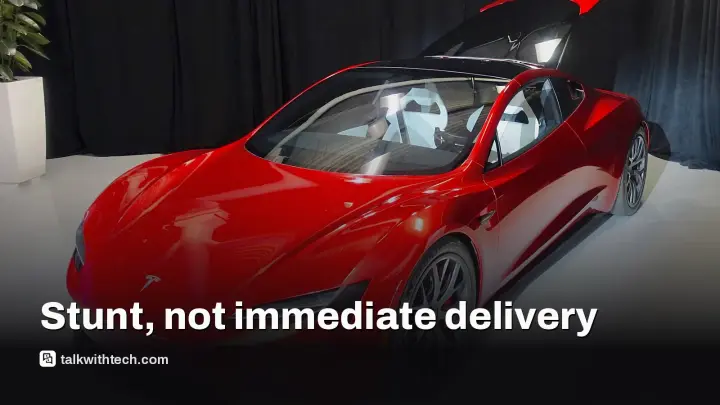
The second-generation Roadster dazzled with dramatic demos, but official details suggest a long, invitation-only path to production and uncertain timelines.
At its unveiling, Tesla showed the Roadster performing aerial-like tricks and a sub‑one‑second 0–60 run, while final price and timing remain under wraps.
3 min read
We use cookies to understand how readers use Talk With Tech, so we can make it better. Is that OK? Privacy policy
The Daily Brief
Today's biggest tech stories, in 5 minutes
Every morning, the news that matters from AI, phones, apps and the people shaping tech. Explained in plain English. Free.
One email a day. No spam, unsubscribe anytime. Privacy policy